

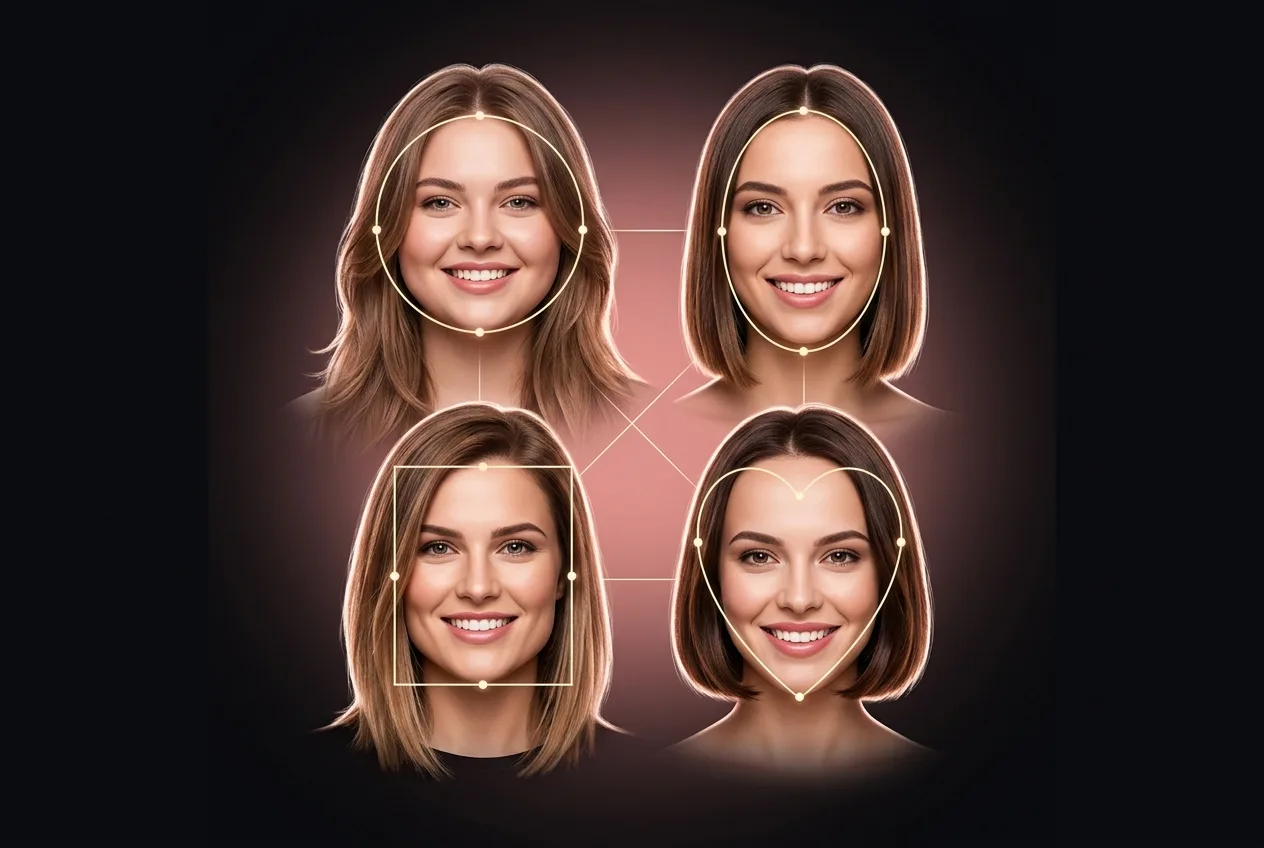
Best Haircut for Your Face Shape
The complete guide to finding the most flattering haircut for all 6 face shapes — with recommendations for both men and women.
Oval faces have balanced proportions where the face length is approximately 1.5 times the width. The forehead is slightly wider than the jawline, with gently rounded contours. This is widely considered the most versatile face shape for hairstyling.
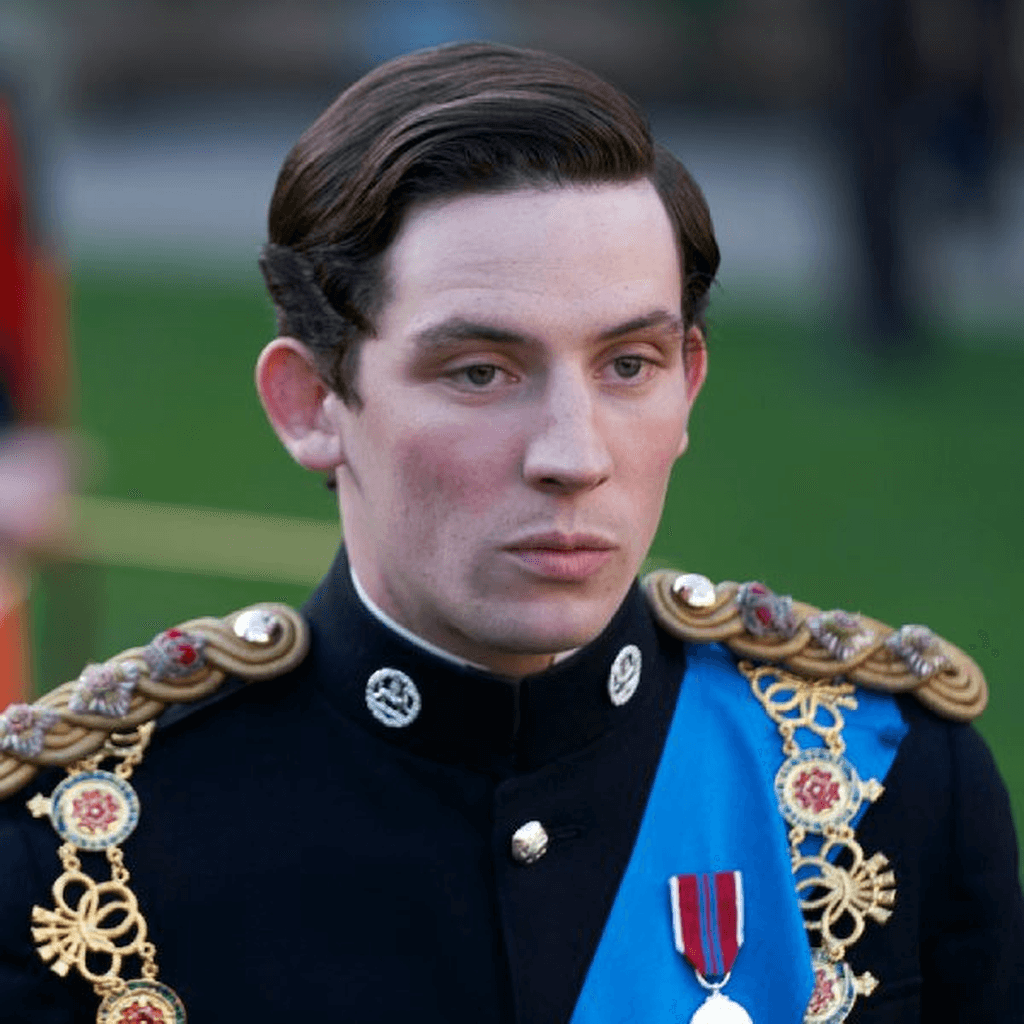
Best Men's Haircuts
Nearly any style works — quiffs, side parts, buzz cuts, textured crops, and longer flowing styles all complement oval proportions.
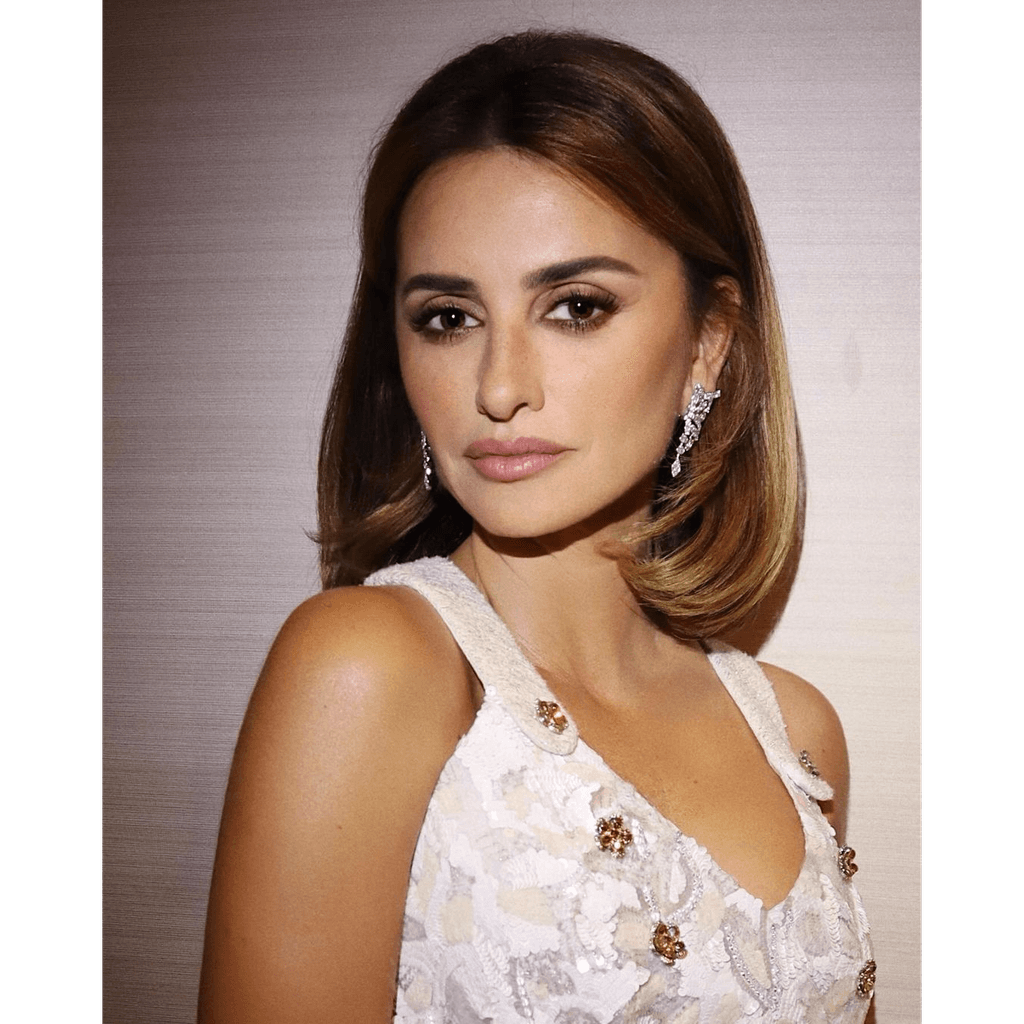
Best Women's Haircuts
Maximum versatility — bobs, long layers, pixie cuts, bangs, and center parts all work beautifully with oval faces.
Round faces have equal width and length with soft, curved jawlines and full cheeks. The goal when choosing a haircut is to add length and create angles that elongate the face visually.
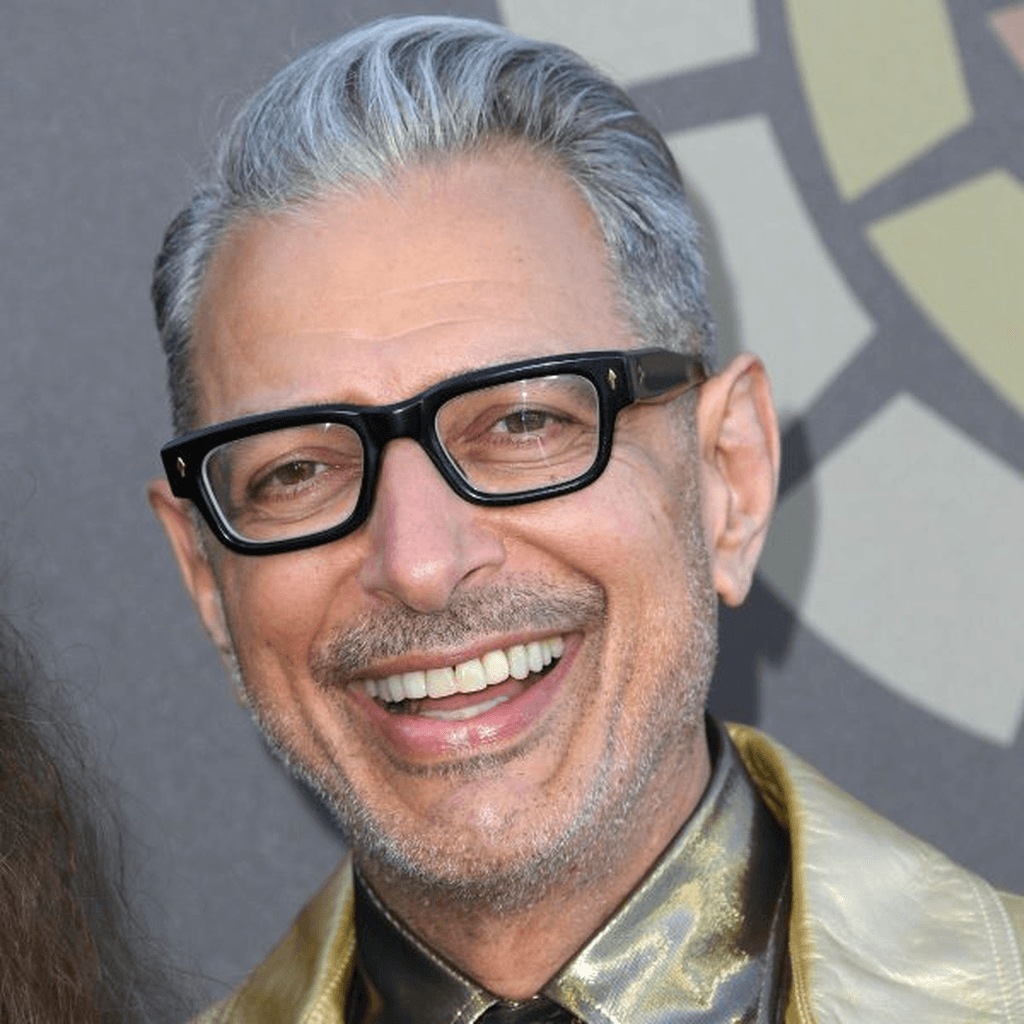
Best Men's Haircuts
Quiffs, pompadours, and high-volume cuts add vertical height. Medium fades and side parts create angular contrast. Avoid very short, rounded cuts that emphasize face shape.
Best Women's Haircuts
Face-framing layers, side-swept bangs, and long layered cuts add length. Asymmetrical bobs and deep side parts create angles. Avoid chin-length blunt cuts that widen the face.
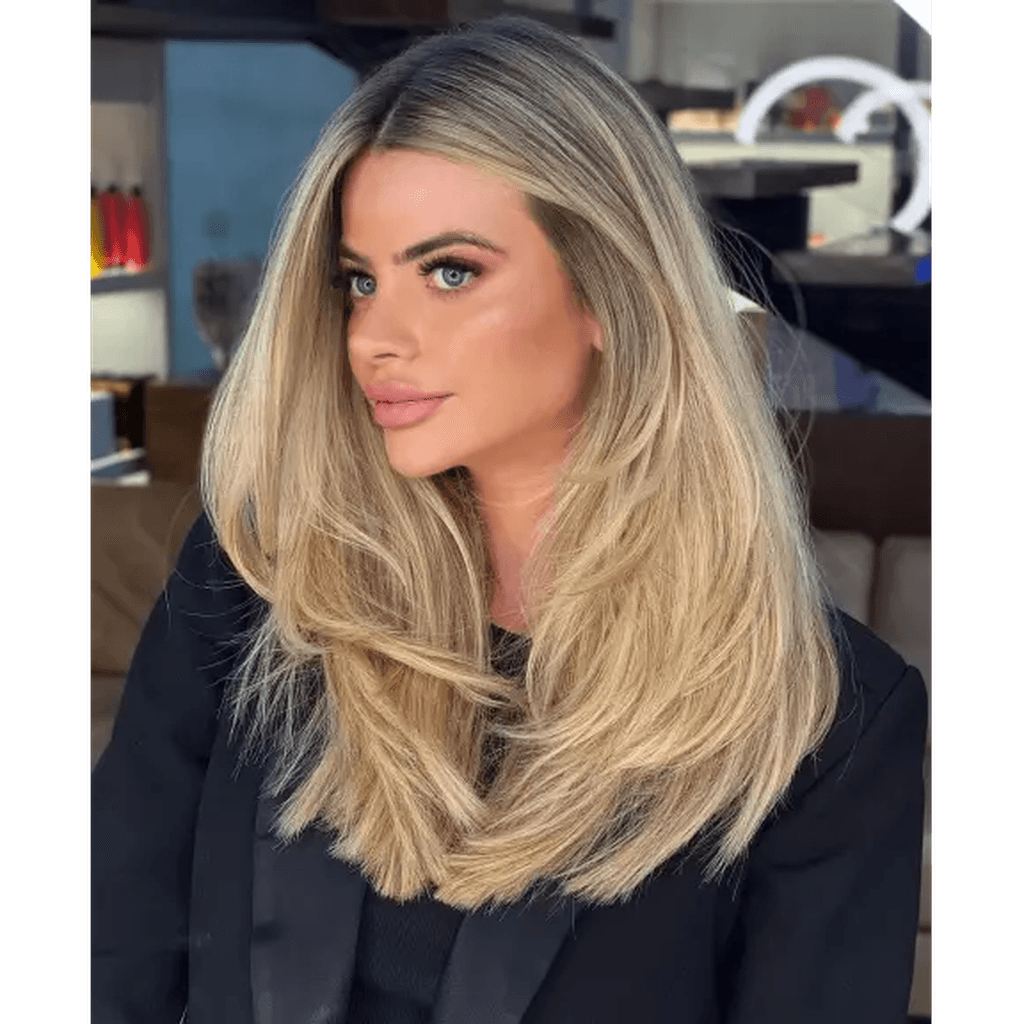
Square faces feature a strong, angular jawline with a forehead and jaw of similar width. The face appears equally wide and long. Hairstyles that soften angular features while maintaining structure work best.
Best Men's Haircuts
Textured, wavy cuts and medium-length styles add movement and soften angles. Grown-out styles and center parts complement the strong jawline. Avoid very tight, angular cuts.
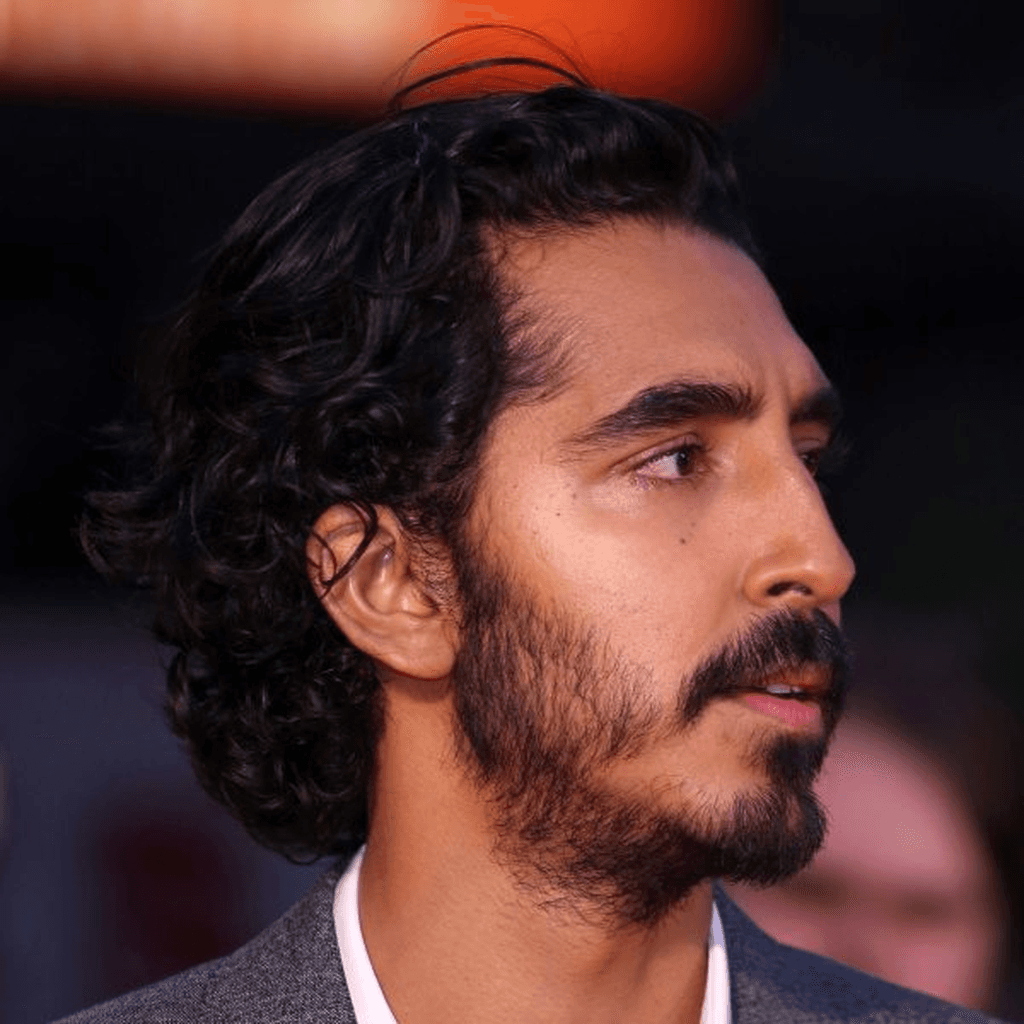
Best Women's Haircuts
Soft waves, side-swept styles, and wispy bangs soften the jawline. Layered cuts with movement and chin-length or longer styles work well. Avoid blunt, geometric cuts.

Heart-shaped faces feature a wider forehead that tapers to a narrower chin, sometimes with a widow's peak. The ideal hairstyle adds volume at the chin level to balance the wider forehead.
Best Men's Haircuts
Side-parted styles, textured mop tops, and medium-length cuts with fringe balance the forehead. Avoid slicked-back styles that emphasize forehead width.
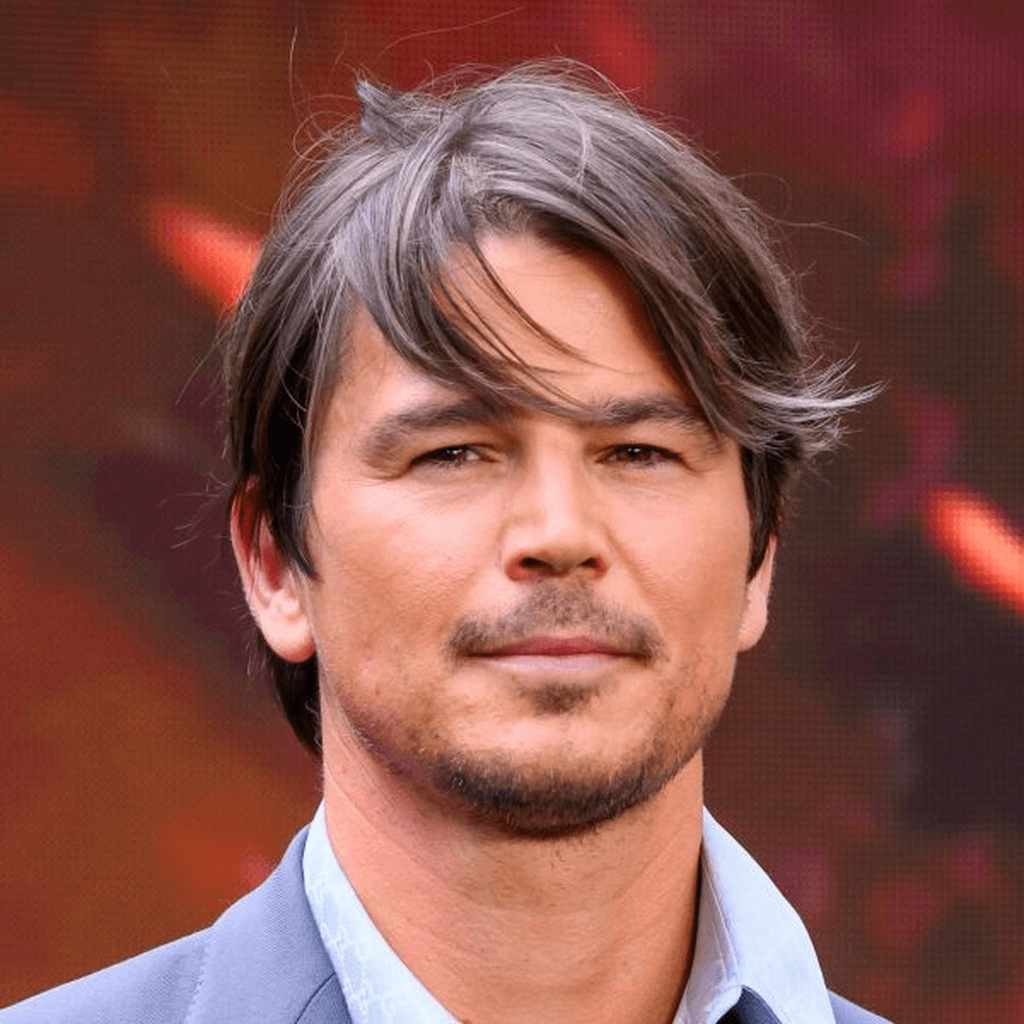
Best Women's Haircuts
Chin-length bobs, side parts, and textured ends add width at the jaw. Curtain bangs and side-swept bangs help balance the forehead. Avoid heavy volume on top.
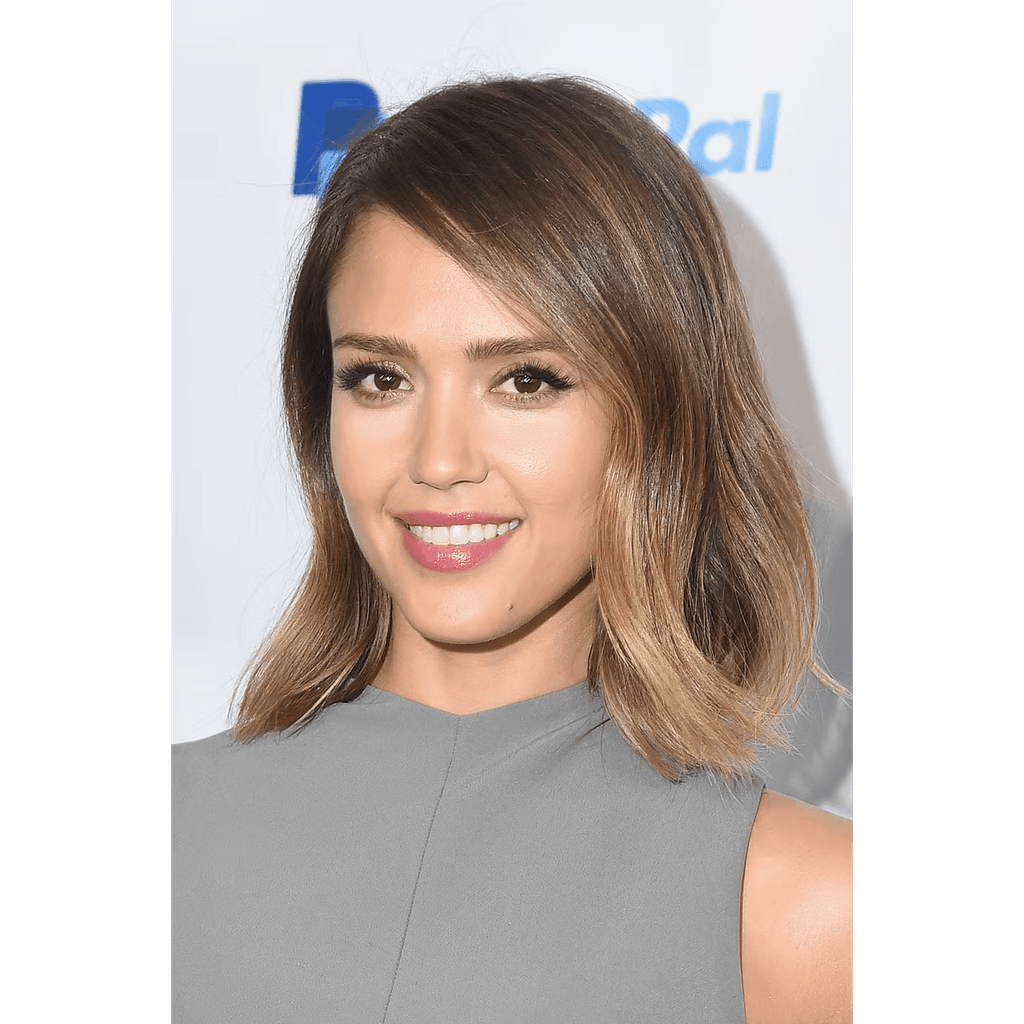
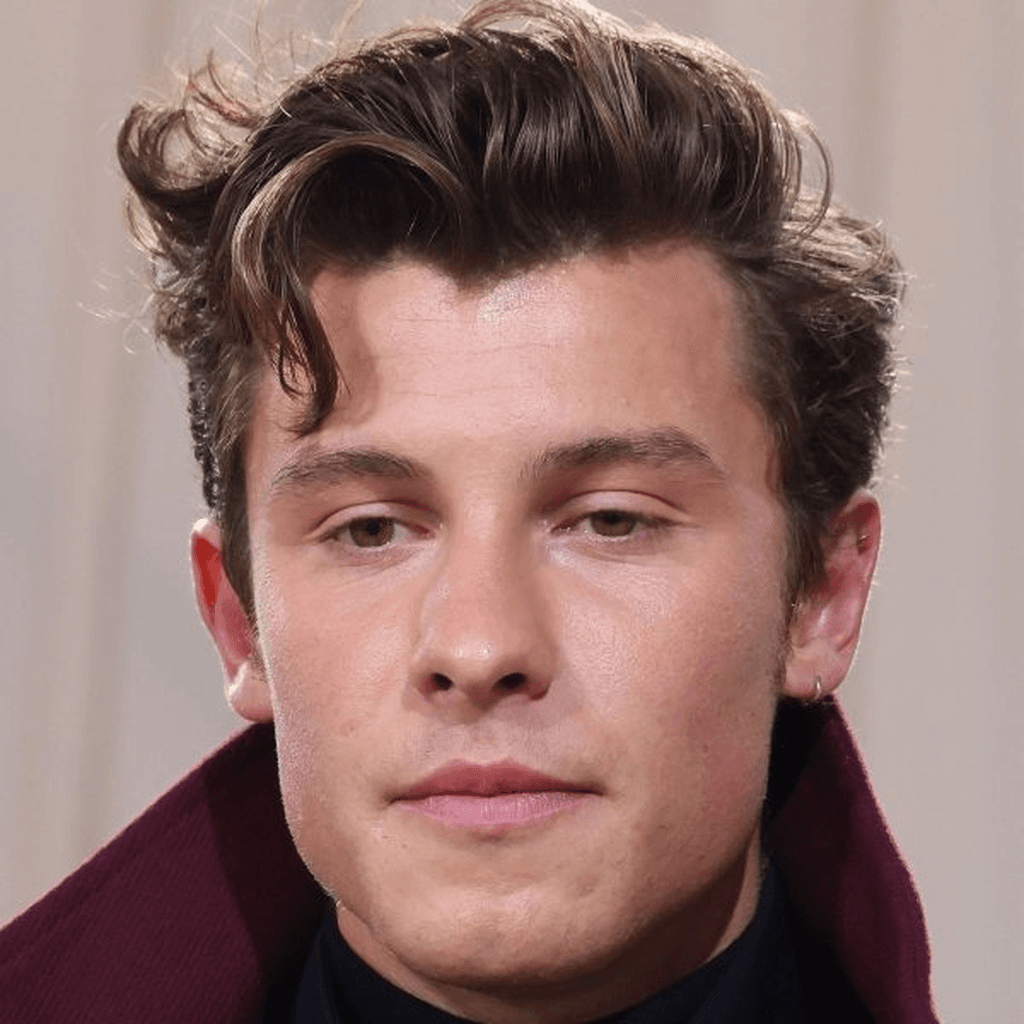
Diamond faces are characterized by narrow forehead and chin with wider, prominent cheekbones. This is the rarest face shape. Hairstyles that add width at the forehead and chin create visual balance.
Best Men's Haircuts
Quiffs, fringes, and fuller styles add width where needed. Textured cuts with volume on top balance the cheekbones. Side-swept styles work well.
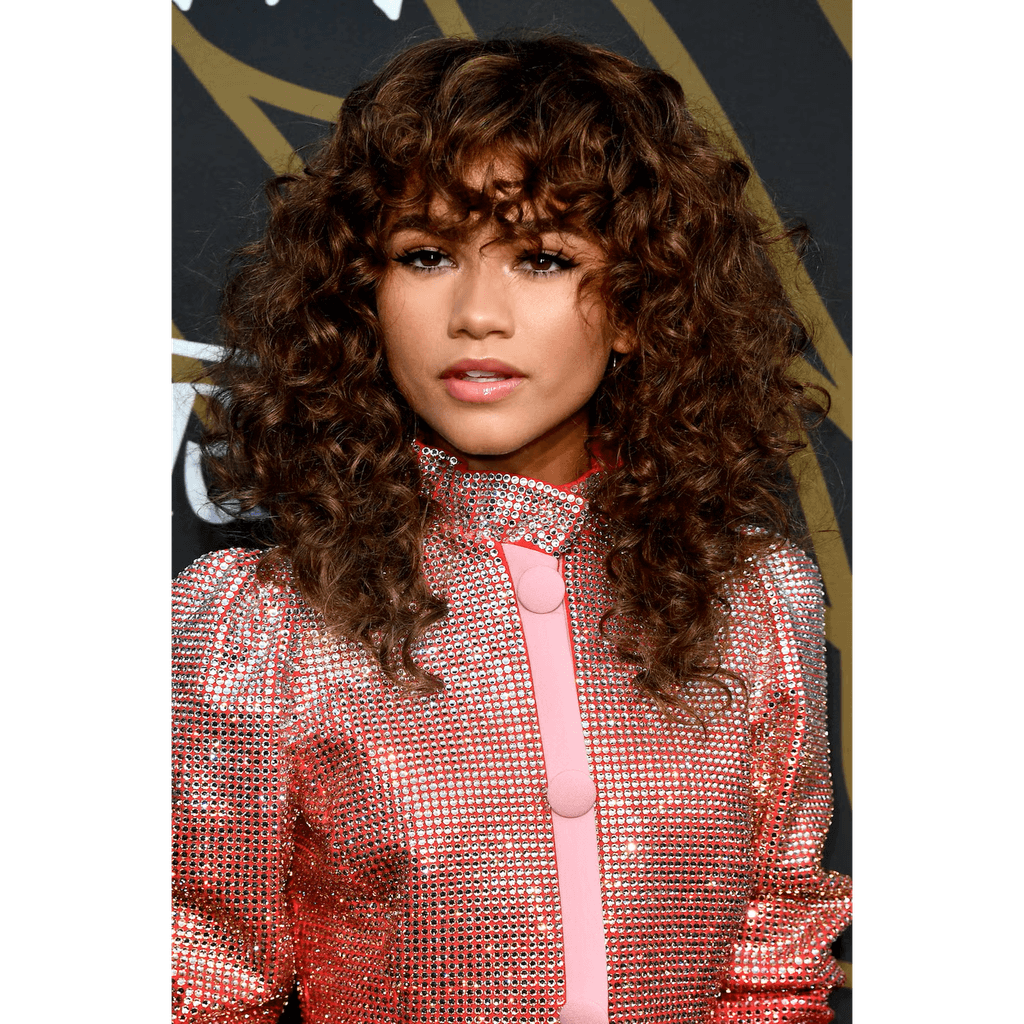
Best Women's Haircuts
Wispy bangs add width at the forehead, while chin-length cuts balance below. Soft curls and feathered layers complement the angular cheekbone structure.
Oblong or long faces have a face length significantly greater than width, with a narrow jawline and high forehead. The goal is to add width and reduce the appearance of length.
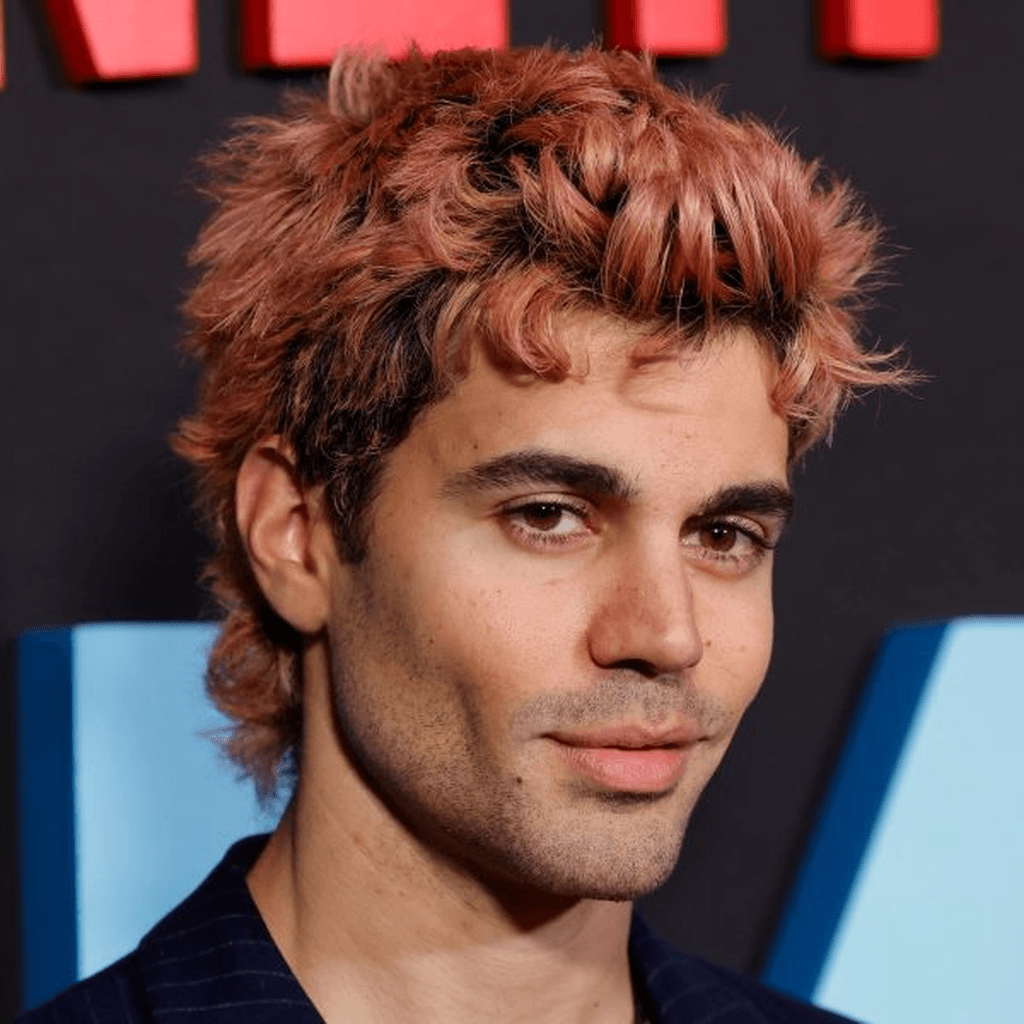
Best Men's Haircuts
Side-swept bangs, textured fringes, and mullets add width. Avoid excessive height on top. Styles with volume on the sides create balance.
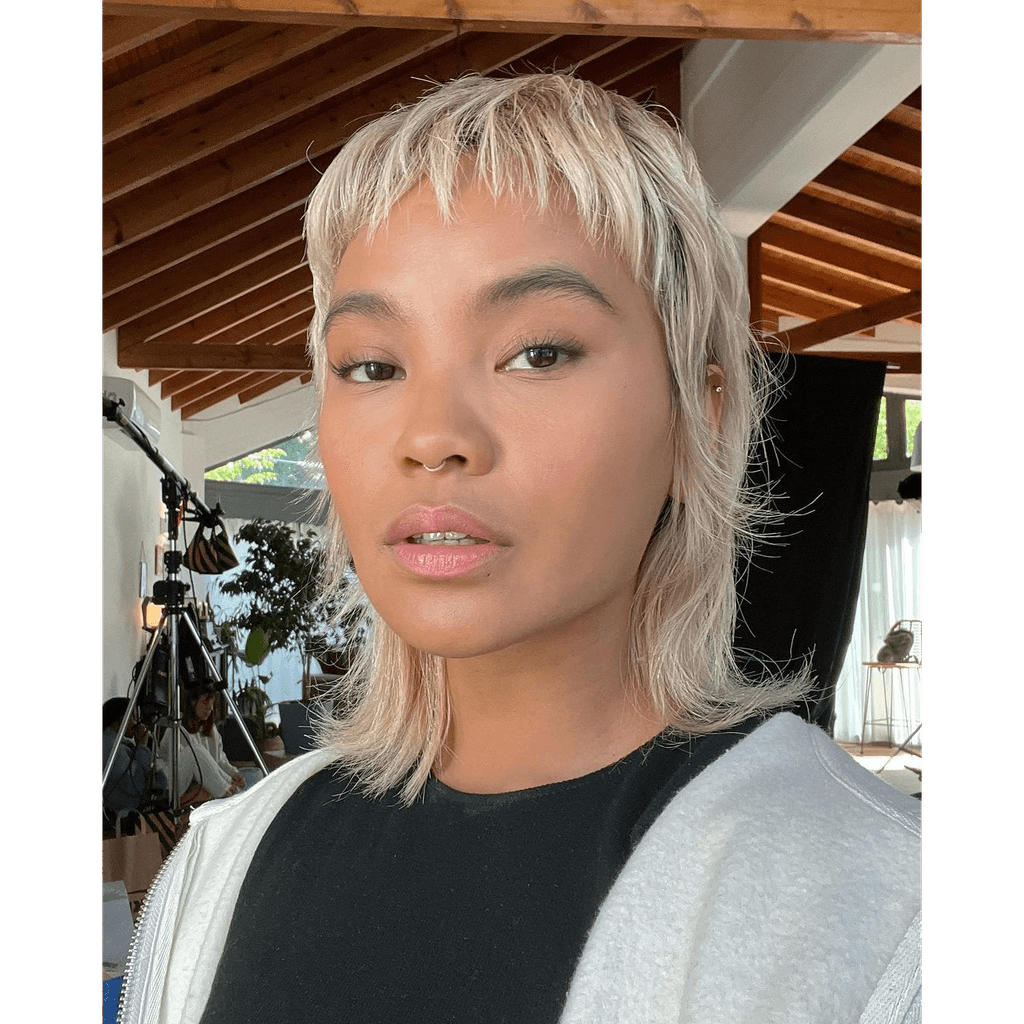
Best Women's Haircuts
Blunt cuts, waves, and horizontal layers add width. Side-swept bangs reduce forehead length. Avoid long, straight hair that elongates further.
Not Sure What Your Face Shape Is?
Skip the guesswork. Upload a selfie and our AI analyzes 68 facial data points to determine your exact face shape and recommend the 4 most flattering hairstyles — in under 10 seconds.
Frequently Asked Questions
How do I determine my face shape?
You can determine your face shape by measuring 4 key dimensions: forehead width, cheekbone width, jawline width, and face length (hairline to chin). Compare these measurements: if your face is longest, it's oblong; if all measurements are similar with a soft jaw, it's round; if forehead and jaw are equal with angular jaw, it's square. For instant results, use HaircutAI's free AI tool — it analyzes 68 facial landmarks and classifies your face shape in under 10 seconds.
Which face shape is the most common?
Oval is the most common face shape, found in approximately 25% of people. Round faces account for about 20%, while square, heart, and oblong each represent roughly 15%. Diamond is the rarest at approximately 10% of people.
Can my face shape change over time?
Yes, face shape can change slightly due to aging, weight fluctuations, and bone density changes. As we age, we lose volume in the cheeks and temples, which can shift the perceived face shape. This is why periodically reassessing your face shape — especially before a major haircut change — is a good practice.
Does face shape matter more than hair texture for choosing a haircut?
Both matter, but face shape typically determines the overall silhouette and length that flatter you, while hair texture determines which specific styles are practical to maintain. A skilled stylist — or AI tool — considers both factors. For example, a round face benefits from volume on top regardless of texture, but the specific style (quiff for straight hair, defined curls for curly hair) depends on your natural texture.
Sources
- American Academy of Dermatology — aad.org — Face shape classification and grooming guidelines
- Face shape prevalence data based on anthropometric research and professional stylist consensus
Find Your Perfect Haircut Today
Join 10,000+ people who found their ideal hairstyle using our free AI face shape analysis.