


Best Hairstyles for a Wide Forehead
The best hairstyles for a wide forehead use side parts, face-framing layers, and diagonal lines to visually narrow the brow area. Unlike a tall forehead where bangs provide coverage, a wide forehead benefits from techniques that break horizontal symmetry. We scored 182+ styles: 50 excel at narrowing the forehead — 48 women's cuts and 2 men's cuts.
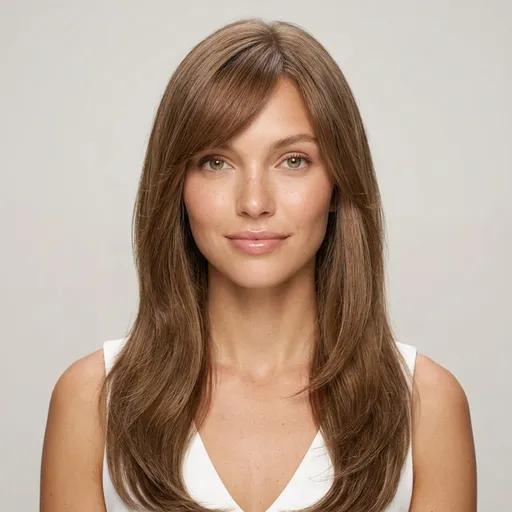
Women's Pick
Side-Swept Bangs
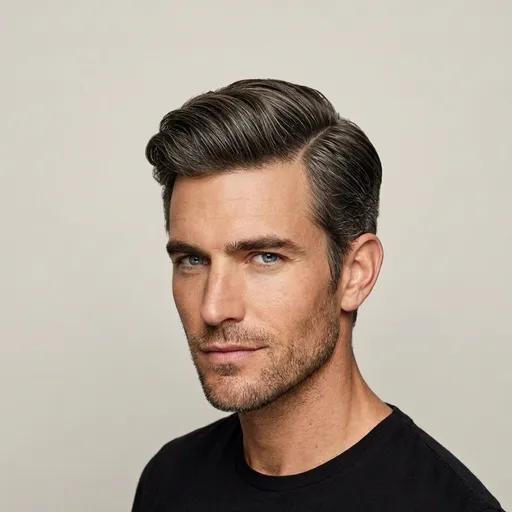
Men's Pick
Classic Side Part
Wide vs. Tall: Why It Matters
A wide forehead is a horizontal proportion issue — the forehead is broader than the jawline, creating a top-heavy silhouette. A tall (or big) forehead is a vertical issue — it takes up too much of the face's height. These are different problems that call for different solutions.
If your forehead feels both broad and tall, check our big forehead guide for bangs and fringe options that address vertical coverage. For a purely wide forehead, the strategy is different: create diagonal lines, add width at the jaw, and use asymmetry to break horizontal symmetry.
42
Vertical framing
Styles with face-framing that create vertical lines narrowing the forehead from below.
25
Diagonal lines
Side-parted styles that break horizontal width with a strong diagonal across the brow.
22
Downward movement
Layered styles that draw the eye downward through the hair, away from forehead width.
3 Techniques Stylists Use
These are the primary tools professional stylists reach for when working with a wide forehead.
Side Parts
A deep side part creates a diagonal line across the forehead that visually breaks its width. The part redirects the eye diagonally rather than horizontally, making the forehead read as narrower. The stronger and deeper the part, the more pronounced the narrowing effect.
Face-Framing Layers
Vertical lines on both sides of the face — from cheekbone down — narrow the perceived forehead width from below. Face-framing layers work by drawing the eye down and inward, reducing how wide the top of the face appears by comparison.
Jaw-Level Volume
Adding fullness at the jawline — through waves, curls, or flipped ends — creates an inverted triangle silhouette. When the jaw looks fuller, the forehead looks proportionally narrower by comparison. This is the same optical principle used in fashion with wide-leg trousers: volume below makes the top appear smaller.
Top Picks at a Glance
Our 8 highest-scored styles for creating visual narrowing at the forehead.
| Style | Why It Works |
|---|---|
| Shaggy Bob | Narrows with framing, diagonal line, heavy layers, partial coverage, soft angles |
| Side-Swept Bangs | Narrows with framing, diagonal line, light layers, partial coverage, soft angles |
| Voluminous Blowout | Narrows with framing, diagonal line, medium layers, vertical emphasis, soft angles |
| French Bob | Narrows with framing, diagonal line, partial coverage, soft angles |
| Layered Bob | Narrows with framing, diagonal line, heavy layers, soft angles |
| Bixie | Narrows with framing, diagonal line, heavy layers, soft angles |
| Ivy League | Diagonal line, vertical emphasis |
| Classic Side Part | Diagonal line, vertical emphasis |

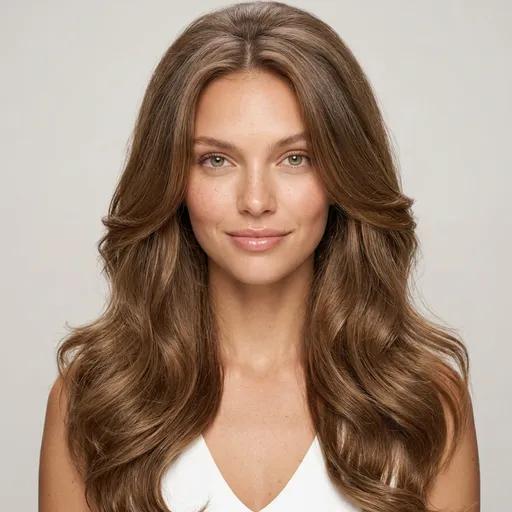


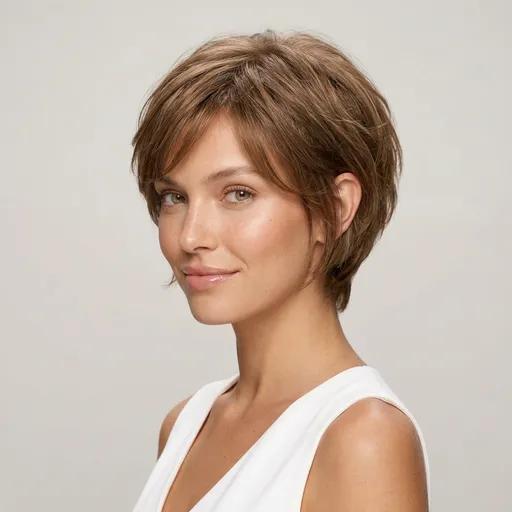
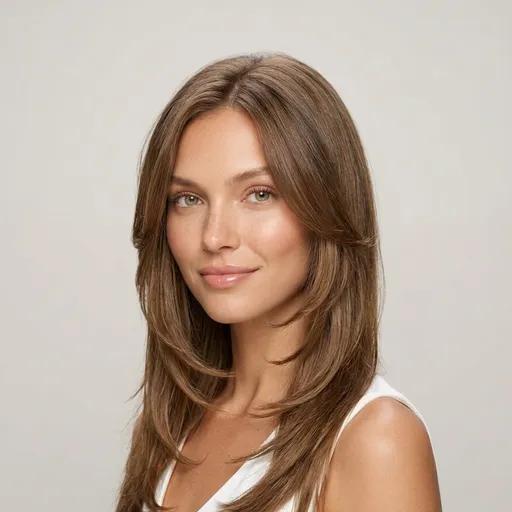
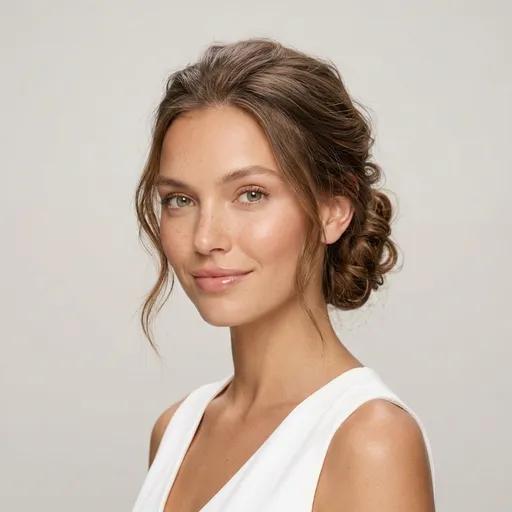
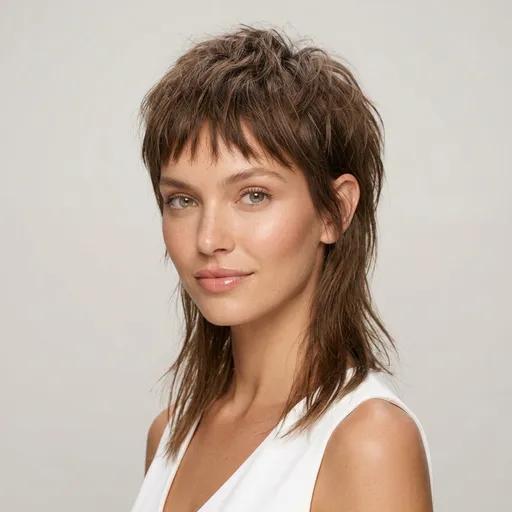
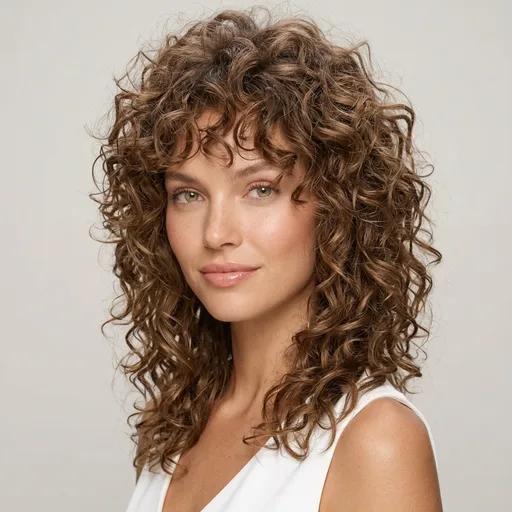
Women's Hairstyles for a Wide Forehead
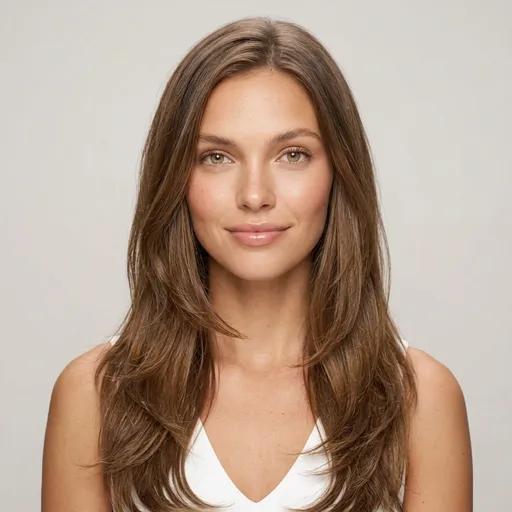
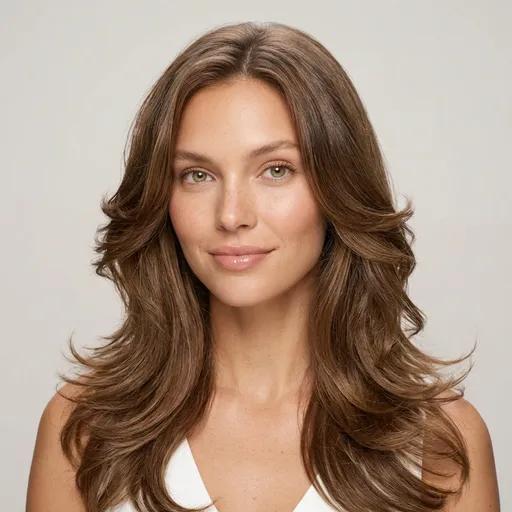
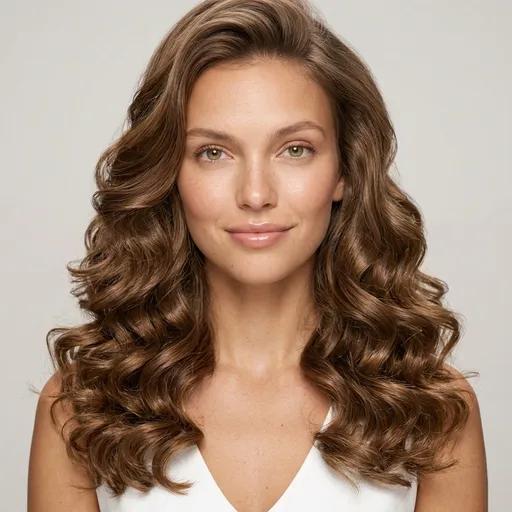
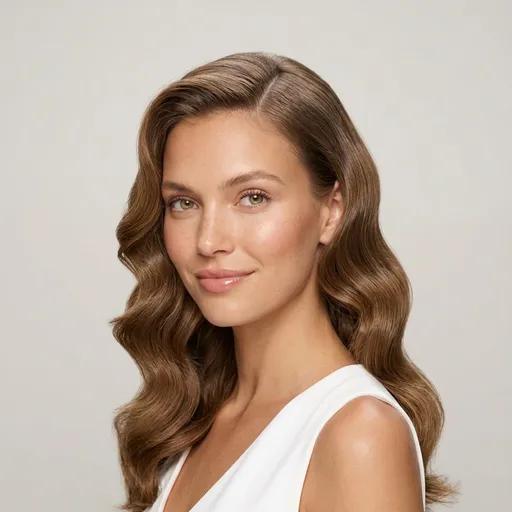
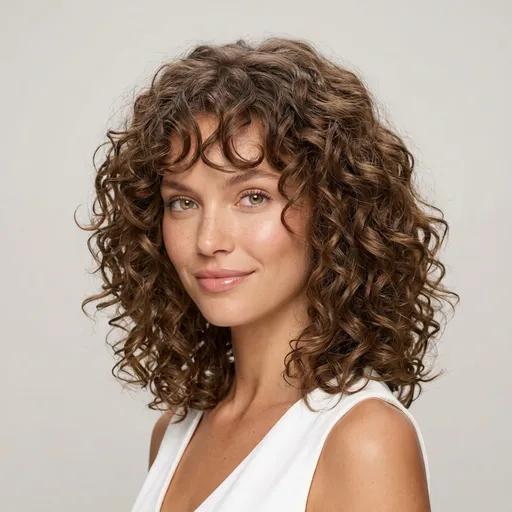
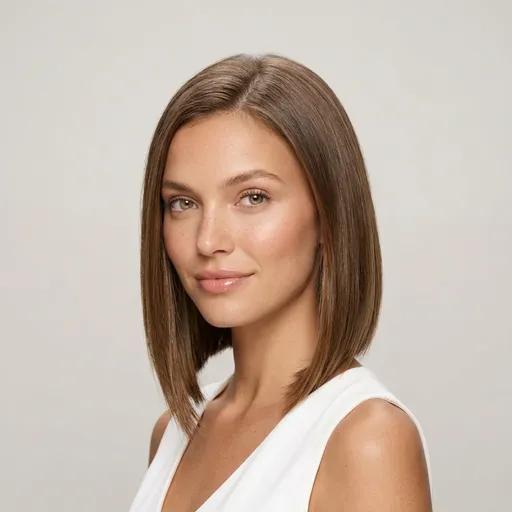
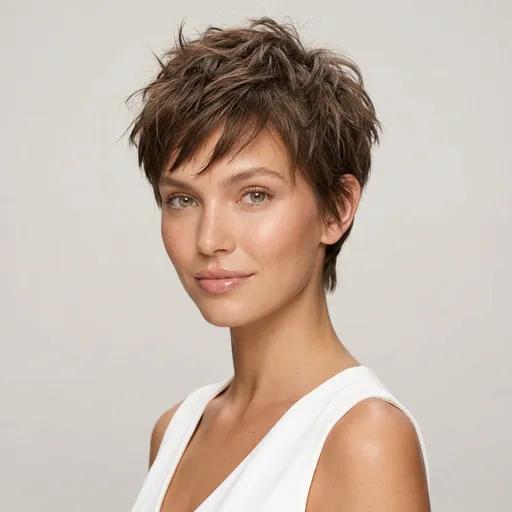
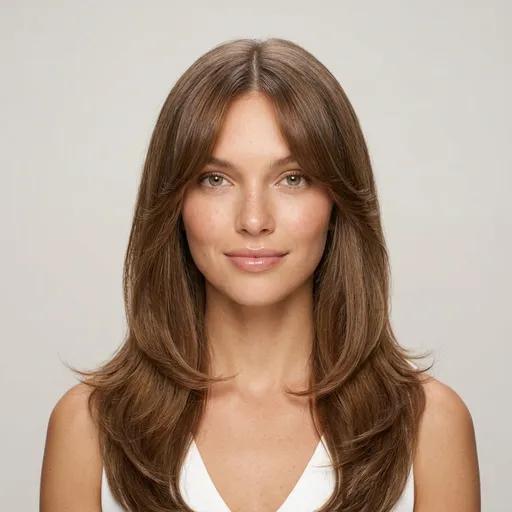
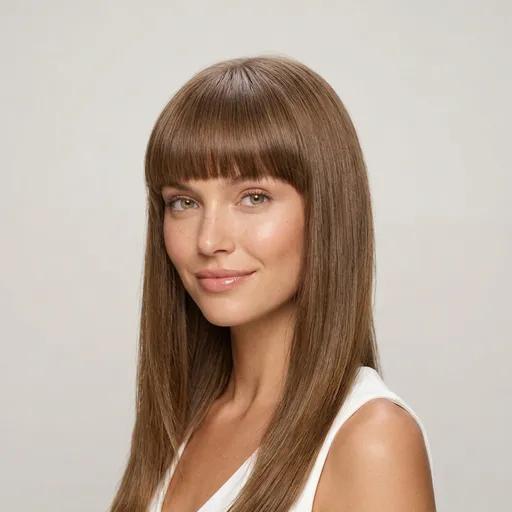
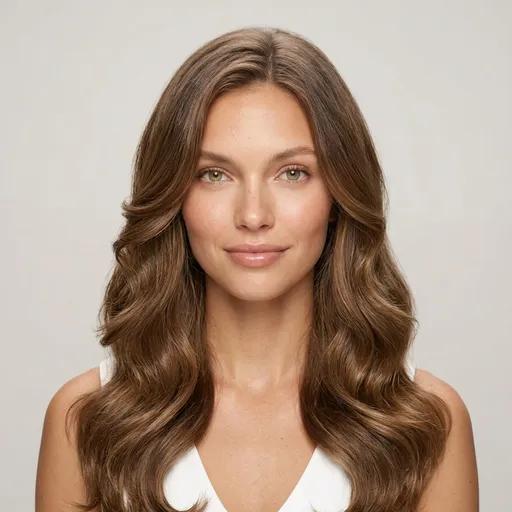
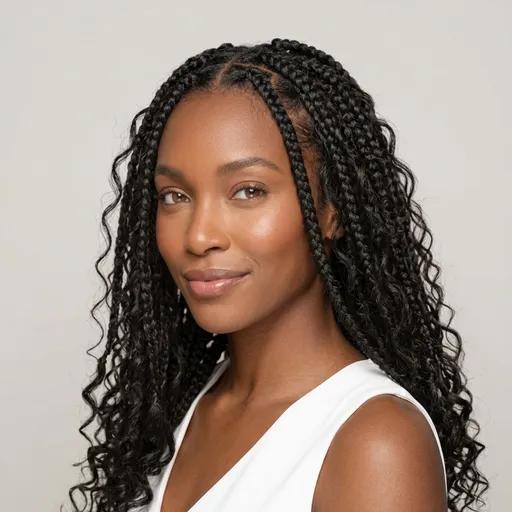
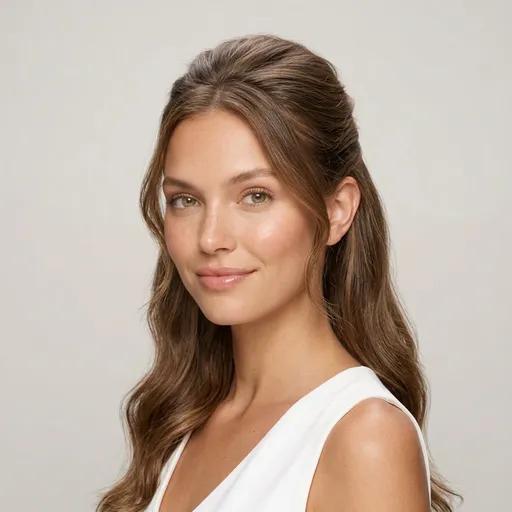
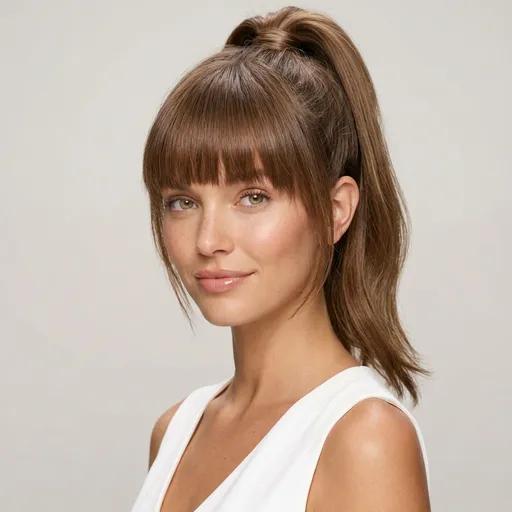
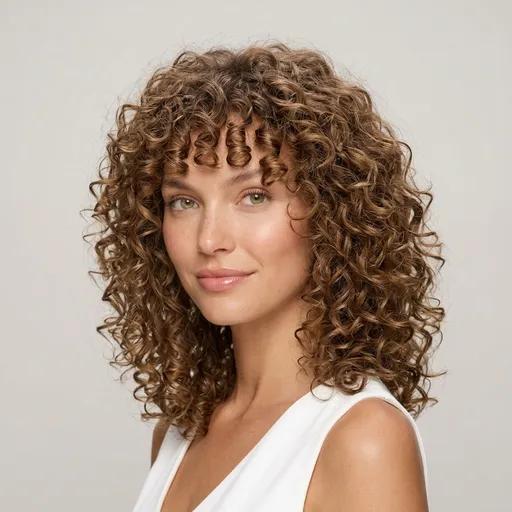
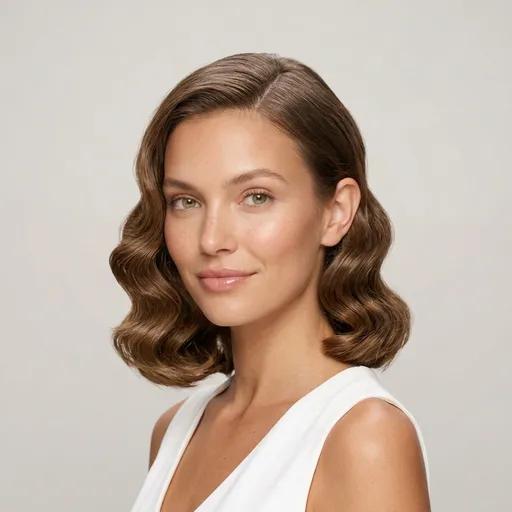
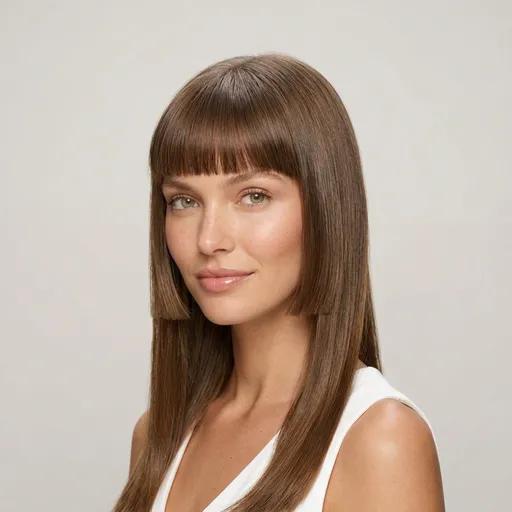
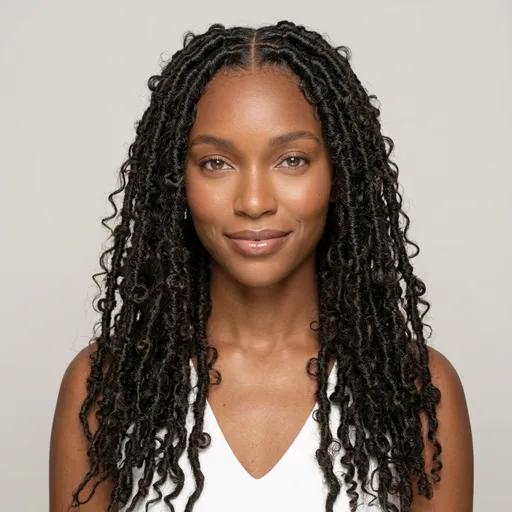
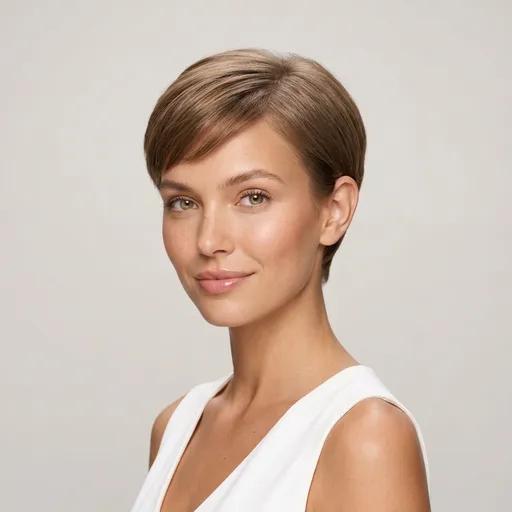
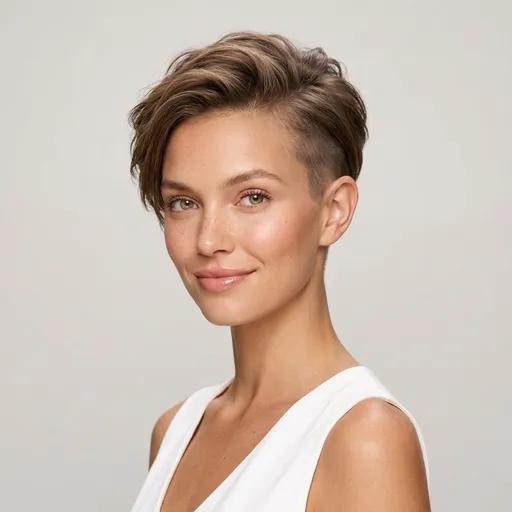
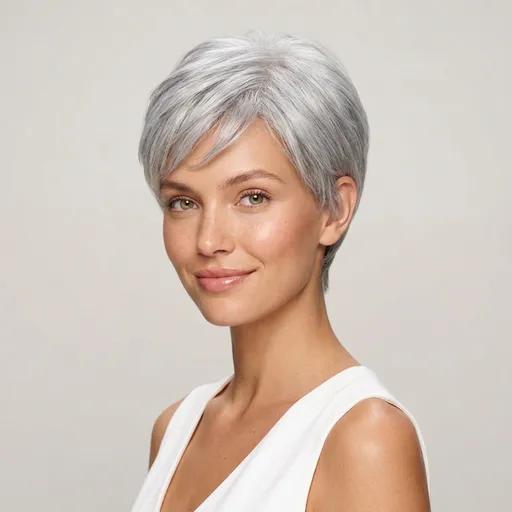
48 women's styles scored for forehead-narrowing effects through face framing, side parts, and diagonal silhouettes. 42 feature face-framing layers for vertical narrowing.



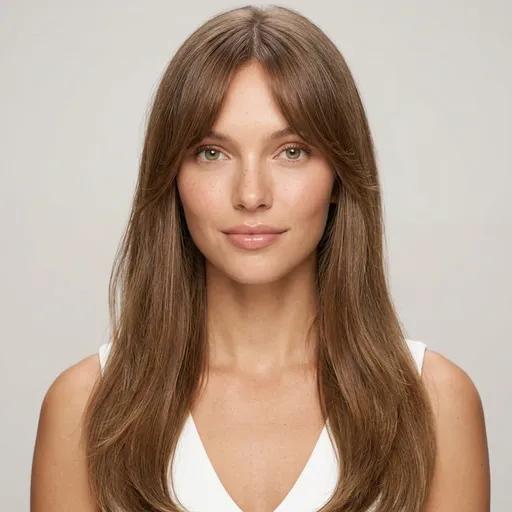

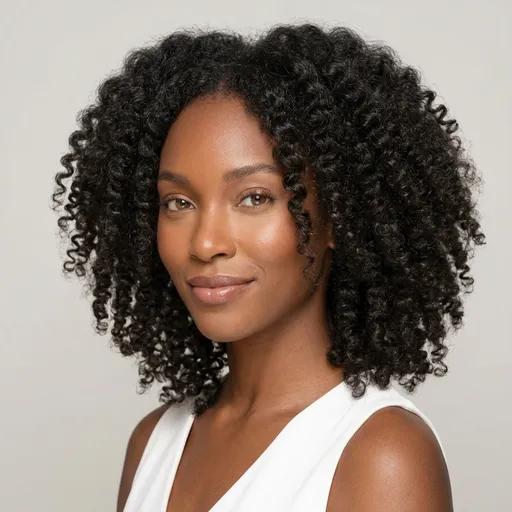
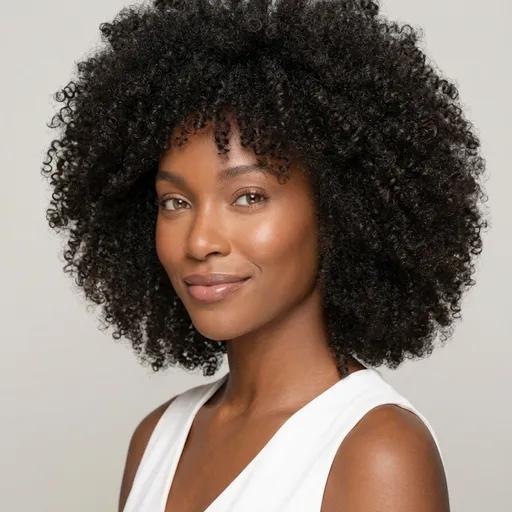
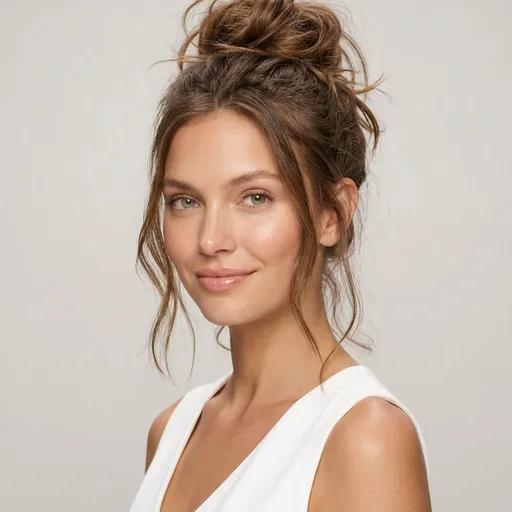
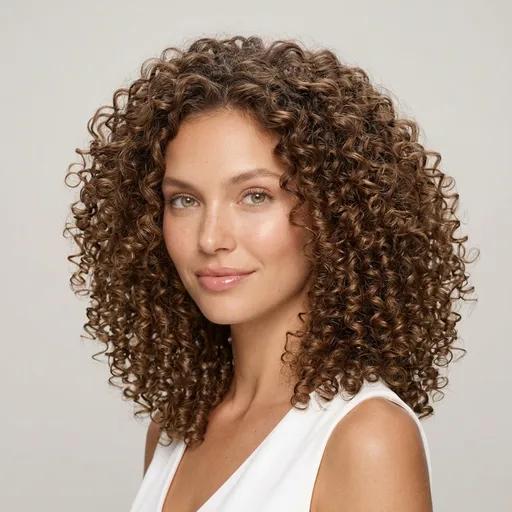

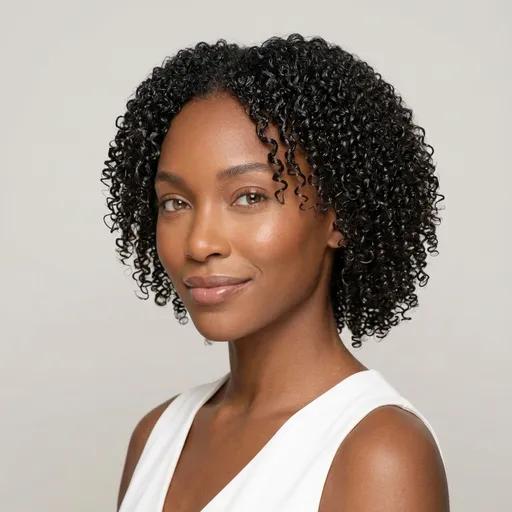
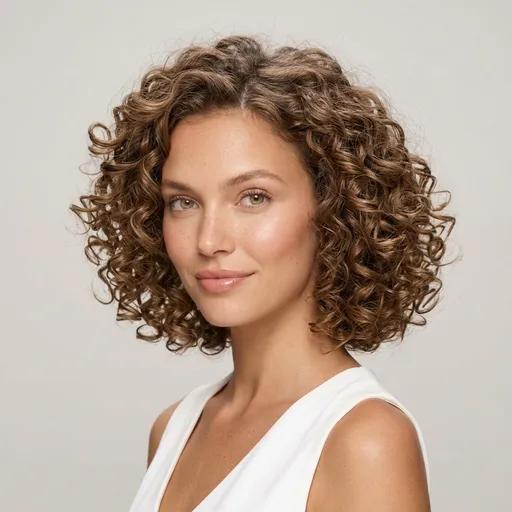


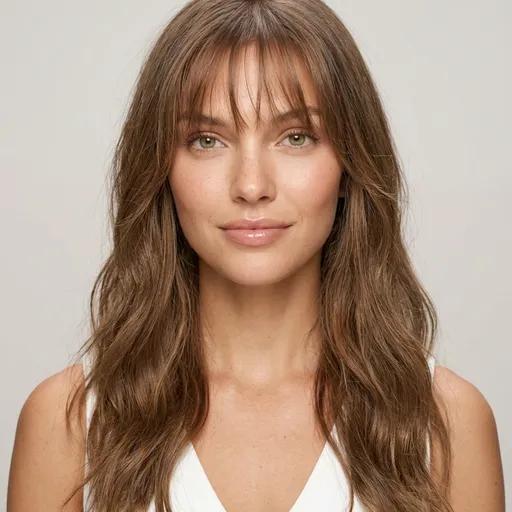

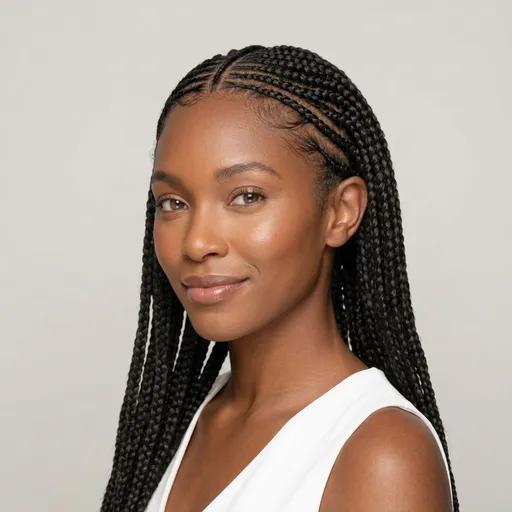

See How These Styles Look on You
Upload your photo and our AI shows you a photorealistic preview of any hairstyle — compare side parts, face-framing cuts, and jaw-level volume side by side on your actual face.
Men's Haircuts for a Wide Forehead
2 men's cuts that use side parts, face-framing texture, and diagonal lines to balance forehead width. Average upkeep: a trim every 6 weeks.
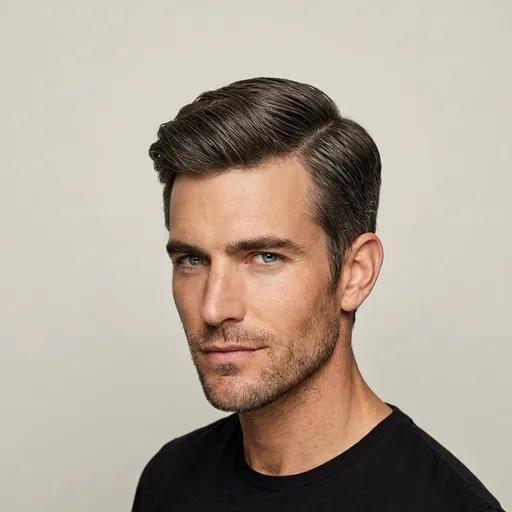
Styles That Can Emphasize a Wide Forehead
These styles tend to reinforce horizontal breadth at the brow area — not off-limits, but worth understanding the trade-offs before committing.
Straight-back headbands and accessories that expose the full forehead
Pulling all hair away from the face with a headband puts the full width of the forehead on display with no visual interruption. If you love accessories, try a half-up style that keeps some face-framing pieces out.
Slicked-back styles with no volume at the sides
Styles that lie flat against the head with no side texture remove any opportunity to create narrowing diagonal lines. The result is a clean, unbroken horizontal forehead that reads as wider than it is.
Very wide, voluminous styles at temple height
Volume placed at the temples adds width exactly where you already have it. Styles like wide-set updos, full buns level with the temples, or very rounded blow-outs can increase perceived forehead breadth rather than reducing it.
Center parts on straight hair
A clean center part on straight, flat hair creates a perfectly symmetrical frame that highlights horizontal breadth. The symmetry draws the eye across. Side parts or asymmetric styles are more flattering for wide foreheads.
Short, cropped sides with a long top (undercuts)
Undercut-style cuts narrow the head below the temples and leave full width at the top. This creates the opposite of what a wide forehead needs — it narrows below and widens above, emphasizing the brow area.
Styling Tips for a Wide Forehead
The deeper the side part, the stronger the narrowing diagonal. Experiment with parts at different depths — even shifting a half-inch further from center makes a visible difference.
Face-framing layers that start at the cheekbone create vertical lines that visually shrink forehead width from below. 42 of our 50 recommended styles feature this placement.
If you want bangs, choose curtain or side-swept over blunt. Blunt bangs create a strong horizontal line that emphasizes breadth. Curtain bangs create a V-shape — inherently a narrowing silhouette.
Add volume at the jaw: waves, curls, or flipped ends at jawline level balance the width at the top. When the jaw looks fuller, the forehead reads proportionally narrower by comparison.
For men, a classic side part with a textured top is the most reliable narrowing technique. The part creates the diagonal; the texture keeps the top from lying flat and adding width. 18 of our picks add vertical emphasis through height.
20 of our 50 recommended styles are low-maintenance. Great forehead balance doesn't require a high-effort cut.
Try These 50 Styles on Your Photo
Join 50,000+ people who found their perfect hairstyle with AI. Upload a selfie and see a realistic preview — no salon visit needed.
Frequently Asked Questions
What is the difference between a wide forehead and a big forehead?
A wide forehead is a horizontal proportion issue — the forehead is broader than the jawline, creating a top-heavy silhouette. A big (or tall) forehead is a vertical issue — it occupies too much of the face's height. They require different solutions: wide foreheads benefit from side parts, face-framing, and diagonal lines; tall foreheads benefit from bangs and fringe that cover vertical length.
Does a side part help narrow a wide forehead?
Yes — a deep side part is one of the most effective tools for a wide forehead. It creates a diagonal line across the brow area that breaks the horizontal symmetry and visually narrows the perceived width. The deeper the part, the stronger the narrowing effect. This works across all hair lengths and textures.
Are curtain bangs good for a wide forehead?
Yes, but for different reasons than with a tall forehead. Curtain bangs create a V or inverted triangle shape at the forehead, which is inherently a narrowing silhouette. Blunt bangs are generally worse for a wide forehead because they add another horizontal line that emphasizes breadth. If you want bangs, choose curtain, side-swept, or wispy over straight-across blunt.
What men's haircuts narrow a wide forehead?
The classic side part with a textured top is the most reliable choice — the side part creates a diagonal while the texture draws the eye upward rather than across. Medium-length cuts that fall with some movement over the forehead sides also work well. Avoid styles that expose the temples fully or add width at temple height, such as very high fades with no top texture.
Should I avoid center parts with a wide forehead?
Generally yes — a center part on straight hair creates a symmetrical frame that emphasizes the horizontal breadth of the forehead. It draws the eye across rather than down. A deep side part is the better default. If you prefer a center-parted look, combine it with face-framing layers that create vertical lines at the sides of your face to counterbalance the width.
Can layers help with a wide forehead?
Yes — specifically face-framing layers that start at the cheekbone and fall along the sides of the face. These create vertical lines that visually shrink forehead width from below. Long layers, shag cuts, and wolf cuts all feature this kind of framing movement. Layers alone without face-framing placement are less targeted, but they still add downward movement that shifts attention away from the forehead.
How can I see what these styles look like on me?
Upload a selfie to HaircutAI and try any of these styles on your actual photo. Our AI generates a photorealistic preview in about 30 seconds — so you can compare side-parted styles, face-framing cuts, and different lengths side by side before visiting a salon.
Related Guides
Find Your Most Flattering Hairstyle
Don't guess — see it on your face first. Upload a selfie and preview any of our 182+ styles with AI in seconds.