

What Is My Face Shape?
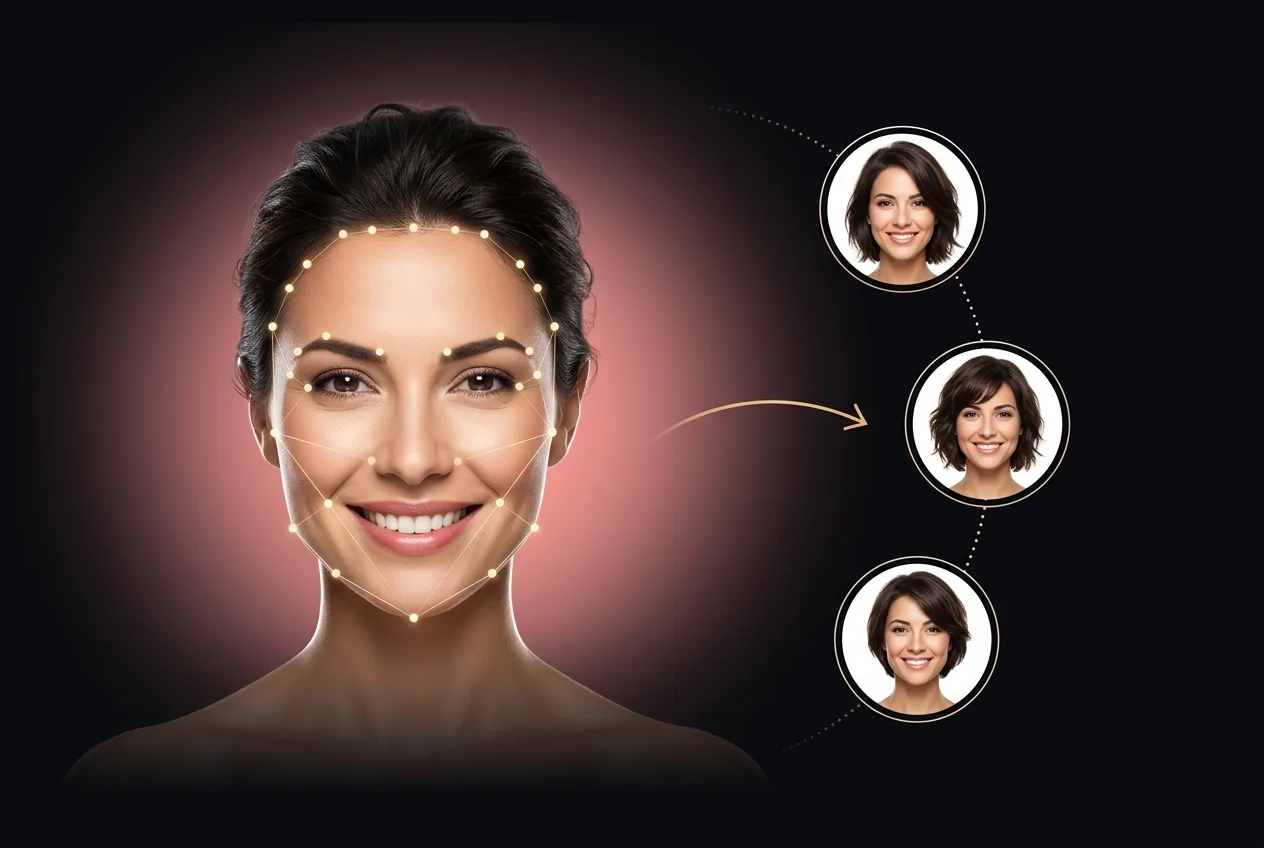
Your face shape is the single most important factor in choosing a flattering haircut. Upload a selfie and our AI will classify your face into one of 6 shapes — oval, round, square, heart, diamond, or oblong — by analyzing 68 facial landmarks in under 10 seconds. Then see which of our 134 hairstyles score “excellent” for your specific shape.
How the AI Face Shape Test Works
Upload a selfie
Take or upload a clear, front-facing photo. Pull your hair back so the AI can see your full face outline. Natural lighting works best.
AI maps 68 facial points
Our algorithm measures jawline angle, forehead-to-chin ratio, cheekbone width, and chin shape — the same proportions professional stylists assess.
Get your shape + styles
See your face shape classification, understand why, and browse personalized recommendations from 134 hairstyles ranked by compatibility.
A Face Shape Detector That Shows Its Work
Most face shape detector apps hand you a one-word label from a live camera frame and stop there. This detector works from a photo instead of a camera feed — a single front-facing selfie — because a still image lets the AI measure precisely: 68 fixed landmark points across your jawline, forehead, cheekbones, and chin, resolved into the ratios that actually define the 6 shapes. No download is needed; it runs in your browser, and there's an iOS app if you prefer one.
The bigger difference is what comes after detection. A label alone is trivia — the point of knowing your face shape is choosing hair that flatters it. So the result arrives with the reasoning (which measurements put you in that shape) and the payoff: which of our 134 cuts score “excellent” for your shape, each previewable on the same photo you just uploaded. For the full measured report — six feature reads, what to avoid, and 4 matched cuts — run the AI hairstyle analysis.
The 6 Face Shapes at a Glance
Every face falls into one of 6 categories. Knowing yours narrows 134 hairstyles down to the ones that genuinely flatter you. Here's how they compare — based on our analysis of every style in our catalog.
Oval is the most versatile shape with 117 “excellent” matches out of 134. Diamond is the most selective with 25 — but 109 more styles still work well. Average maintenance across all styles: a trim every 4.6 weeks.
Not Sure Which Shape You Are?
Upload a selfie and our AI will analyze 68 facial data points to determine your exact face shape — then recommend the most flattering styles from our catalog of 134 hairstyles.
Oval Face Shape
~25% of peopleFace length is about 1.5 times the width, with a forehead slightly wider than the jaw and gently rounded contours. Out of 134 hairstyles, 117 score “excellent” and 17 more are a good fit.
How to identify a oval face
Styling tip: Almost any style works. Oval is the most versatile shape — experiment freely with length, layers, and bangs.

Round Face Shape
~20% of peopleWidth and length are roughly equal with soft curves, full cheeks, and a rounded jawline with no sharp angles. Out of 134 hairstyles, 56 score “excellent” and 28 more are a good fit — while 49 styles to avoid.
How to identify a round face
Styling tip: Add vertical height with quiffs, pompadours, or long layers. Avoid chin-length cuts that emphasize width.

Square Face Shape
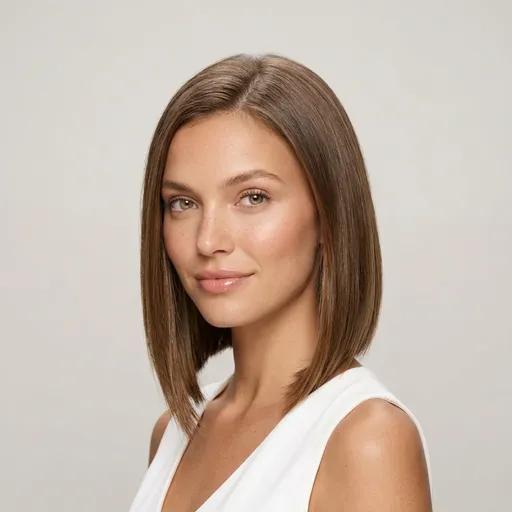
~15% of peopleStrong, angular jawline with forehead and jaw of similar width. The face appears equally wide and long with prominent, straight sides. Out of 134 hairstyles, 47 score “excellent” and 47 more are a good fit — while 30 styles to avoid.
How to identify a square face
Styling tip: Soften angles with waves, textured layers, and side-swept styles. Avoid geometric cuts that mirror the jaw.
Heart Face Shape
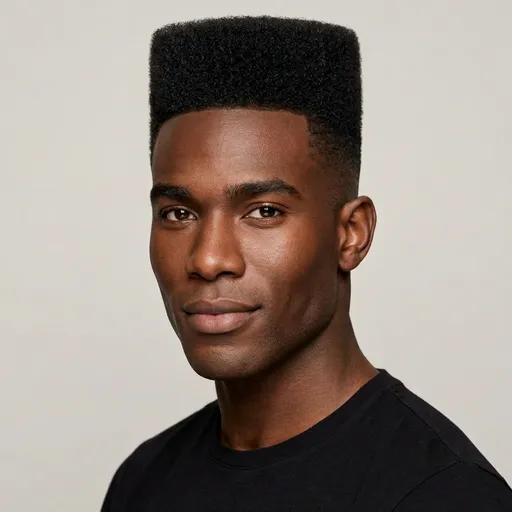
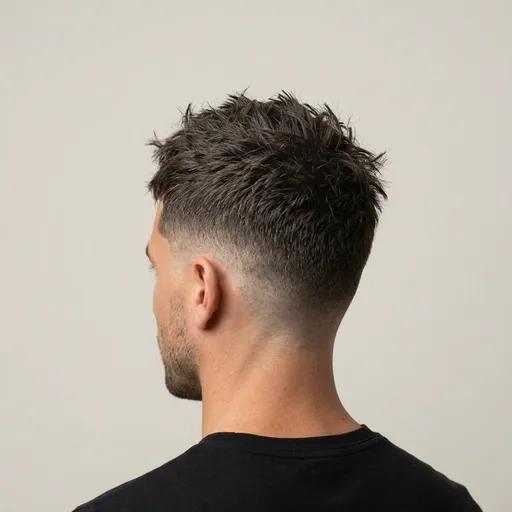
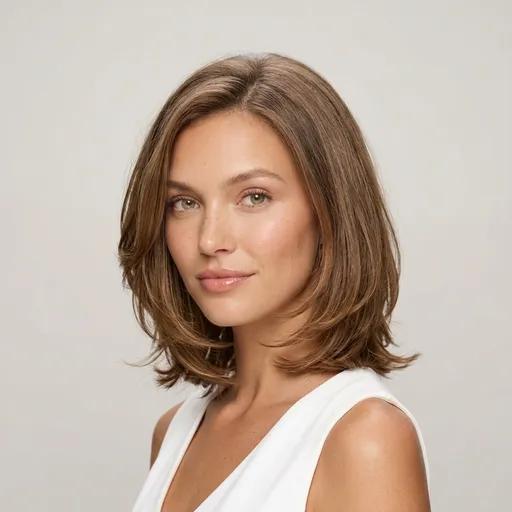
~15% of peopleWider forehead tapering to a narrower chin. Cheekbones are prominent, and a widow's peak is common. Out of 134 hairstyles, 45 score “excellent” and 84 more are a good fit.
How to identify a heart face
Styling tip: Balance the forehead with curtain bangs or side-swept fringes. Chin-length cuts add width where you need it.
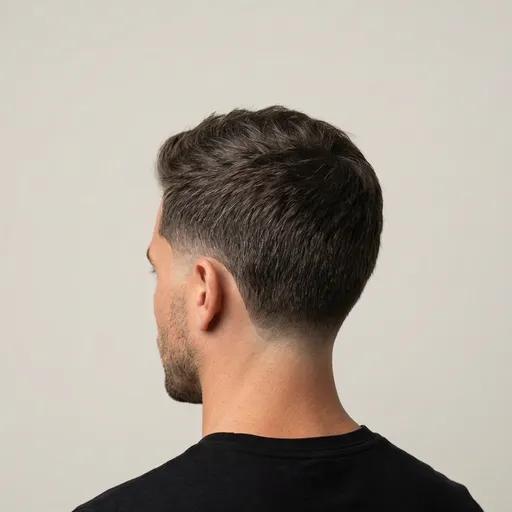
Diamond Face Shape
~10% of peopleThe rarest face shape — narrow forehead and chin with wide, angular cheekbones at the widest point. Out of 134 hairstyles, 25 score “excellent” and 109 more are a good fit.
How to identify a diamond face
Styling tip: Add width at the forehead and chin with textured fringes, side parts, and chin-length cuts.
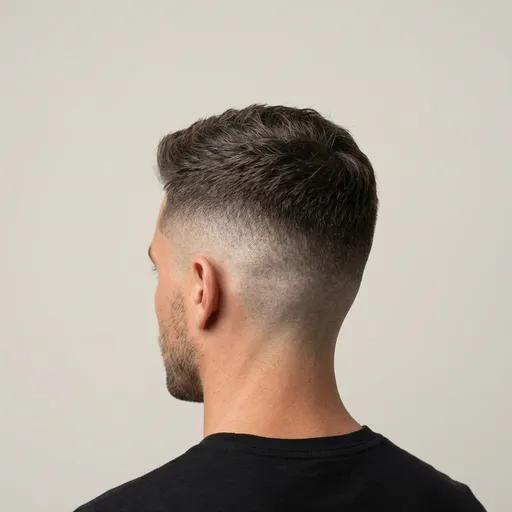
Long (Oblong) Face Shape
~15% of peopleFace length significantly greater than width with a narrow jawline, high forehead, and elongated proportions. Out of 134 hairstyles, 39 score “excellent” and 24 more are a good fit — while 64 styles to avoid.
How to identify a long (oblong) face
Styling tip: Add width with waves, bobs, and bangs. Avoid excessive height on top — it elongates further.
Frequently Asked Questions
How do I determine my face shape?
The fastest way is to upload a selfie to an AI face shape analyzer — it measures 68 facial landmarks (jawline angle, forehead-to-chin ratio, cheekbone width) and classifies your face into one of 6 shapes in under 10 seconds. Alternatively, you can measure manually: pull your hair back, trace your face outline in a mirror, and compare to the 6 standard shapes (oval, round, square, heart, diamond, oblong). The manual method is less precise because subtle differences between shapes — like round vs. oval — are hard to judge by eye.
What are the 6 face shapes?
The 6 standard face shapes are oval (balanced proportions, ~25% of people), round (equal width and length, soft jaw, ~20%), square (strong angular jaw, ~15%), heart (wide forehead, narrow chin, ~15%), diamond (wide cheekbones, narrow forehead and chin, ~10%), and oblong/long (length much greater than width, ~15%). Each shape has specific hairstyles that create balance — oval is the most versatile with 117 flattering styles out of 134, while diamond is the most selective with 25.
Is there a free face shape test I can take online?
Yes. HaircutAI offers a free AI face shape test — upload a front-facing selfie and get your face shape result in under 10 seconds, plus 4 personalized hairstyle recommendations based on your exact facial proportions. The AI analyzes 68 facial data points for accuracy that matches professional stylist assessments.
What face shape is the most common?
Oval is the most common face shape, found in approximately 25% of people. It's also the most versatile for hairstyling — 117 out of 134 hairstyles in our catalog score 'excellent' for oval faces, meaning almost any cut works. Round (~20%), square (~15%), heart (~15%), and oblong (~15%) are roughly equal, while diamond is the rarest at ~10%.
Does face shape really matter for choosing a haircut?
Yes — it's the single biggest factor professional stylists consider. The right cut creates visual balance: round faces need height and angles (layers, side parts), square faces need softening (waves, textured cuts), and long faces need width (bobs, bangs). Our analysis of 134 hairstyles shows that each shape has between 25 and 117 'excellent' matches — so knowing your shape dramatically narrows the search from 134 options to the ones that actually flatter you.
Can I change my face shape with a haircut?
You can't change your bone structure, but the right haircut creates powerful optical illusions. A side-swept fringe can visually narrow a wide forehead by 15-20%. Layers starting below the chin add perceived width to a narrow jaw. Volume at the crown adds height to round faces. These visual effects — tracked in our metadata for every hairstyle — are the same principles professional stylists use to create balance and proportion.
What is the most attractive face shape?
There's no single 'most attractive' face shape — beauty standards vary across cultures and eras. However, oval faces are considered the most versatile because their balanced proportions (length ~1.5x width) complement nearly every hairstyle. The key to looking your best isn't having a specific shape — it's choosing a haircut that creates harmony with the shape you have. That's exactly what face shape analysis helps you do.
Is there a face shape detector app, or does it work from a photo?
Both. The detector works from a photo in your browser — upload one front-facing selfie and the AI classifies your shape, no download required. There's also a HaircutAI iOS app if you prefer detection plus try-on in one place. Photo-based detection is more accurate than live-camera filters because a still, front-facing image lets the AI measure fixed landmark positions instead of estimating from a moving feed.
How accurate is AI face shape detection?
AI face shape analysis measures 68 precise facial landmarks — jawline angle, forehead width, cheekbone projection, chin shape — producing results consistent with what trained stylists would assess. It's particularly effective at distinguishing subtle differences (like oval vs. round) that are hard to judge in a mirror. The analysis takes under 10 seconds and works with any clear, front-facing photo.
Related Tools & Guides
Discover Your Face Shape in 10 Seconds
Join 50,000+ people who found their most flattering hairstyle. Upload a selfie, get your face shape, and see which styles suit you — free.