

Best Hair Colors for Cool Skin Tone
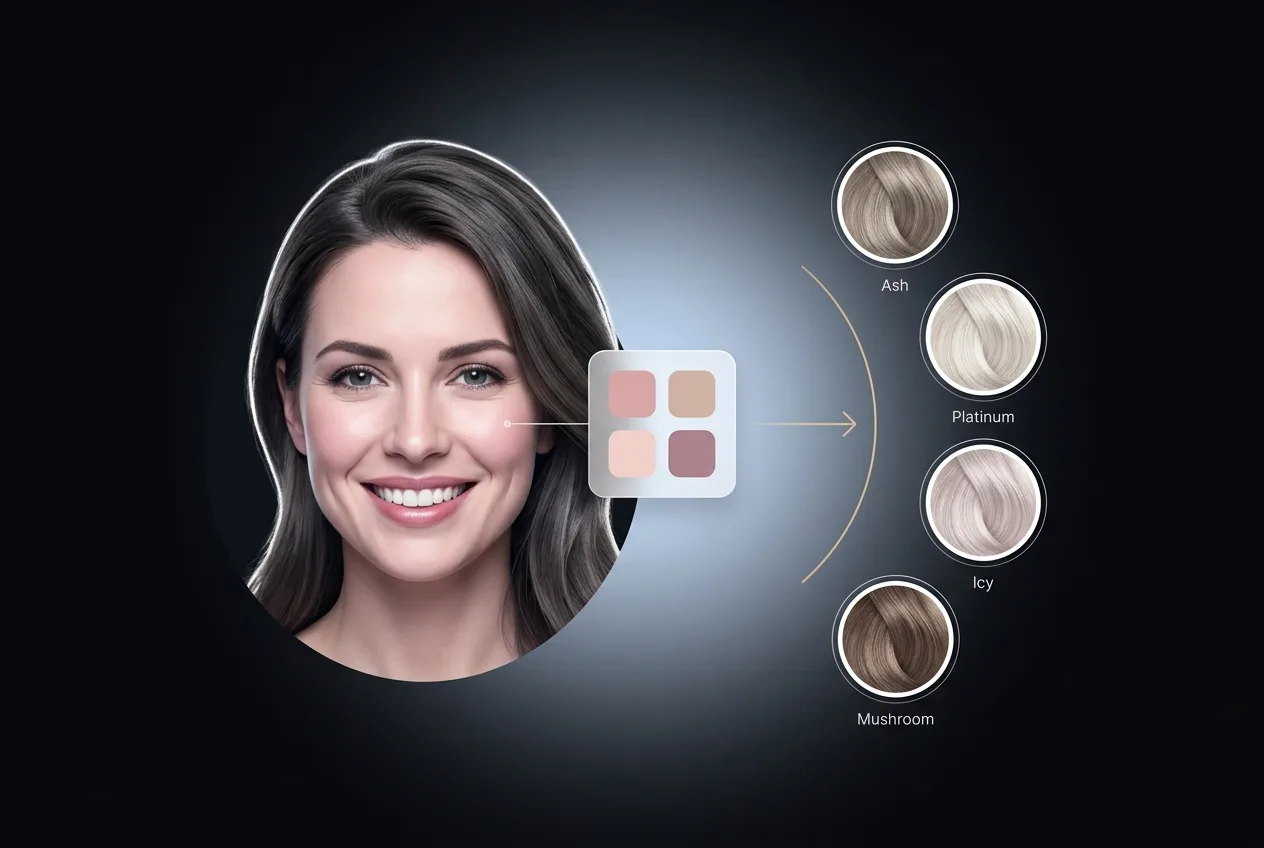
The most flattering hair colors for cool skin tones are ash blonde, platinum, icy blonde, mushroom brown, burgundy, and wine red — shades with blue, violet, or ash undertones that complement your skin's natural pink and rosy pigments. From our analysis of 48 hair colors, 20 score “best” for cool undertones, with 16 cool-toned and 3 neutral-toned options. 13 of these produce a “brightens face,” “cools complexion,” or “softens redness” effect on cool skin. 7 require zero bleaching — though cool blondes tend toward the higher-maintenance end at 4-week average touch-ups.
How to Know If You Have Cool Undertones
Cool undertones mean your skin has pink, rosy, or bluish pigments beneath the surface. Professional colorists recommend combining at least 3 of these methods — no single test is definitive.
The Vein Test
Examine the veins on the inside of your wrist in natural daylight. Blue or purple veins indicate cool undertones. Green veins indicate warm. A mix of both suggests neutral.
Most reliable on lighter skin. Less conclusive for deeper tones.
The Jewelry Test
Hold silver and gold jewelry against your skin. If silver makes your skin look brighter and healthier while gold looks slightly off, you have cool undertones.
Quick and intuitive — most people have a strong instinct here.
The White Paper Test
Hold a bright white sheet of paper next to your face. If your skin appears pinkish, rosy, or slightly blue by comparison, you have cool undertones. Yellowish or golden means warm.
Use natural daylight — fluorescent lighting skews results.
The Clothing Drape Test
Drape cool-colored fabrics (navy, fuchsia, icy blue, silver, jewel tones) and warm ones (mustard, olive, coral, rust) near your face. If the cool colors make you look vibrant while warm ones wash you out — you're cool.
Most accurate DIY method — closest to professional seasonal color analysis.
20 Hair Colors Rated “Best” for Cool Undertones
Sorted by level (darkest to lightest). Match level is based on structured metadata across 48 analyzed colors.
| Color | Temperature | Technique | Maintenance |
|---|---|---|---|
 | cool | Solid | Low (6wk) |
 | cool | Solid | Medium (6wk) |
 | cool | Solid | Medium (6wk) |
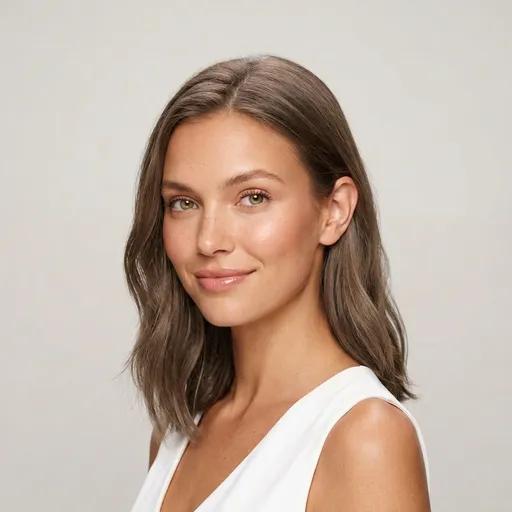 | cool | Solid | Low (8wk) |
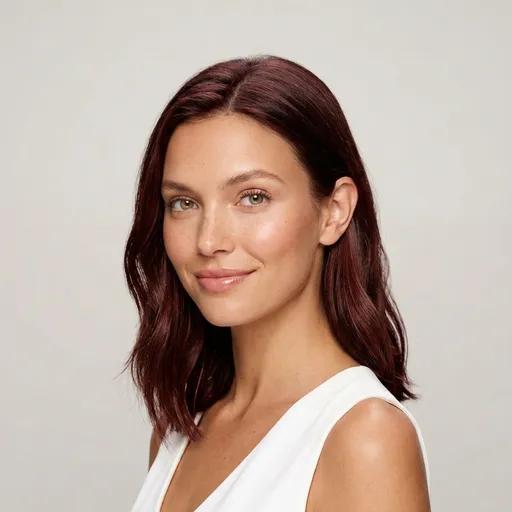 | cool | Solid | Medium (6wk) |
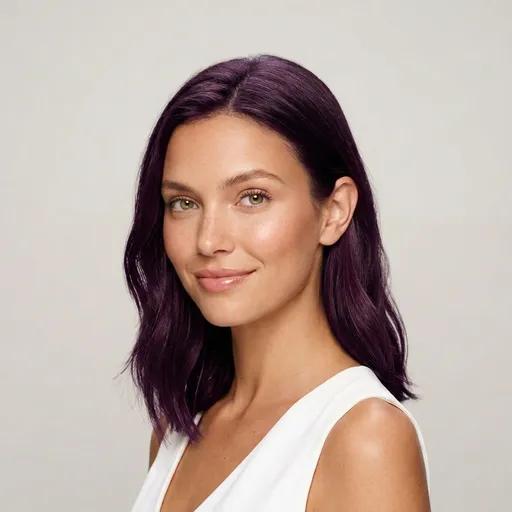 | cool | Solid | High (3wk) |
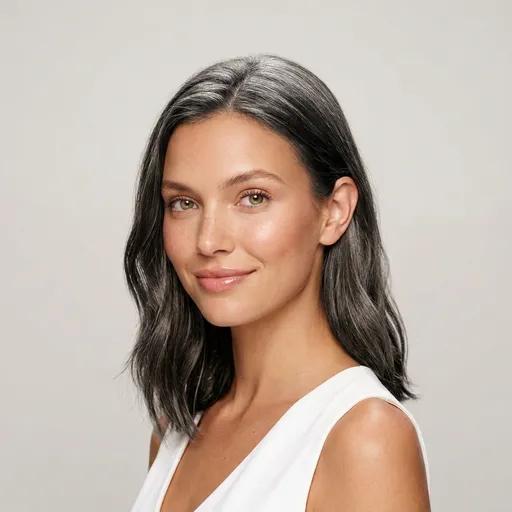 | neutral | Dimensional | Very Low |
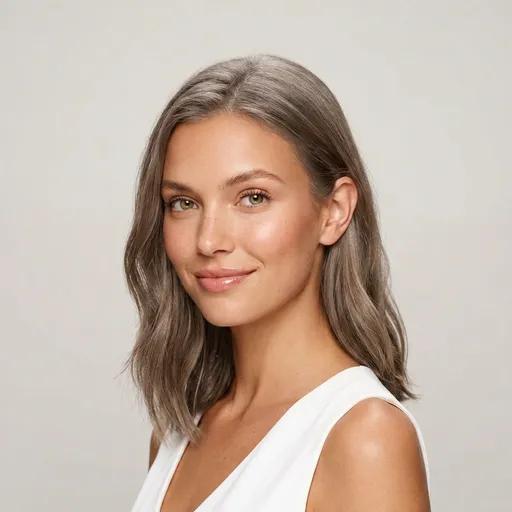 | neutral | Solid | Very Low |
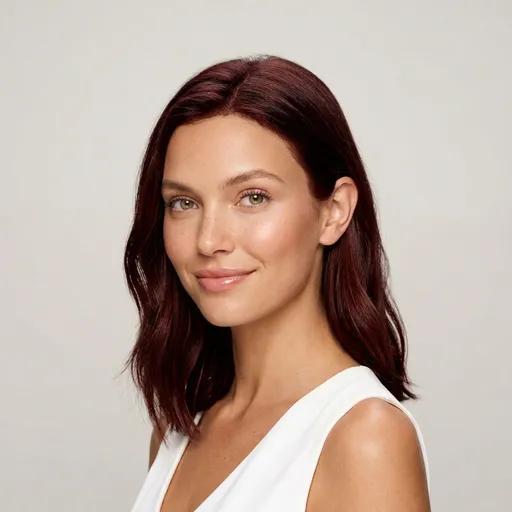 | cool | Solid | High (3wk) |
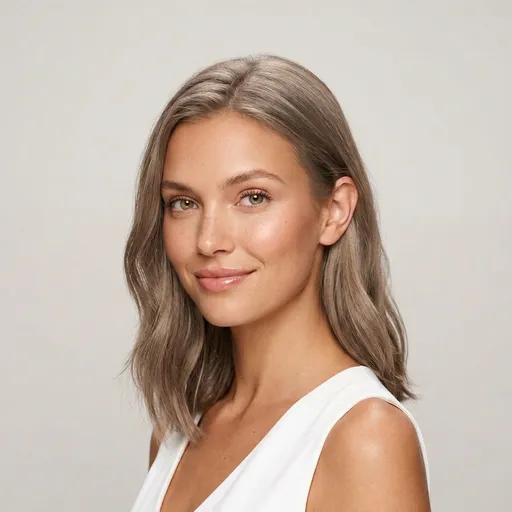 | cool | Solid | Medium-High (5wk) |
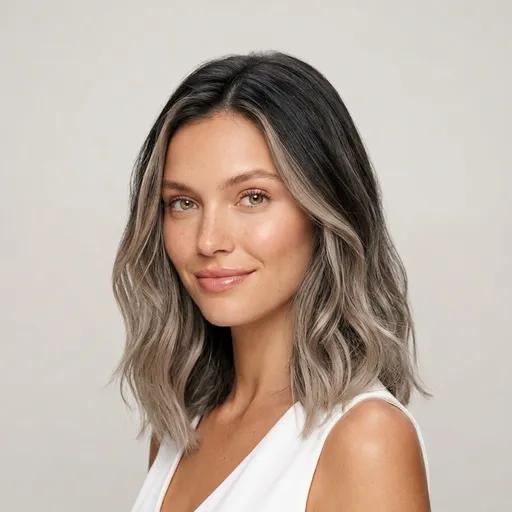 | cool | Balayage | Medium (12wk) |
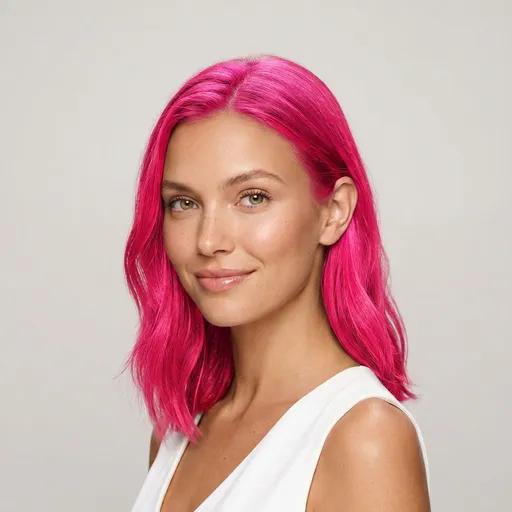 | cool | Solid | High (2wk) |
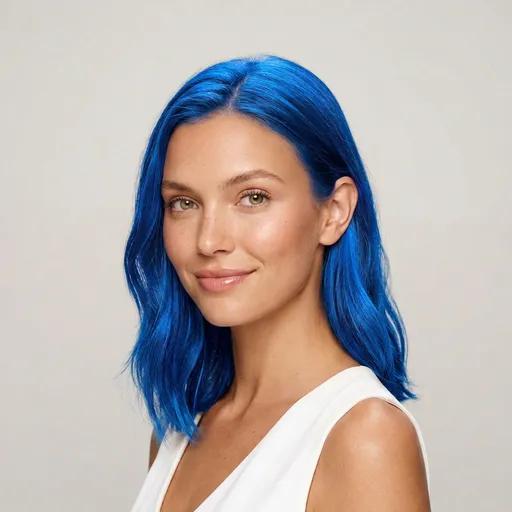 | cool | Solid | High (2wk) |
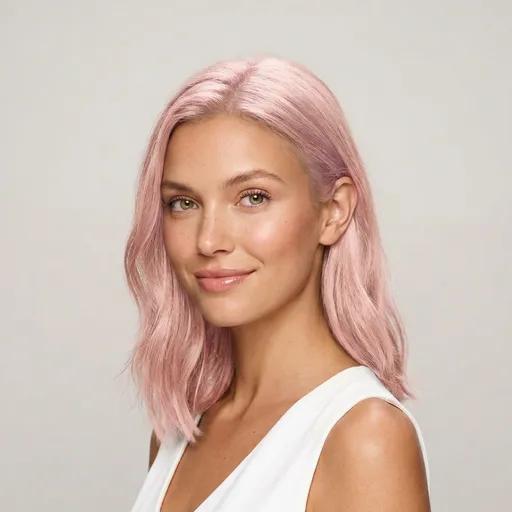 | cool | Solid | High (1wk) |
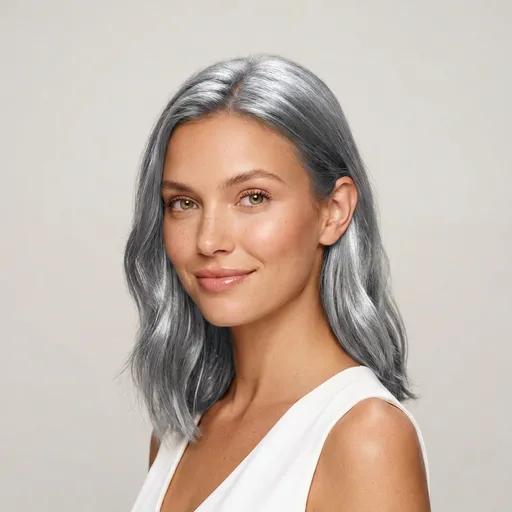 | cool | Solid | High (3wk) |
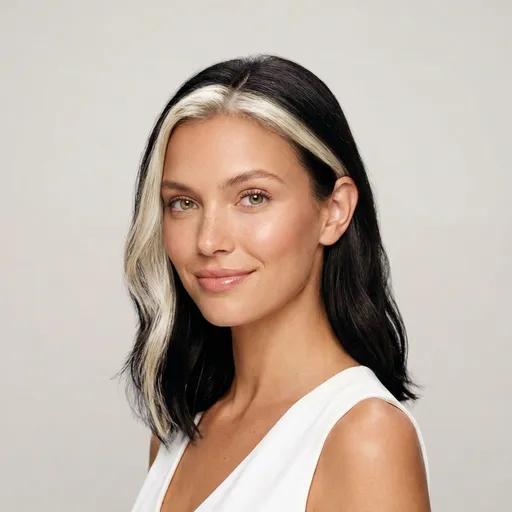 | neutral | Streak | Low (8wk) |
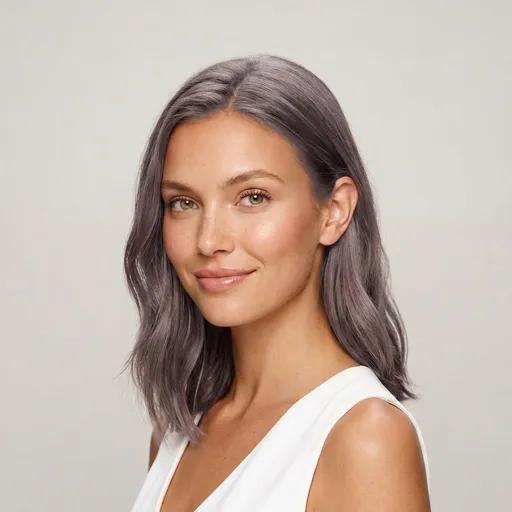 | cool | Solid | High (2wk) |
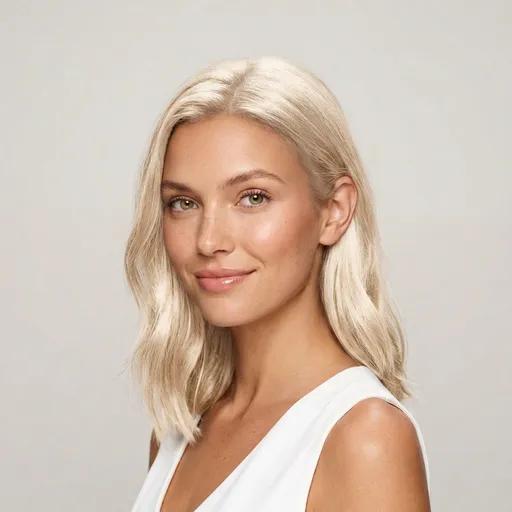 | warm | Solid | High (4wk) |
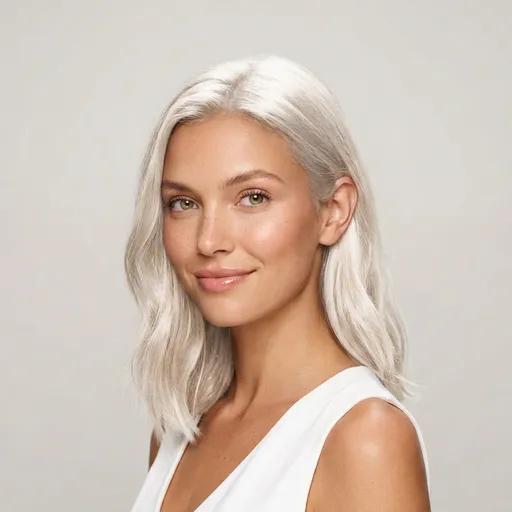 | cool | Solid | High (4wk) |
 | cool | Solid | High (2wk) |
Upload your photo and we'll show you which of these 20 cool-friendly colors looks best on your face, skin tone, and features.
Cool-Friendly Blondes (3 shades)
Cool blondes sit on the ash-to-icy spectrum — their blue and violet undertones neutralize brassiness and complement pink-toned skin. These shades range from sophisticated ash blonde (level 8-9) to the dramatic icy blonde (level 10). Most cool blondes require bleaching and sit in the $$-$$$$ cost tier, but the payoff is a striking, editorial finish that makes blue and gray eyes pop.
Cool-Friendly Brunettes (1 shade)
Cool-toned brunettes are the hidden gems of this category — low maintenance, affordable, and deeply flattering. Mushroom brown's gray-beige undertones and espresso's near-black depth both work beautifully with cool skin. These are the colors to start with if you want a natural-looking change without the upkeep commitment of cool blondes.
Cool-Toned Reds & Berries (3 shades)
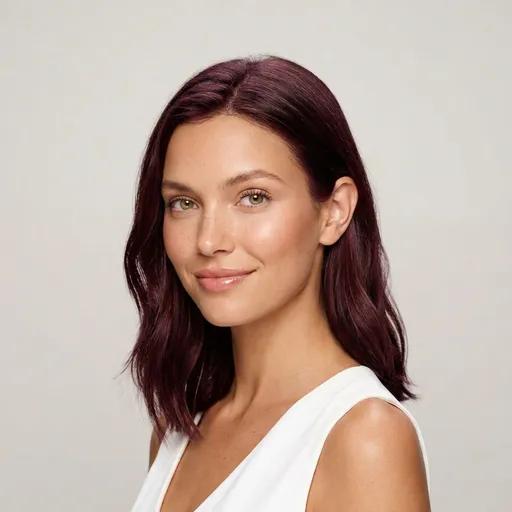
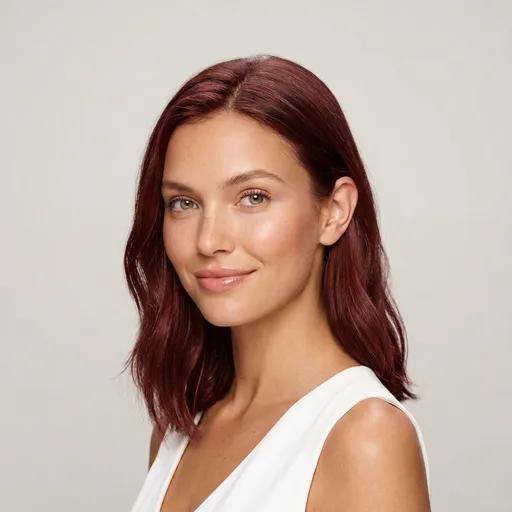
Blue-based reds — burgundy, wine red, cherry — are the cool-skin reds, distinct from the warm-toned coppers and auburns. These shades get their depth from violet and blue pigments rather than orange-copper ones, creating a rich berry effect that harmonizes with pink undertones instead of clashing. Red pigment molecules fade faster than other families, so expect 4-6 week touch-ups.
Cool-Friendly Grays & Silvers (4 shades)
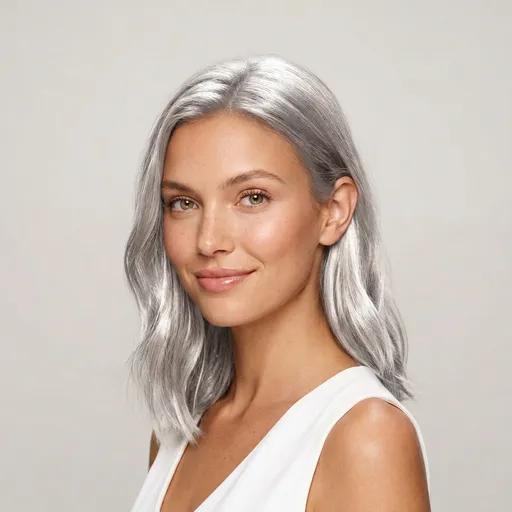
Silver and gray shades are inherently cool-toned and create a sophisticated, modern effect on cool skin. Natural gray is virtually zero maintenance — embracing your grays rather than fighting them. Silver gray and platinum silver require salon-level toning but deliver an editorial, high-fashion result that's increasingly popular across all ages.
Cool-Friendly Techniques (2 shades)
Cool-toned techniques like ash balayage offer the cool color effect with significantly lower maintenance than solid color. Because regrowth blends naturally into the hand-painted gradient, touch-ups stretch to 10-14 weeks. These techniques are ideal if you want cool dimension without committing to full-head color every month.
Cool-Friendly Dark (1 shade)
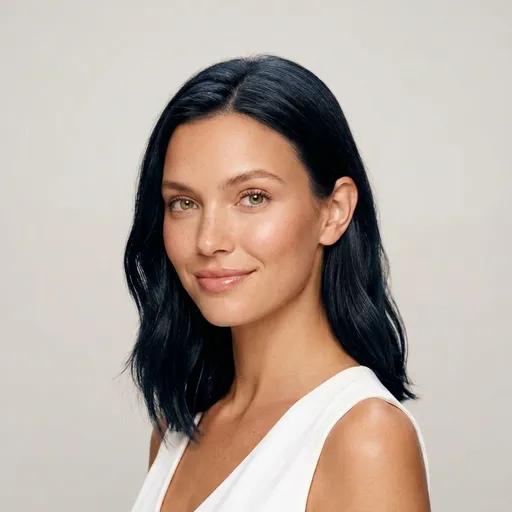
Jet black is the ultimate cool dark shade — its blue-cool sheen creates dramatic contrast, especially striking on fair cool skin (the classic "Snow White" effect). At level 1 with virtually zero maintenance and zero bleaching required, it's the easiest cool color to achieve and maintain.
Colors to Avoid with Cool Skin
Warm-toned and golden colors can make cool skin appear sallow, yellowish, or washed out. The clash happens when gold, amber, and copper undertones in the hair fight against the pink and blue pigments in cool skin, creating a muddy visual dissonance instead of the fresh, brightened look you get from cool-on-cool harmony.

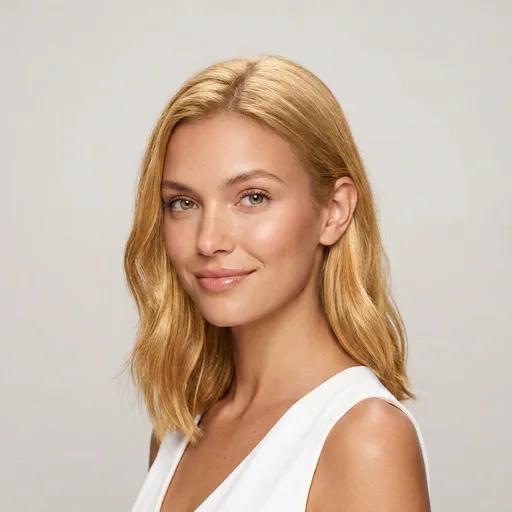
Honey Blonde
Warm-toned — level 7
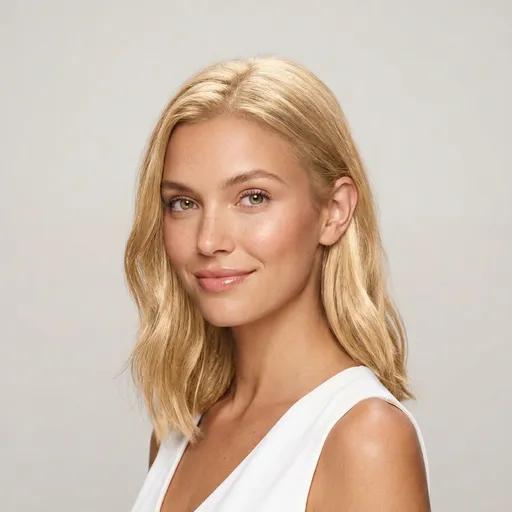
Golden Blonde
Warm-toned — level 8
Buttery Blonde
Warm-toned — level 9

Caramel Brown
Warm-toned — level 6
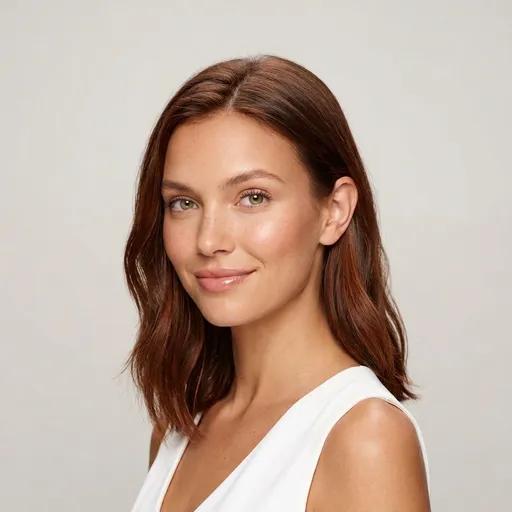
Chestnut Brown
Warm-toned — level 5

Copper
Warm-toned — level 7
Specifically: Honey blonde, golden blonde, caramel brown, copper, and warm-toned auburn create the most visible clash with cool skin. If you love these warm shades, a skilled colorist can sometimes cool-shift the formula with ash toners — but the standard versions are the least flattering pairing for cool undertones.
Why Cool Hair Colors Complement Cool Skin
The Matching Principle
Professional color theory from Wella, L'Oréal, and Schwarzkopf follows one core rule: match hair color temperature to skin undertone. Cool skin contains pink, rosy, and blue-ish pigments (eumelanin dominant). When hair color contains complementary cool pigments — ash, violet, blue, berry — both skin and hair appear more luminous and harmonious. This is why 13 of our 20 cool-recommended colors produce a measurable “brightens face” or “softens redness” skin effect.
The Level System
Hair color operates on a professional Level 1-10 scale (darkest to lightest), from the Milady Standard Cosmetology textbook. Our 20 cool-friendly colors span levels 1 to 10. Each level has an underlying pigment exposed during lightening — dark red at level 1-2 progressing to pale yellow at level 9-10. Cool tones (ash, violet) are added on top to neutralize these warm underlying pigments, which is why cool blondes require more maintenance: the warm pigment keeps trying to come through.
The Contrarian Approach
Modern colorists — including eSalon's professional team — sometimes recommend the opposite: choosing a warm hair tone on cool skin to create visual balance. Warm golden hair on cool/pink skin can actually reduce visible redness and create a striking contrast effect. Rose gold on cool skin is a perfect example — it's become one of the most requested “rule-breaking” color choices. Our 16 “good” match colors include some warmer tones that experienced colorists can make work beautifully on cool skin.
Eye Color Interaction
Cool colors create specific eye color effects based on the color wheel. Ash and platinum blondes intensify blue and gray eyes through tonal harmony — cool hair beside cool eyes creates an icy, editorial effect. Burgundy and wine red sit near violet on the color wheel, making green eyes appear more vivid through contrast. For brown eyes, cool espresso and mushroom brown add sophisticated depth. The key: pair your cool hair color with the eye color interaction that excites you most.
See These Colors on Your Face
Join 50,000+ people who found their perfect hair color. Upload a selfie and try any of our 48 colors in under 30 seconds.
Quick Stats: Cool Skin Color Matches
20
Best matches
out of 48 colors
4wk
Avg touch-up
across best matches
5
Low maintenance
level 1-2 out of 5
11
High maintenance
level 4-5 (cool blondes)
Undertone rules point the way, but a photorealistic preview removes the doubt. Upload one selfie to the AI haircut recommender and get your 4 best matches in about 30 seconds — free.
Frequently Asked Questions
Can cool skin tones wear brown hair?
Yes — cool skin tones look excellent with cool-toned browns like mushroom brown, espresso, and ash-toned chocolate. The key is choosing browns with blue, violet, or ash undertones rather than warm golden or red ones. Mushroom brown (level 5-6) is the standout cool brown — its gray-beige undertones complement pink-toned skin beautifully while requiring minimal maintenance. Espresso (level 2-3) works across all undertones including cool, creating dramatic depth. Avoid caramel brown, chestnut, and golden-toned browns, which can create a muddy clash with cool pink or blue undertones in the skin.
What is the vein test for cool undertones?
The vein test is a quick DIY method: examine the veins on the inside of your wrist in natural daylight. If your veins appear predominantly blue or purple, you have cool undertones. Green veins indicate warm, and a mix of both suggests neutral. For cool undertones specifically, you may also notice that your skin has a pinkish, rosy, or bluish cast rather than golden or peachy. Professional colorists recommend combining the vein test with the jewelry test (silver flatters you more than gold) and the white paper test (your skin appears pinkish next to white paper) for the most accurate result.
Is platinum blonde hard to maintain?
Platinum blonde is rated 5 out of 5 for maintenance in our system — the highest tier. It requires toning every 4-5 weeks to prevent brassy yellow-gold roots, always requires bleaching regardless of your starting color, has very high damage potential, and costs $$$$ per salon visit. Purple shampoo between appointments is essential. However, if you have naturally very light hair (level 8-9), the lift required is minimal and maintenance becomes more manageable. For a lower-commitment cool blonde, consider ash blonde (level 4/5 maintenance) or champagne blonde (level 4/5 but with a softer, more forgiving fade pattern).
What hair color makes cool skin look brighter?
Colors with ash, violet, blue, or berry undertones brighten cool skin by complementing the natural pink and blue pigments in your complexion. From our metadata, ash blonde, icy blonde, and platinum all produce a 'brightens face' skin effect on cool tones. Burgundy and wine red create a rich warmth that makes cool skin glow without clashing — blue-based reds harmonize where orange-based reds would fight. Mushroom brown 'cools complexion' and 'softens redness,' making it excellent for cool skin with visible redness. The common thread: blue and violet base tones align with cool skin's natural pigmentation.
Should cool skin tones avoid warm hair colors completely?
Not necessarily. The traditional rule says match cool hair to cool skin, and it's the safest approach recommended by Wella, L'Oreal, and Schwarzkopf. But modern colorists also use a contrarian complementary approach: warm-toned hair on cool/pink skin can reduce visible redness and create visual balance. Rose gold and soft copper are increasingly popular on cool skin for this reason. The key is intentionality — accidental warmth (brassy roots, faded ash turning gold) looks like a mistake, while deliberately chosen warm tones can look striking. If this is your first color change, start with cool-on-cool — lower risk, reliably flattering.
What cool-toned hair color is lowest maintenance?
Mushroom brown and espresso are the lowest-maintenance cool-friendly colors, both rated 1 out of 5 in our system. Mushroom brown (level 5-6) barely fades due to its muted, close-to-natural tone and requires zero bleaching — touch-ups only every 10+ weeks. Espresso (level 2-3) is even more forgiving, needing touch-ups only every 12 weeks with virtually no fading. Both cost just $ per application and can be done at home. Compare this to icy blonde (5/5 maintenance, $$$$ cost, 4-week touch-ups) — the maintenance difference between cool colors is dramatic.
How can I try cool-toned hair colors before committing?
Upload a selfie to HaircutAI and try any of our 48 hair colors on your actual photo in seconds. Our AI realistically applies each color to your hair while preserving your face, skin tone, and lighting — so you can see exactly how ash blonde, platinum, or burgundy would look on you before spending $200+ at a salon. The tool analyzes 68 facial data points including your skin tone, making recommendations personalized to your features. Try multiple cool shades side by side to compare — it takes about 30 seconds per color, completely free.
Related Guides
Find Your Perfect Cool-Tone Hair Color
Upload a selfie and try any of our 20 cool-friendly colors on your actual photo — see the result in seconds, not hours at the salon.