

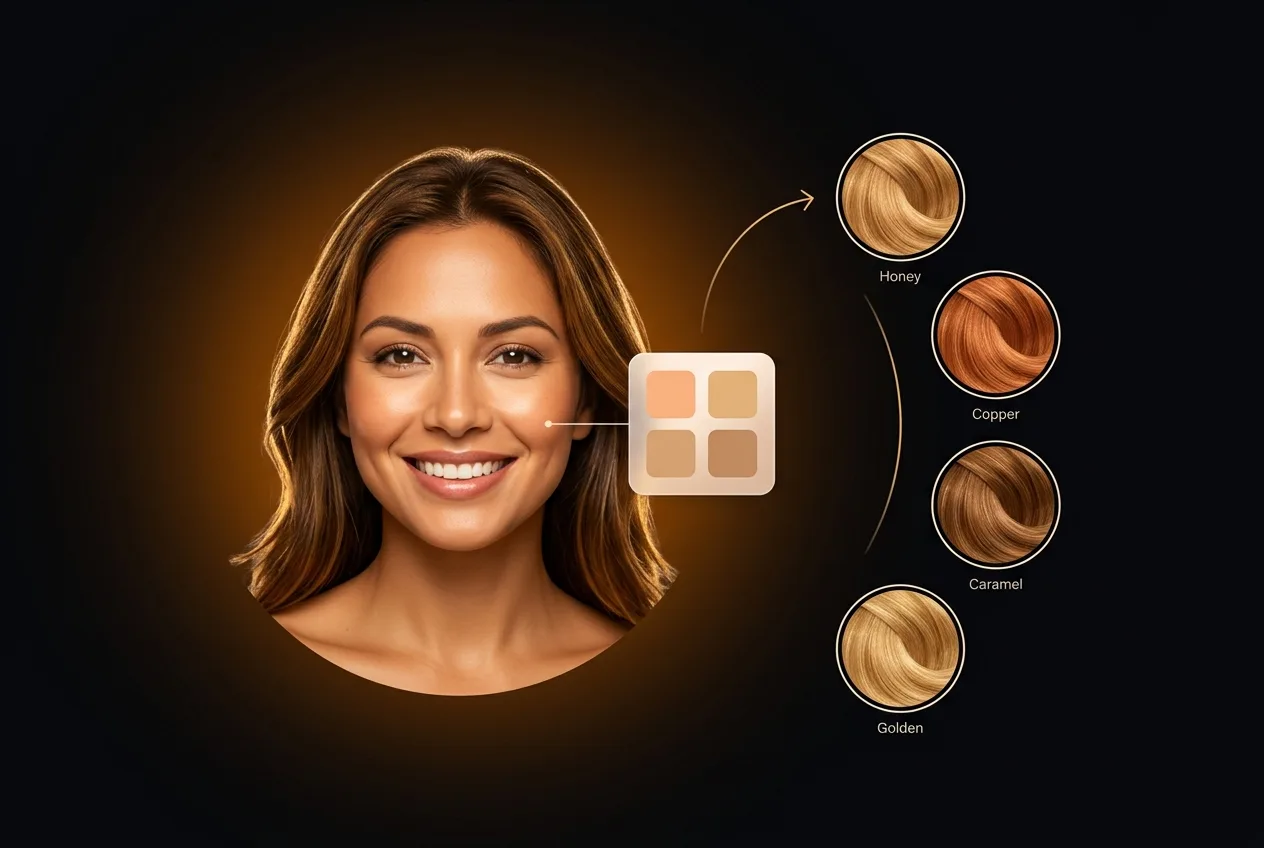
Best Hair Colors for Warm Skin Tone
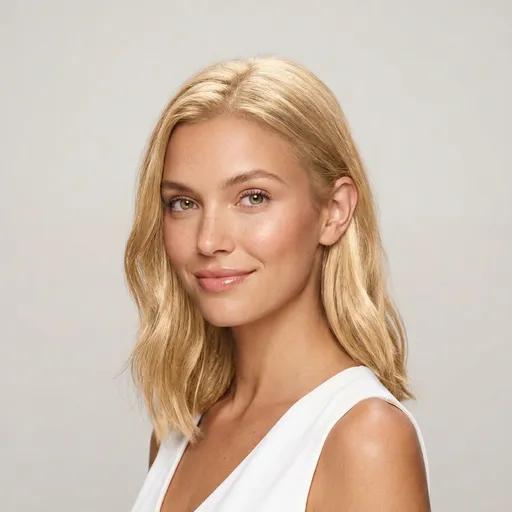
The most flattering hair colors for warm skin tones are honey blonde, copper, caramel brown, golden blonde, chestnut brown, and auburn — shades with gold, amber, or copper undertones that echo your skin's natural warmth. From our analysis of 48 hair colors, 27 score “best” for warm undertones, with 21 warm-toned and 6 neutral-toned options. 24 of these colors produce a visible “warms complexion” or “adds glow” effect on warm skin. 23 have a youthful aging effect, and 8 require zero bleaching.
How to Know If You Have Warm Undertones
Before choosing a hair color, confirm your undertone. Professional colorists recommend combining at least 3 of these methods for accuracy — no single test is definitive on its own.
The Vein Test
Look at the veins on the inside of your wrist in natural daylight. Green veins indicate warm undertones. Blue or purple veins indicate cool. A mix of both suggests neutral.
Best for: lighter skin tones. Less reliable for deeper skin.
The Jewelry Test
Hold gold and silver jewelry against your skin. If gold makes your skin glow and look healthier, you have warm undertones. If silver is more flattering, you lean cool.
Moderate reliability — subjective, but quick.
The White Paper Test
Hold a bright white sheet of paper next to your face. If your skin appears yellowish or golden by comparison, you have warm undertones. Pinkish or rosy means cool.
Do this in natural light, not fluorescent.
The Clothing Drape Test
Drape warm-colored fabrics (mustard, olive, coral, rust) and cool-colored ones (navy, fuchsia, icy blue, silver) near your face. Whichever family makes you look more vibrant and healthy — that's your undertone.
Most accurate DIY method — closest to professional seasonal draping.
27 Hair Colors Rated “Best” for Warm Undertones
Sorted by level (darkest to lightest). Match level is based on our structured metadata across 48 analyzed colors.
| Color | Temperature | Technique | Maintenance |
|---|---|---|---|
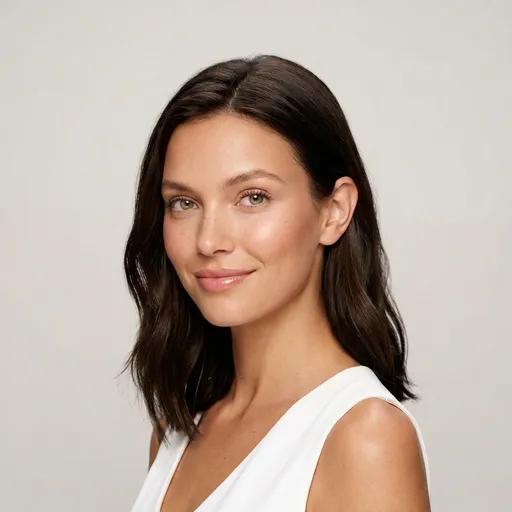 | neutral | Solid | Very Low (12wk) |
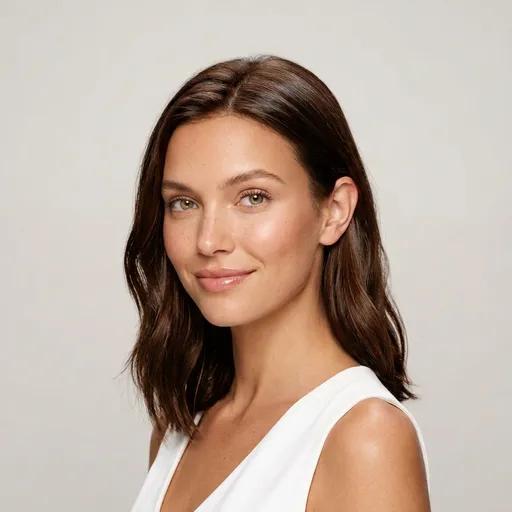 | warm | Solid | Low (8wk) |
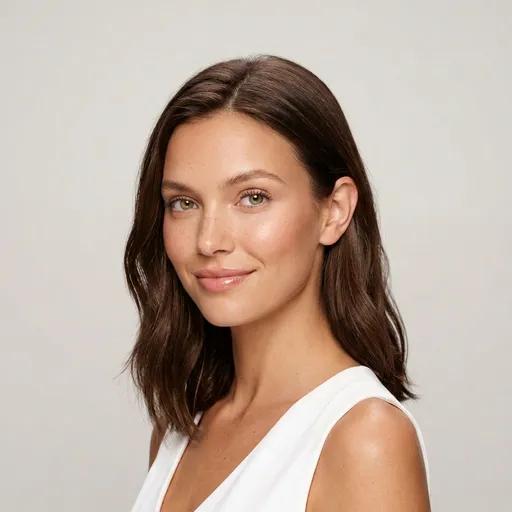 | neutral | Solid | Very Low (10wk) |
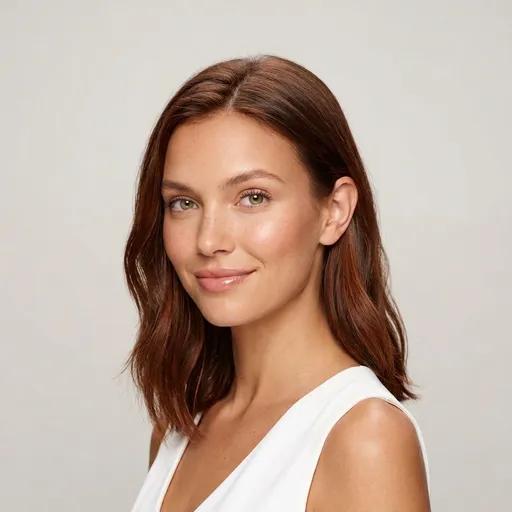 | warm | Solid | Low (8wk) |
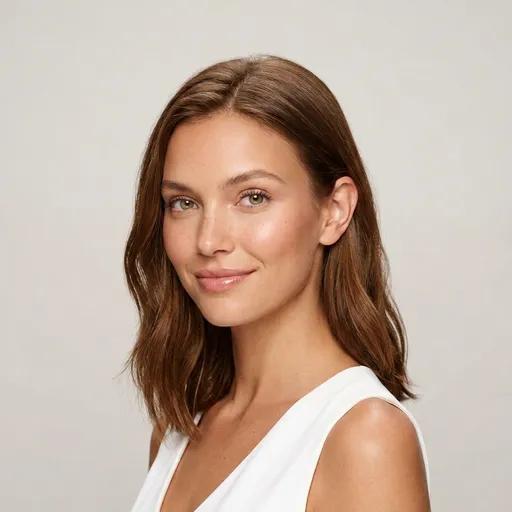 | warm | Solid | Very Low (10wk) |
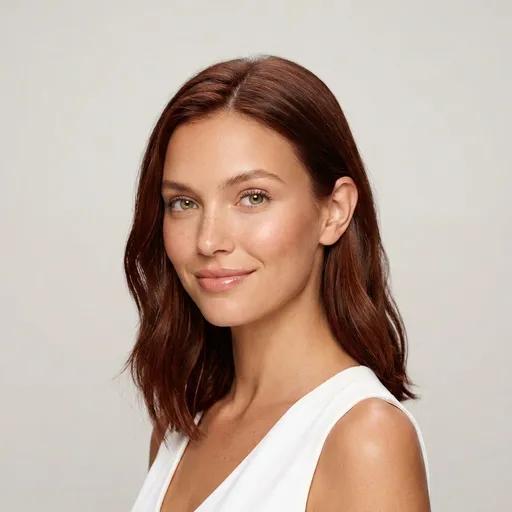 | warm | Solid | Medium-High (5wk) |
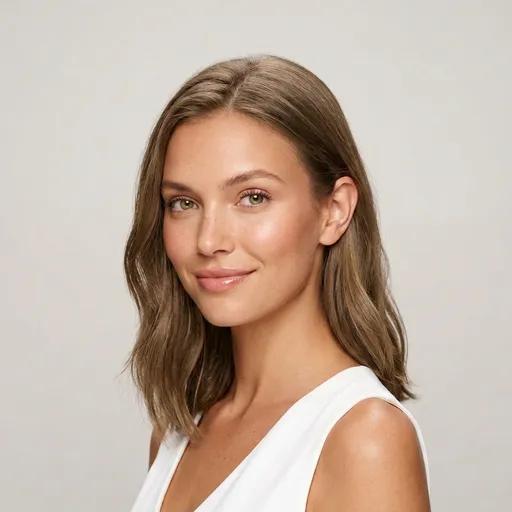 | neutral | Solid | Very Low (10wk) |
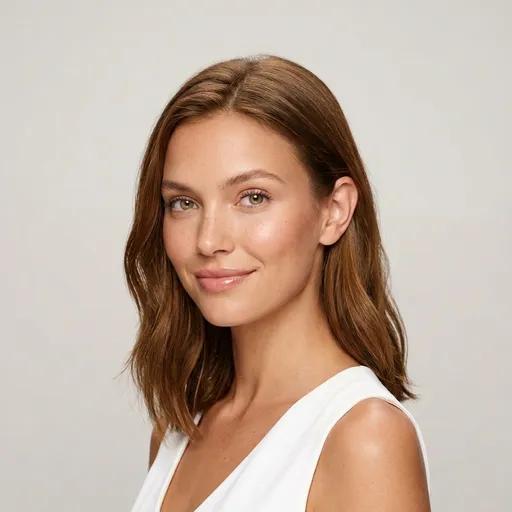 | warm | Solid | Low (8wk) |
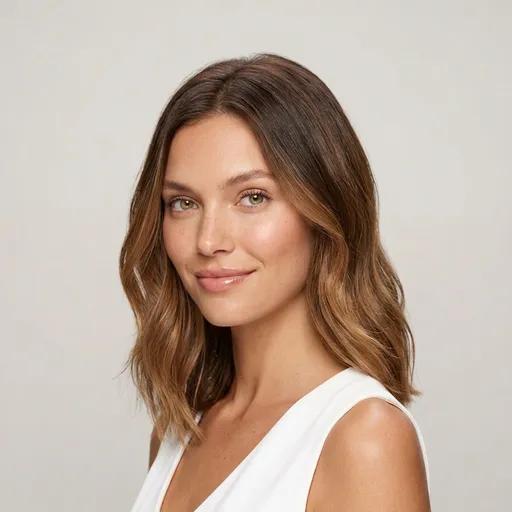 | warm | Balayage | Low (14wk) |
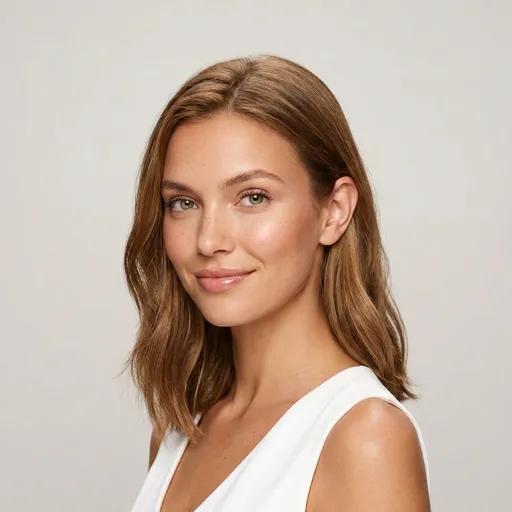 | warm | Dimensional | Low (10wk) |
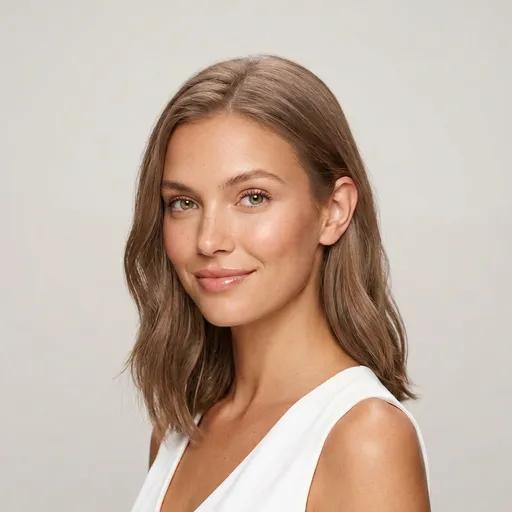 | warm | Solid | Low (8wk) |
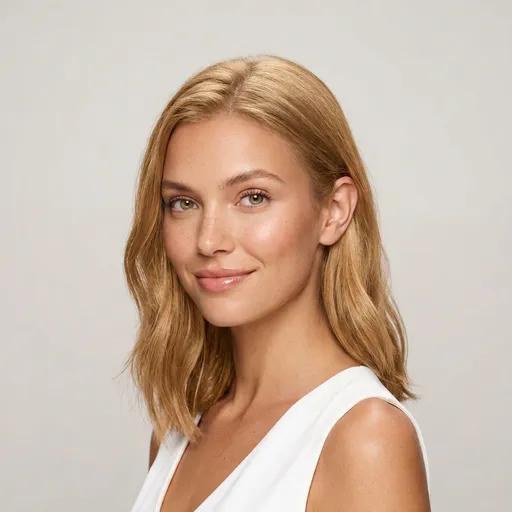 | warm | Solid | Medium (7wk) |
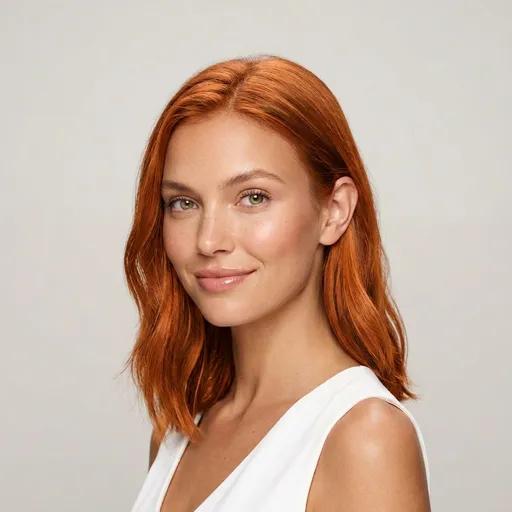 | warm | Solid | High (4wk) |
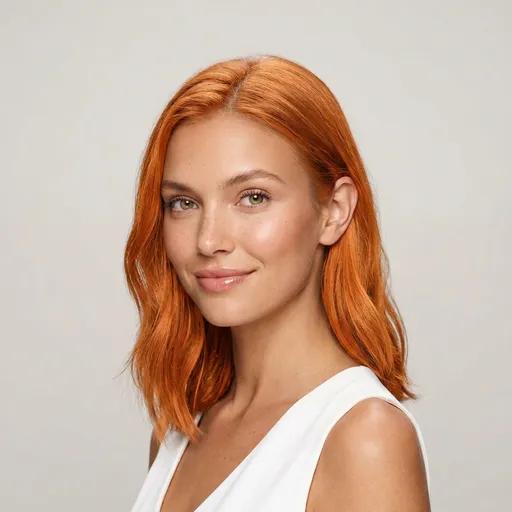 | warm | Solid | High (4wk) |
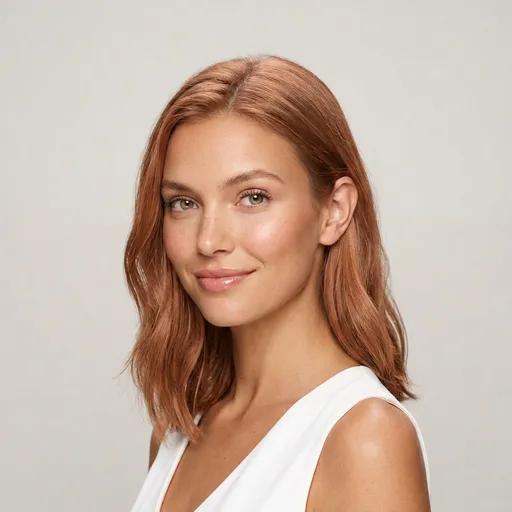 | warm | Solid | Medium-High (5wk) |
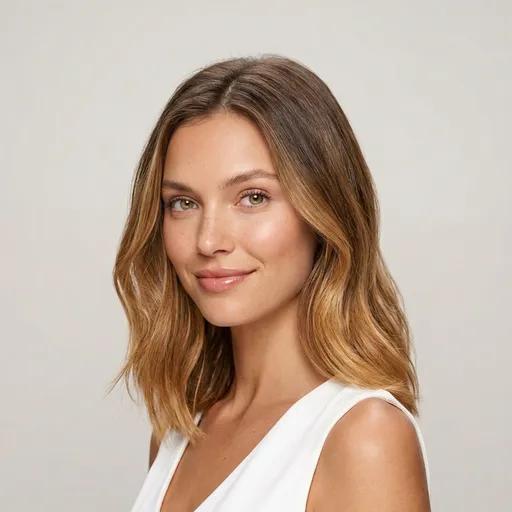 | warm | Balayage | Low (14wk) |
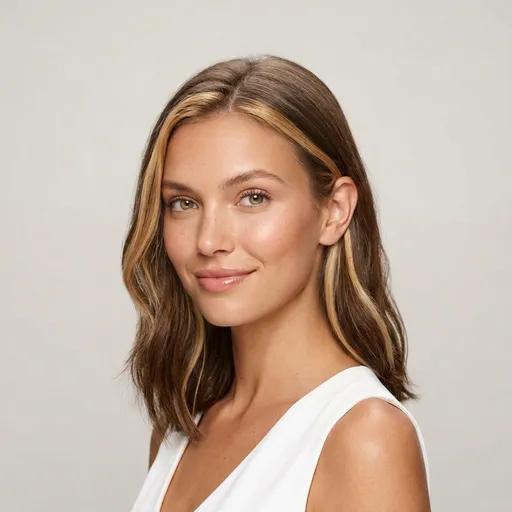 | warm | Highlights | Medium (8wk) |
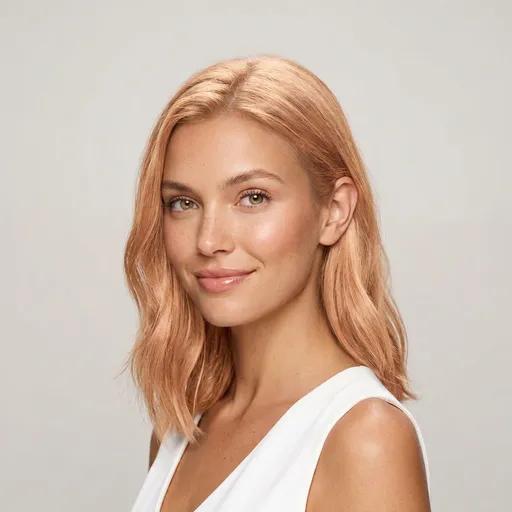 | warm | Solid | Medium (6wk) |
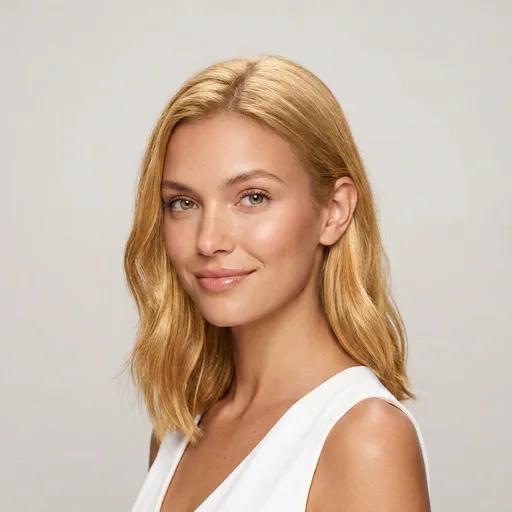 | warm | Solid | Medium (6wk) |
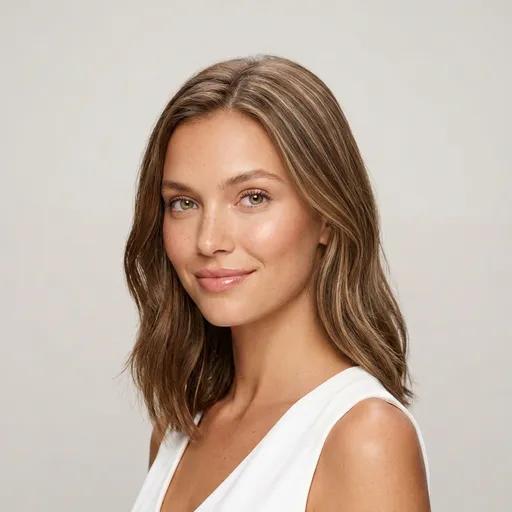 | warm | Highlights | Medium (8wk) |
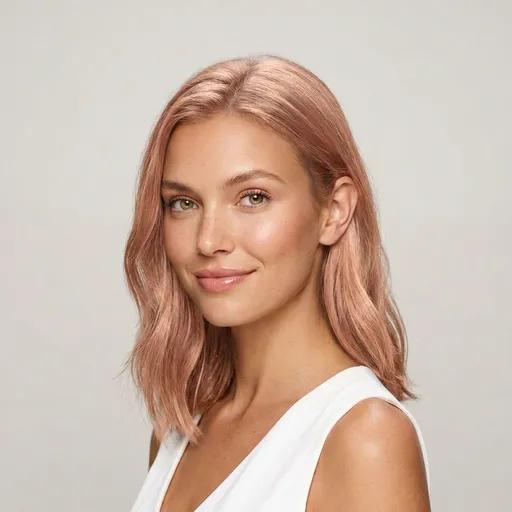 | warm | Solid | High (3wk) |
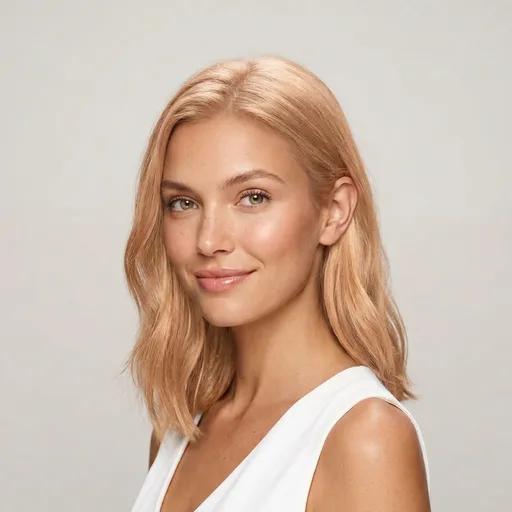 | warm | Solid | Medium (5wk) |
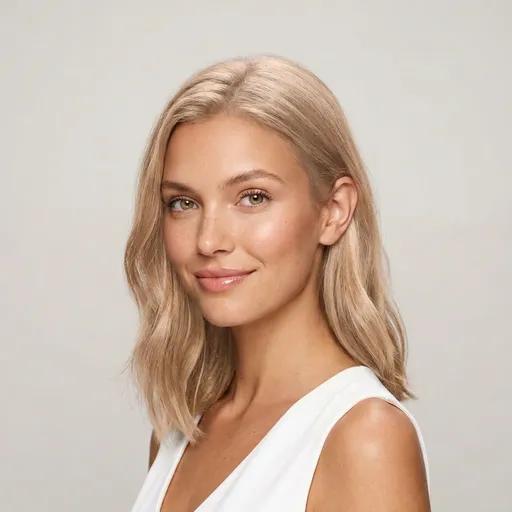 | neutral | Solid | Medium-High (5wk) |
 | warm | Solid | Medium-High (5wk) |
 | neutral | Streak | Medium (8wk) |
 | neutral | Highlights | Medium (8wk) |
 | warm | Solid | High (4wk) |
Upload your photo and we'll show you which of these 27 warm-friendly colors looks best on your face, skin tone, and features.
Warm-Friendly Blondes (8 shades)
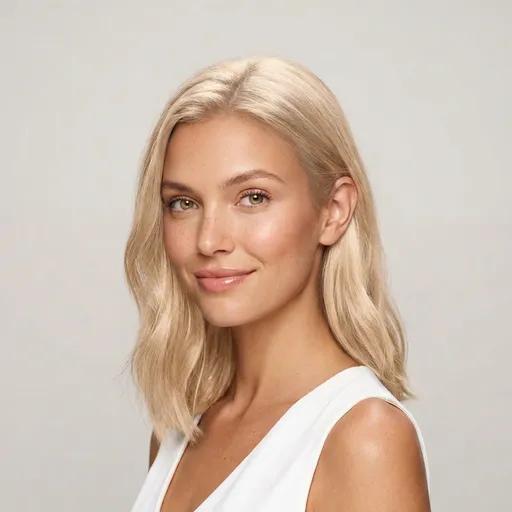
The key to blonde on warm skin is choosing shades with gold, amber, or honey undertones rather than ashy or icy ones. Warm blondes at levels 6-9 create a natural sun-kissed effect that echoes the golden pigments in warm skin. Of these 8 shades, 5 have a youthful aging effect and 4 can occur naturally.
Warm-Friendly Brunettes (7 shades)
Brunettes are the lowest-maintenance category for warm skin — averaging just 1.6/5 maintenance. Chocolate brown, caramel brown, chestnut brown, and mocha all work beautifully because their warm undertones (amber, gold, coffee, copper) harmonize with warm skin. 6 of these 7 shades require zero bleaching, making them the safest entry point for a color change.
Reds & Coppers (5 shades)
Copper and auburn are the bold choice for warm skin tones — and they work because warm-toned reds (orange-copper, not blue-violet) echo your skin's golden undertones while adding striking vibrancy. Red pigment molecules are the largest in hair dye chemistry, which means they sit on the outer cuticle and fade faster than any other family. Average maintenance across these shades: 4.8/5 with 3 shades needing touch-ups every 4 weeks or less.
Warm-Friendly Techniques (7 options)
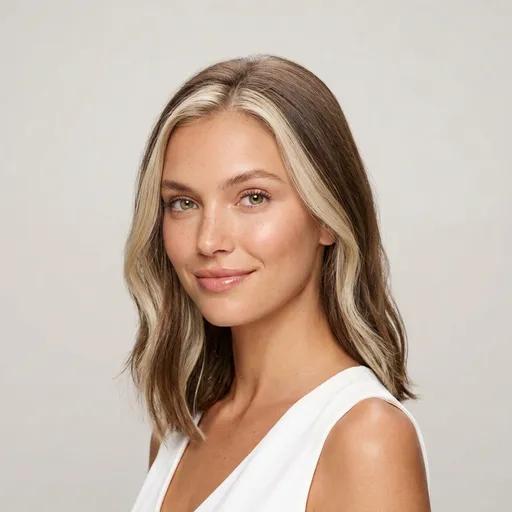
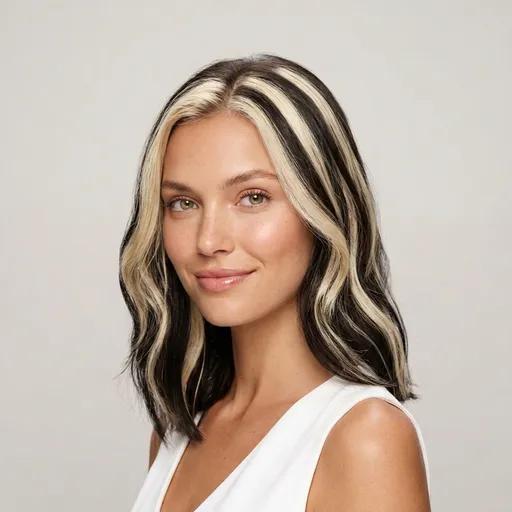
Balayage, highlights, and ombré techniques offer the warm-toned effect with significantly lower maintenance than solid color. Because regrowth blends naturally, techniques like honey balayage and caramel balayage need touch-ups only every 10-14 weeks. These are ideal if you want warm dimension without the commitment of full-head color.
Colors to Avoid with Warm Skin
Cool-toned and ashy colors can make warm skin appear sallow, greenish, or washed out. The mismatch happens when blue or violet undertones in the hair clash with yellow-gold undertones in the skin, creating a muddy visual effect instead of the harmonious glow you get from matching temperatures.
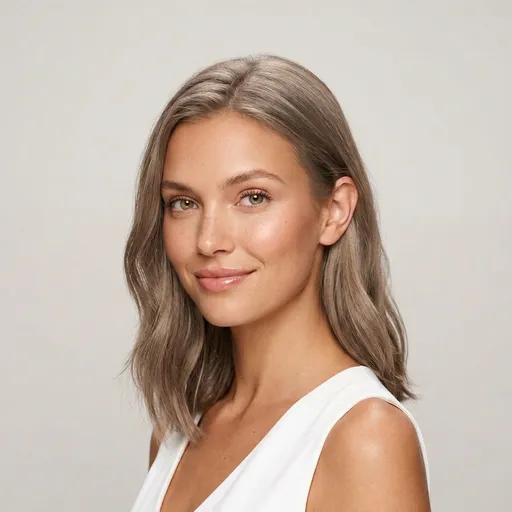
Ash Blonde
Cool-toned — level 8
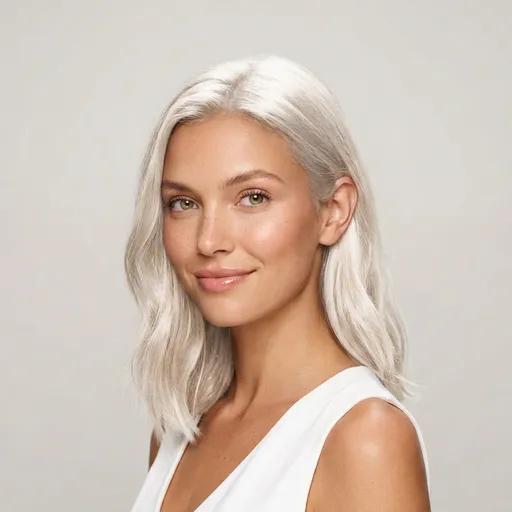
Icy Blonde
Cool-toned — level 10
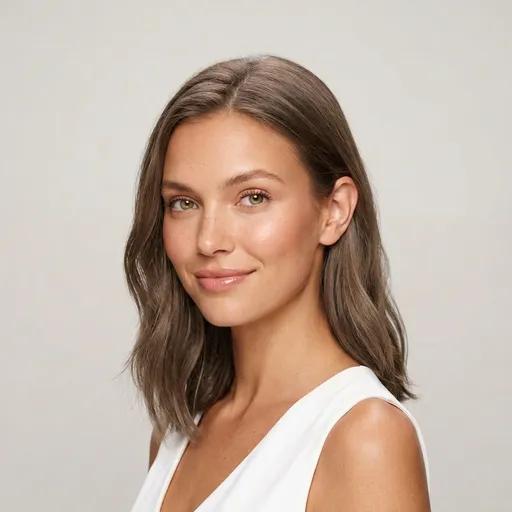
Mushroom Brown
Cool-toned — level 5
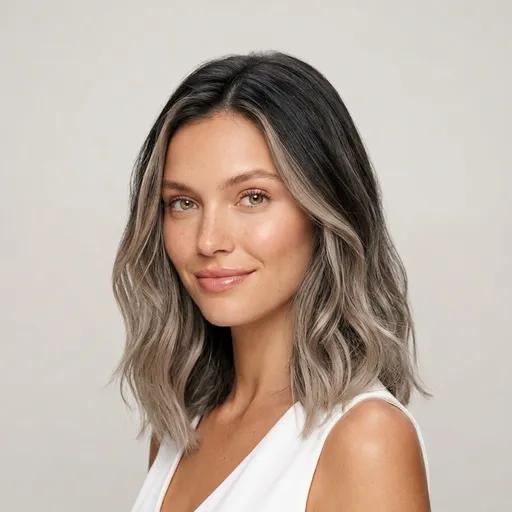
Ash Balayage
Cool-toned — level 8
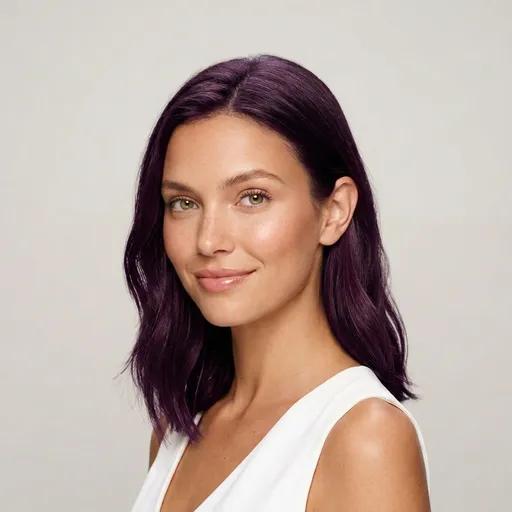
Deep Purple
Cool-toned — level 5
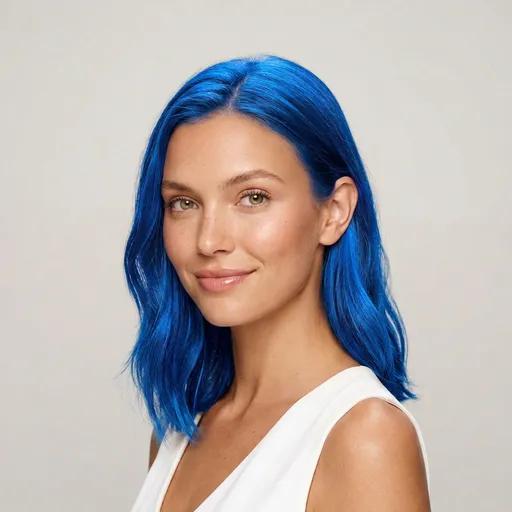
Electric Blue
Cool-toned — level 8
Specifically: Ash blonde, icy blonde, mushroom brown, and cool-toned fashion colors (electric blue, smoky lavender) should be approached with caution. If you have warm skin and love these colors, a professional colorist can sometimes warm-shift the formula — but the standard versions create the least flattering contrast with warm undertones.
Why Warm Hair Colors Complement Warm Skin
The Matching Principle
Professional color theory used by Wella, L'Oréal, Clairol, and Schwarzkopf follows a simple rule: match hair color temperature to skin undertone. Warm skin contains yellow, golden, and peachy pigments (pheomelanin). When hair color contains complementary warm pigments — gold, amber, copper, caramel — both skin and hair amplify each other's warmth, creating a harmonious, luminous effect. This is why 24 of our 27 warm-recommended colors produce a measurable “warms complexion” or “adds glow” skin effect.
The Level System
Hair color operates on a professional Level 1-10 scale (darkest to lightest), codified by the Milady Standard Cosmetology textbook. Our 27 warm-friendly colors span levels 2 to 10 — from deep espresso (level 2) to buttery blonde (level 9). The 2-level rule (Garnier's “Golden Rule”) suggests staying within 2 levels of your natural color for the most flattering, natural-looking results.
The Contrarian Approach
Modern colorists — including eSalon's professional team — sometimes recommend the opposite approach: choosing a hair tone that contrasts with skin undertone to create visual balance. Cool-toned hair on warm skin can create a striking, editorial effect. This complementary approach is valid but higher-risk. If this is your first color change, start with matching (warm on warm) — it's lower risk and almost always looks natural. Our 11 “good” match colors include some neutral and cool tones that experienced colorists can make work on warm skin. The safe way to test the contrarian route is on a photo, not your head: run both temperatures through the AI hair color changer and let the side-by-side decide.
Eye Color Interaction
The color wheel dictates that complementary colors intensify each other. Copper and auburn (warm red tones) sit opposite green on the color wheel, making green and hazel eyes appear dramatically more vivid with warm-toned hair. Warm blondes (honey, golden) create a striking contrast with blue eyes. Brown eyes are the most versatile, enhanced by caramel, toffee, and light warm browns. When choosing a warm color, consider which shade will make your specific eye color pop.
See These Colors on Your Face
Join 50,000+ people who found their perfect hair color. Upload a selfie and try any of our 48 colors in under 30 seconds.
Quick Stats: Warm Skin Color Matches
27
Best matches
out of 48 colors
8wk
Avg touch-up
across best matches
11
Low maintenance
level 1-2 out of 5
15
Naturally achievable
no dye needed
A color chart narrows it down — seeing the shade on your own photo settles it. Upload one selfie to the see which hairstyle suits you with AI and get your 4 best matches in about 30 seconds — free.
Frequently Asked Questions
Can warm skin tones go blonde?
Yes — warm skin tones look stunning with warm-toned blondes like honey blonde, golden blonde, buttery blonde, and strawberry blonde. The key is choosing blondes with gold, amber, or peach undertones rather than ashy or icy ones. Warm blondes at levels 7-9 create a natural sun-kissed effect that complements yellow and golden undertones in the skin. Our catalog includes 7 warm-friendly blonde shades specifically suited to warm undertones, ranging from dirty blonde (level 6, virtually zero maintenance) to buttery blonde (level 9, a luxurious creamy warmth). Avoid platinum and ash blondes, which can make warm skin appear sallow.
What is the vein test for skin tone?
The vein test is a quick way to determine your undertone by examining the veins on the inside of your wrist in natural daylight. If your veins appear predominantly green, you have warm undertones. Blue or purple veins indicate cool undertones. If you see a mix of both green and blue, you likely have neutral undertones. This test works best on lighter skin — it becomes less reliable for deeper skin tones where veins are harder to see. Professional colorists recommend combining the vein test with at least two other methods (jewelry test and white paper test) for the most accurate result.
Is copper hair high maintenance?
Copper is among the highest-maintenance colors, rated 5 out of 5 in our system with touch-ups needed every 4 weeks. Red pigment molecules are the largest in hair dye chemistry, which means they sit on the outer cuticle layer and wash out faster than any other color family. However, soft copper (level 6-7) is more forgiving at 3 out of 5 maintenance, and copper-toned techniques like caramel balayage offer the warm copper effect with only 2 out of 5 maintenance since regrowth blends naturally. If you love the copper look but not the upkeep, consider a caramel or honey balayage as a lower-commitment alternative.
What hair color makes warm skin glow?
Colors with gold, amber, copper, or caramel undertones create the most visible glow on warm skin. The science is straightforward: warm hair tones echo the golden-yellow pigments naturally present in warm skin, creating a harmonious effect that makes both skin and hair appear more luminous. From our analysis, honey blonde, golden blonde, caramel brown, and copper consistently produce 'warms complexion' and 'adds glow' effects across warm skin tones. Chocolate brown is the most universally flattering, working across all undertones while still adding warmth and richness to the complexion.
Should I match or contrast my skin undertone with hair color?
The traditional rule — match warm hair to warm skin — works reliably and is recommended by Wella, L'Oreal, and Schwarzkopf as the safest approach. However, modern colorists also use a contrarian complementary approach: warm golden hair on cool/pink skin can actually reduce visible redness and create visual balance. For warm skin specifically, matching (warm hair + warm skin) creates harmony and glow, while contrasting (cool-toned hair on warm skin) creates a striking, editorial effect. If this is your first color change, start with matching — it's lower risk and almost always looks natural.
Which hair colors look younger on warm skin?
Caramel brown, honey blonde, chestnut brown, and copper all have a 'youthful' aging effect in our metadata — they brighten the face and add dimension that counteracts the flatness that makes features look older. The professional consensus is to go 1-2 levels lighter than your natural color as you age, since darker colors become harsher against maturing skin. Avoid flat, one-dimensional dark colors (especially jet black on lighter warm skin) and overly ashy tones that create a sallow appearance. Multi-dimensional colors with highlights — like honey balayage or caramel balayage — add the kind of natural-looking movement that reads as youthful.
How can I try these hair colors on my photo before committing?
Upload a selfie to HaircutAI and try any of our 48 hair colors on your actual photo in seconds. Our AI uses Google Gemini to realistically apply each color to your hair while preserving your face, skin tone, and lighting — so you can see exactly how honey blonde, copper, or caramel would look on you before booking a salon appointment. The tool analyzes 68 facial data points including your skin tone, making recommendations personalized to your features. It takes about 30 seconds per color, and you can compare multiple shades side by side.
Related Guides
Find Your Perfect Warm-Tone Hair Color
Upload a selfie and try any of our 27 warm-friendly colors on your actual photo — see the result in seconds, not hours at the salon.