

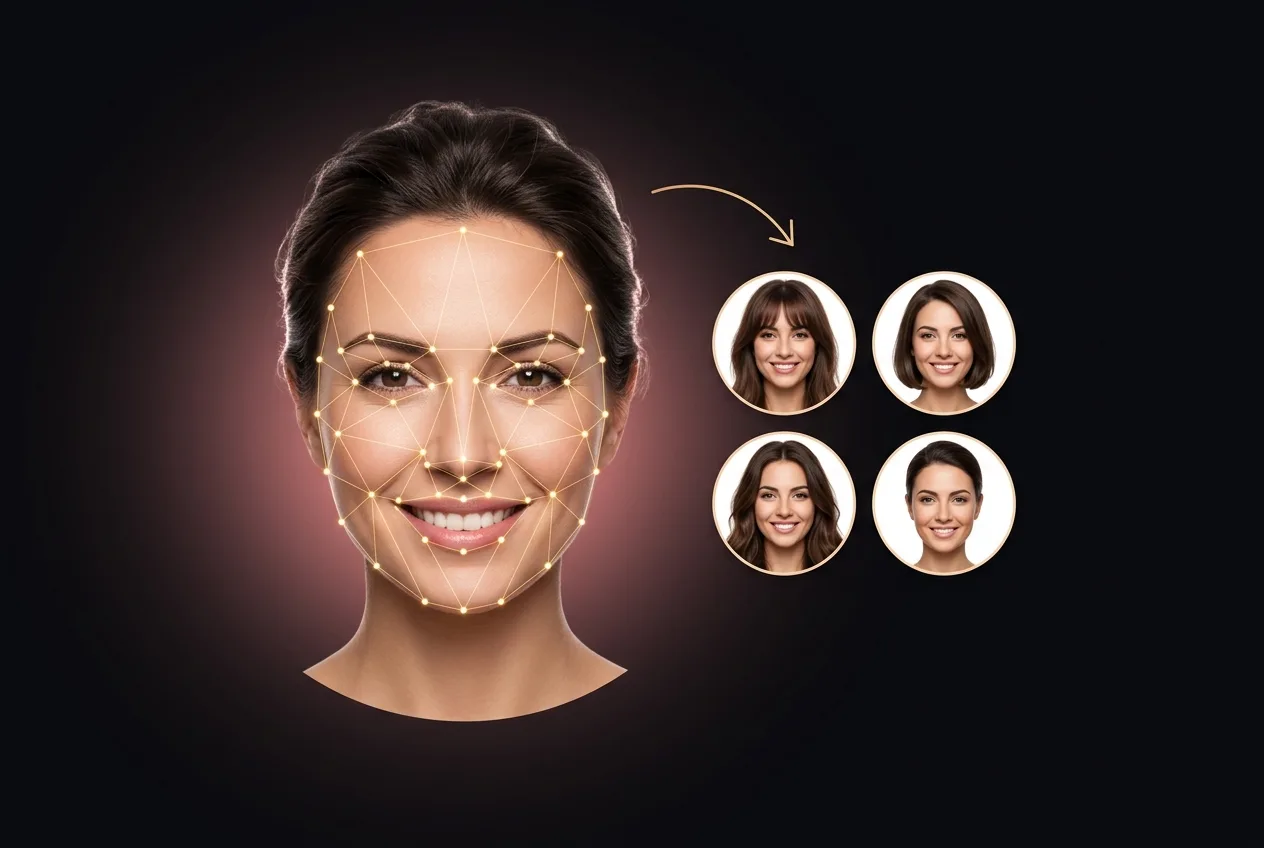
AI Hairstyle Analysis: A Complete Report From One Selfie
An AI hairstyle analysis measures your face instead of guessing at it. From a single selfie, HaircutAI reads 68 landmark points, classifies your face shape, measures six features, and scores 182 styles against your proportions — then hands you the report: what suits you, what to avoid, and the 4 cuts that fit best. Free, in about 30 seconds.
What the Analysis Actually Measures
Style charts hand everyone the same six drawings. A measured analysis starts from your numbers: the 68 landmark points resolve into six concrete feature reads, and each one changes what your report recommends.
| Feature read | Scale | What it changes in your report |
|---|---|---|
| Forehead height | low · average · high | Whether fringe or an exposed forehead flatters you — only 16 of 134 cuts are tagged to cover a high forehead well |
| Jaw definition | soft · angular · pointed · wide | Whether the cut should soften, frame, or sharpen the lower face (29 cuts specifically soften the jaw) |
| Cheekbone prominence | subtle · moderate · prominent | Where volume sits so the cut complements your widest point instead of fighting it |
| Nose prominence | petite · average · prominent | How much face-framing the recommended styles carry |
| Face length | short · average · long | Height vs. width in the silhouette — 45 cuts add height, 51 elongate |
| Face width | narrow · average · wide | Whether sides stay tight or add fullness to balance your proportions |
The six reads combine into your face shape — one of seven categories — which you can also explore manually with the free face shape analyzer.
What Your Hairstyle Analysis Report Contains
The output is a report, not a single label. Seven sections, each derived from your measurements:
Face shape classification
One of seven shapes — oval, round, square, heart, diamond, rectangle, or triangle — with a written explanation of your proportions.
Six feature reads
Forehead, jaw, cheekbones, nose, face length and width — each on its own scale, so you know which recommendations exist because of which feature.
Your best features
The analysis names what to emphasize — the report is built around playing to strengths, not correcting flaws.
Hair texture & length read
Your current texture (straight, wavy, curly, or coily) and length, used to filter recommendations to cuts that work with your hair — 54 of our 134 cuts are curly/coily-first.
What to avoid, and why
The specific silhouettes that work against your shape, each with the geometric reason — the section most people screenshot for their stylist.
4 matched cuts with scores
Your best matches from 182 styles, each with a match score and a written why — then you can try every one of them on your own photo.
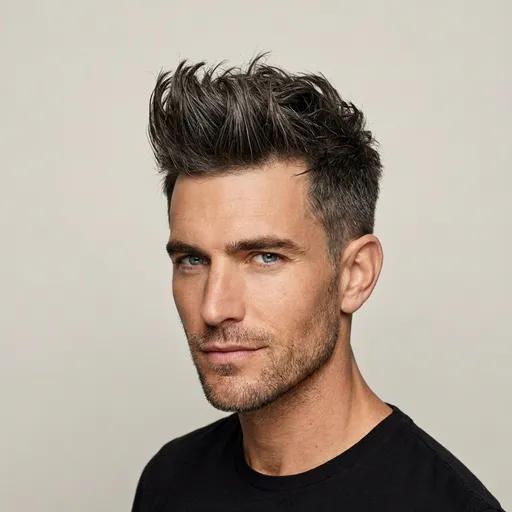
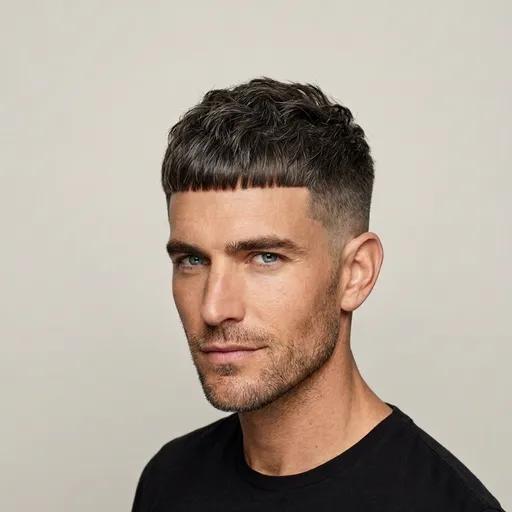
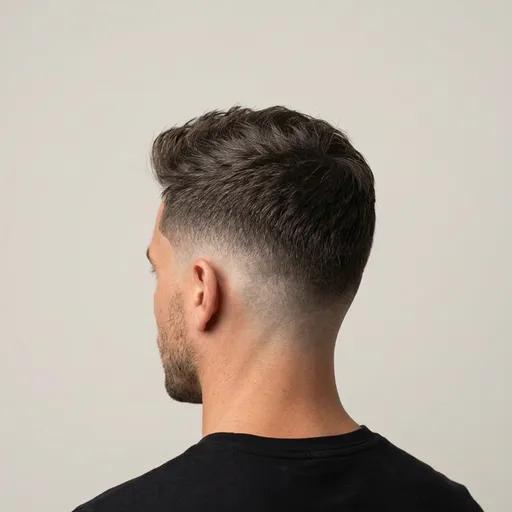
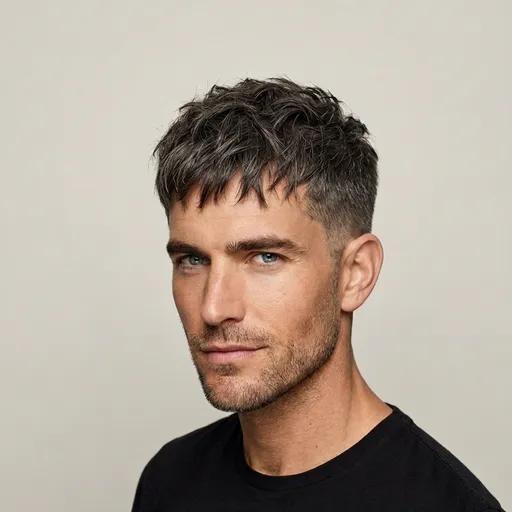
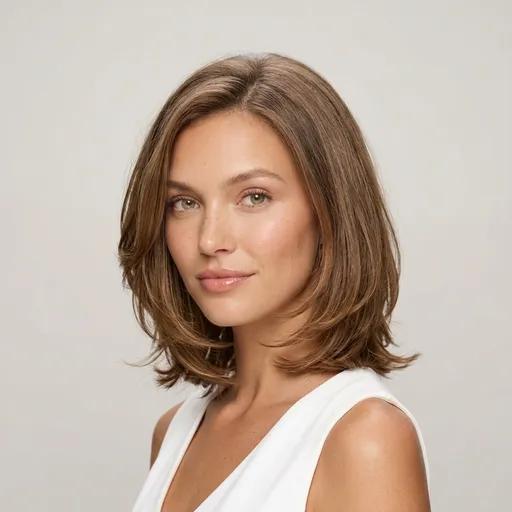
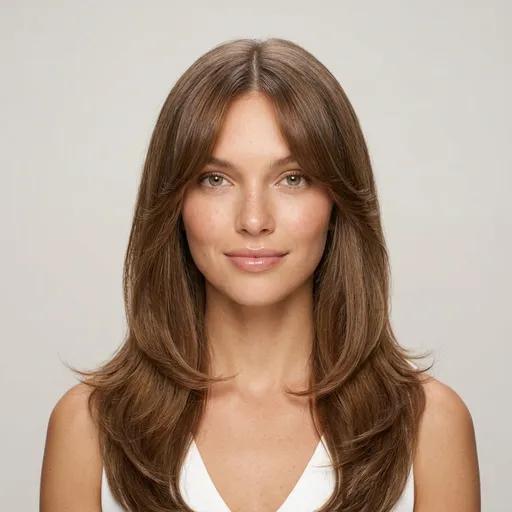
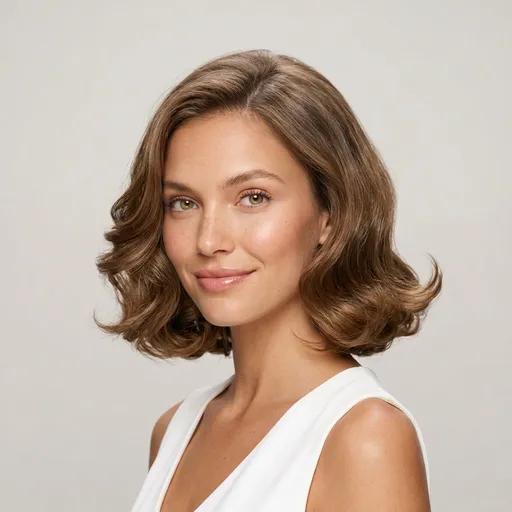
Example cuts the analysis matches, from the 182-style library:
The Data Behind the Scoring
Every one of the 182 styles in the library — 134 cuts (79 women's, 55 men's) and 48 colors — carries structured compatibility data: which face shapes it flatters, what it visually does, which hair types it works with, and what it costs to maintain. Your analysis is scored against all of it.
Oval face
cuts score "best" — the most versatile shape in the catalog
Round face
cuts score "best" — cuts that add height and vertical lines
Square face
cuts score "best" — texture and movement to soften the jaw
Heart face
cuts score "best" — styles that add fullness at the jawline
Oblong face
cuts score "best" — width and fringe to shorten the face visually
Diamond face
cuts score "best" — volume at the forehead and chin
How the Free Analysis Works
Upload a selfie
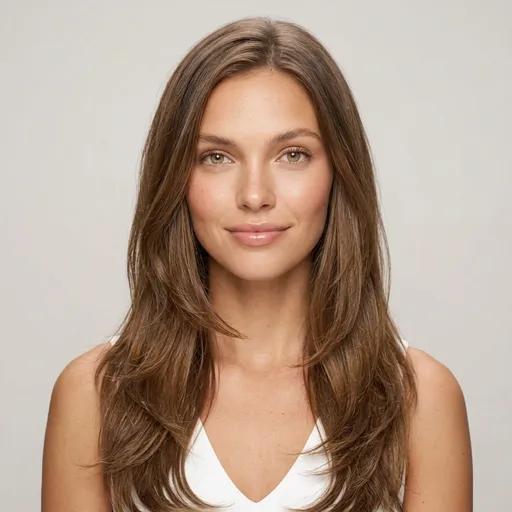
One clear, front-facing photo in decent lighting. That single photo is all the analysis needs — no questionnaire.
The AI measures 68 points
Landmark detection maps your jawline, forehead, cheekbones, and face outline, computes your proportions, and classifies your face shape.
Read your report — then try the cuts on
Face shape, six feature reads, what to avoid, and 4 matched cuts with scores. Every recommendation can be previewed on your own photo.
What the Analysis Can't Tell You
A photo-based analysis measures geometry — it cannot feel your hair. Density, growth patterns, cowlicks, and how your hair behaves when it dries are things only hands in your hair can assess. If your texture reads ambiguously in a photo (fine waves in flat lighting, for example), the texture read can be off by one category.
It also isn't a hair-health tool: it won't diagnose damage, thinning, or scalp conditions. And while the report tells you which silhouettes fit your proportions, the final call on how a specific cut translates to your hair belongs to your stylist — which is why the report is designed to be brought to the salon, not to replace it.
Prefer suggestions over a full report? The AI hairstyle recommender skips straight to your 4 matched cuts. Want to explore manually instead? Take the hairstyle quiz or try styles on your photo directly.
Frequently Asked Questions
What is an AI hairstyle analysis?
An AI hairstyle analysis is a measured report on which hairstyles fit your face, produced from a single selfie. HaircutAI reads 68 facial landmark points, classifies your face shape, and measures six features — forehead height, jaw definition, cheekbone prominence, nose prominence, face length, and face width. Those measurements are scored against 182 styles to produce your report: your shape, your standout features, what to avoid, and your 4 best-matched cuts.
Is the AI hairstyle analysis really free?
Yes. The full analysis — face shape classification, all six feature reads, the styles-to-avoid guidance, and your 4 matched cuts — is free and takes about 30 seconds. Trying styles on your own photo beyond the analysis uses credits or a subscription, but the report itself costs nothing and there is no payment required to see it.
What exactly is in the analysis report?
The report contains seven things: your face shape (one of seven categories), six individual feature measurements, a callout of your best features, a read of your current hair texture and length, a skin tone read, specific guidance on what to avoid and why, and 4 recommended hairstyles — each with a match score and a written explanation of why it fits your proportions.
How does the AI analyze my face from one photo?
The AI maps 68 landmark points across your jawline, forehead, cheekbones, nose, and face outline. From those points it computes proportions — like forehead-to-chin ratio and width-to-length ratio — that determine your face shape and feature profile. That geometry is then scored against the structured compatibility data of 182 styles, the same logic a stylist applies by eye, done numerically in under 10 seconds.
Can the analysis tell me which hairstyles to avoid?
Yes — the avoid guidance is a core part of the report, not an afterthought. Every face shape has cuts that work against it: chin-length blunt bobs widen round faces, heavy straight bangs shorten long faces, and extra crown height exaggerates oblong proportions. Your report names the specific silhouettes to skip for your shape and explains the geometric reason, so you can push back confidently in the salon chair.
Does the analysis cover hair color too?
The report includes a skin tone read, and the app's library includes 48 colors tagged by undertone — 27 score best for warm undertones and 20 for cool. You can try any of them on your own photo. A dedicated seasonal color analysis is a separate, deeper report focused on your full palette rather than hairstyles.
How accurate is AI hairstyle analysis compared to a stylist?
For geometry — face shape, proportions, which silhouettes balance them — the AI measures what a stylist estimates, and it does so consistently. What it cannot do is put hands in your hair: density, growth patterns, and cowlicks still need an in-person read. The strongest workflow is both: bring your analysis report and matched cuts to the salon, and let your stylist adapt them to your hair's behavior.
What happens to my photo after the analysis?
Your photo is used to run your analysis and power your try-on previews — it is never sold, shared, or used to train models for other users. It stays tied to your account so you can generate new looks without re-uploading, and you can delete it (and your account) at any time from settings.
Related Tools
Get Your Free Hairstyle Analysis
One selfie. 68 points measured. A full report with your face shape, your best features, what to avoid, and the 4 cuts that fit you — free, in 30 seconds.