

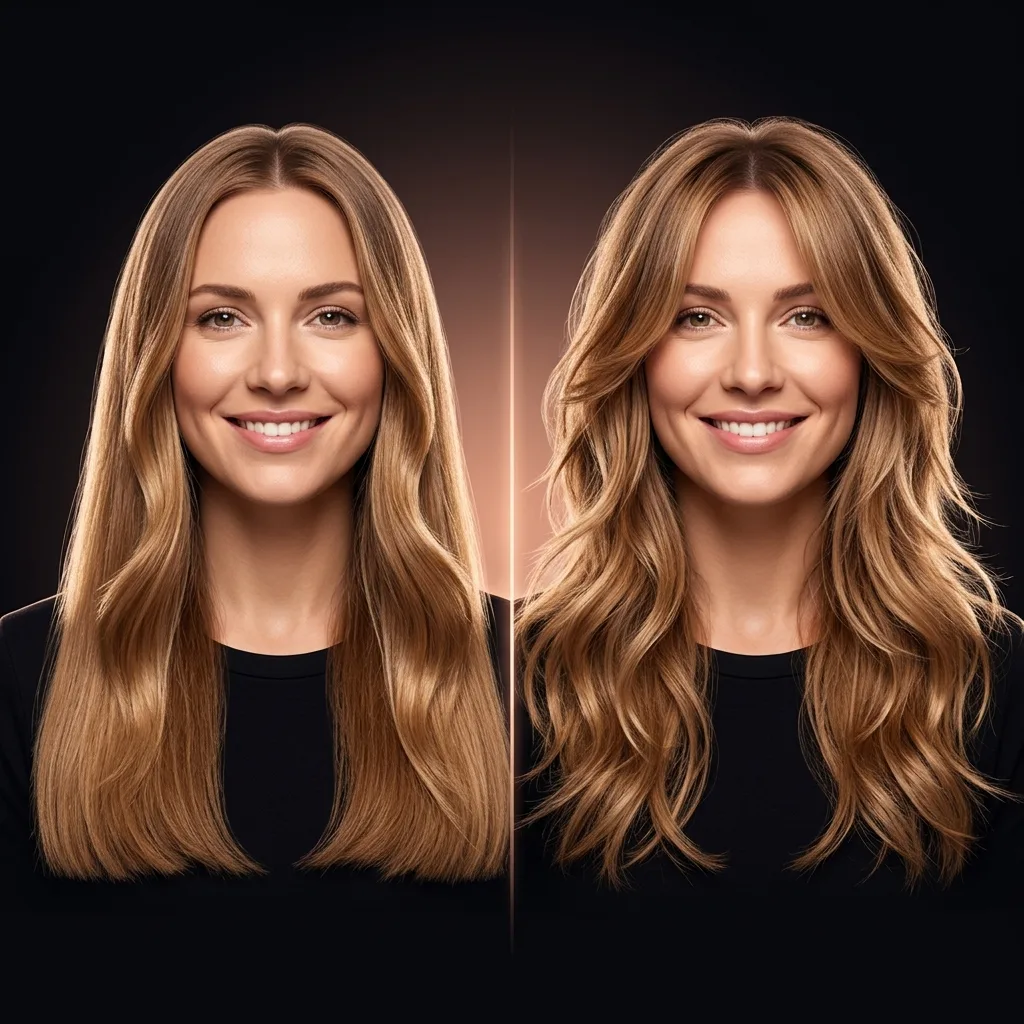
Layers vs No Layers: Which Suits You?
Last updated: April 2026
Choose layers if you want volume, jaw-softening movement, and face framing. Choose a one-length cut if you want a sleek silhouette, easier upkeep, and facial elongation. Layers suit heart, square, and diamond faces best. Non-layered cuts favor oval and round faces. Here's the full comparison from our analysis of 23 layered and 56 non-layered styles.
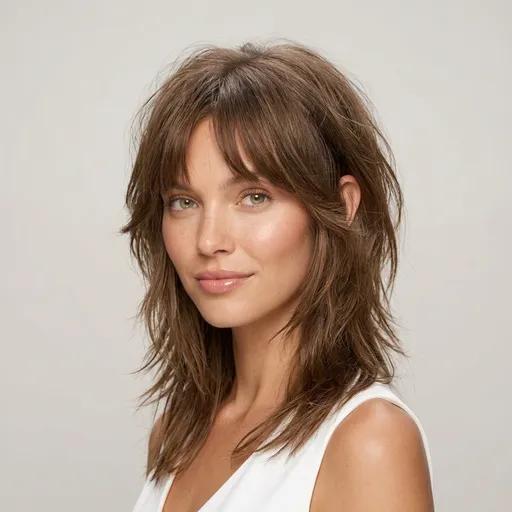
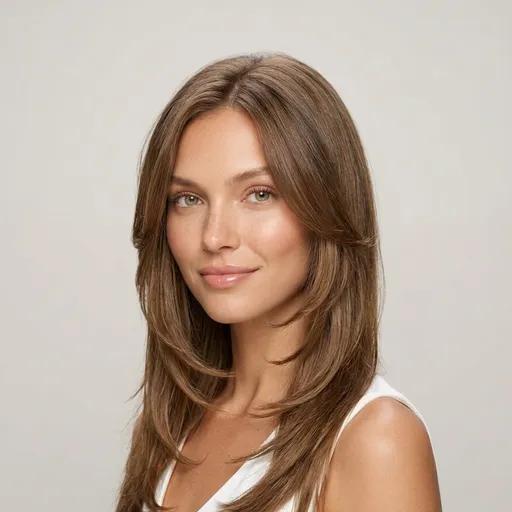
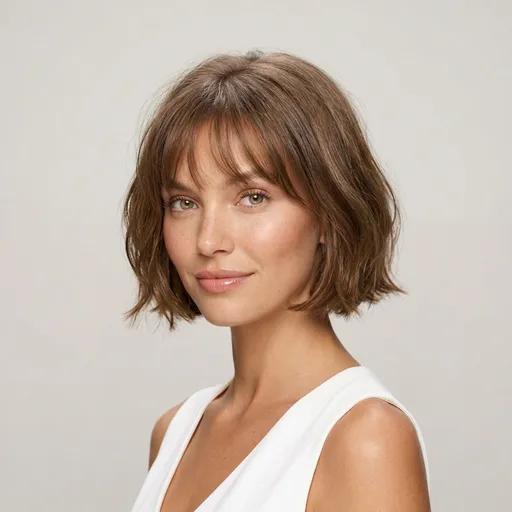
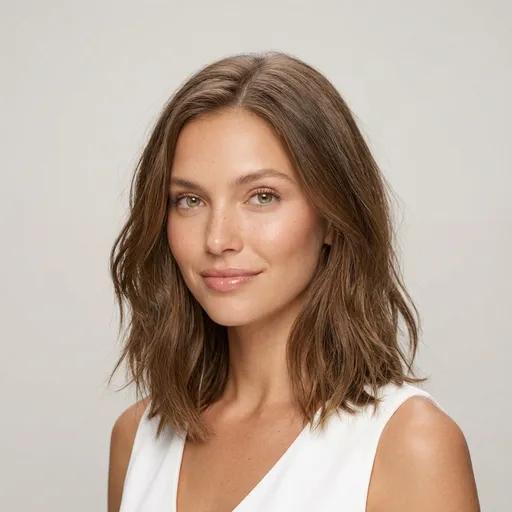
Layered
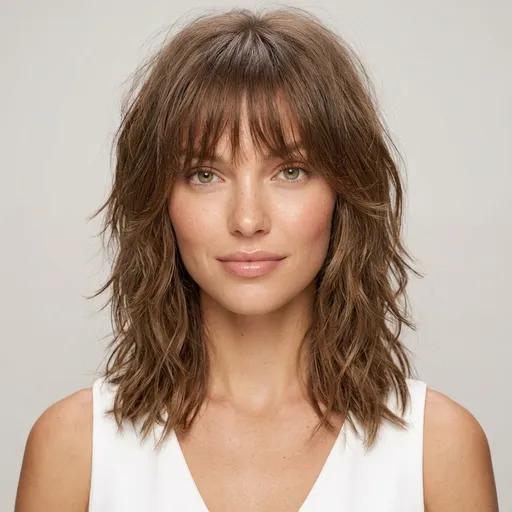
Wolf Cut
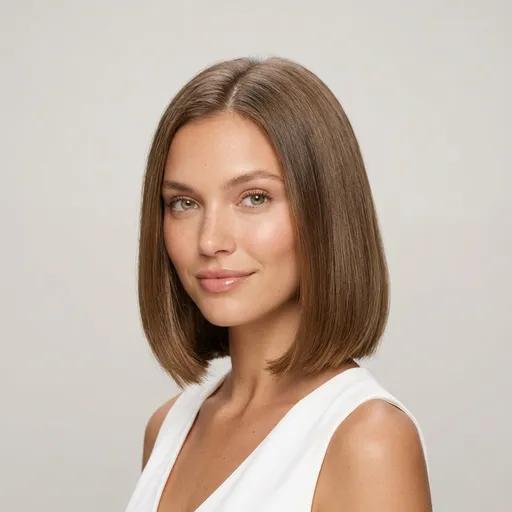
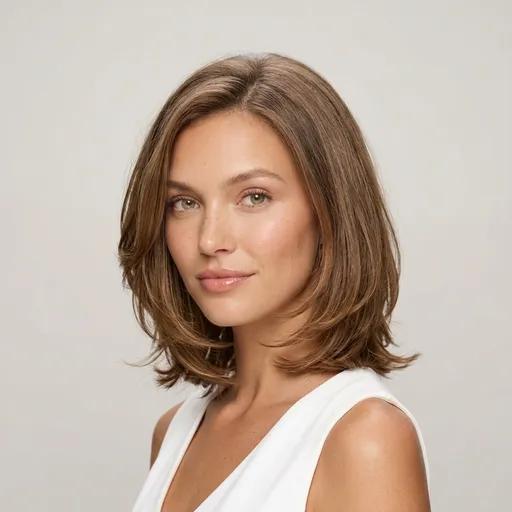
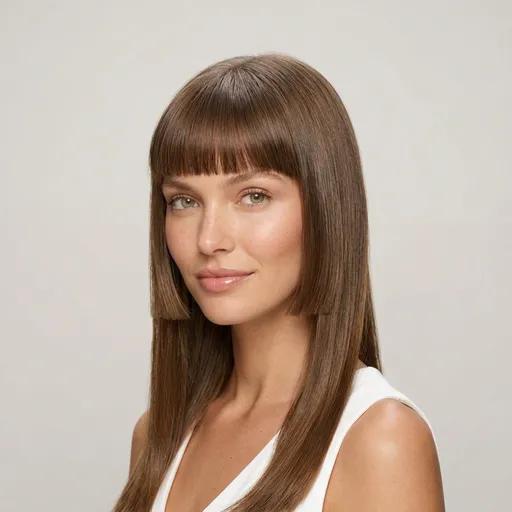
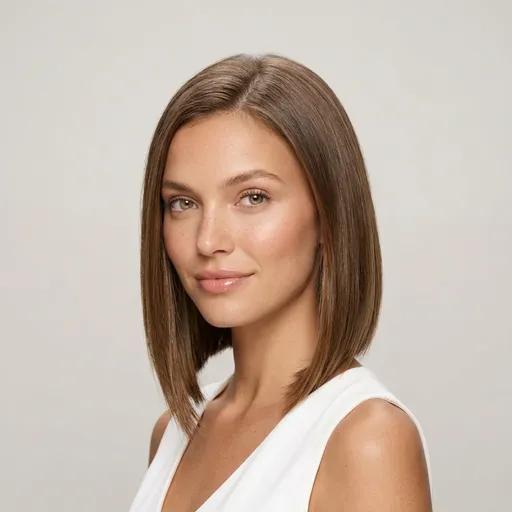
Non-Layered
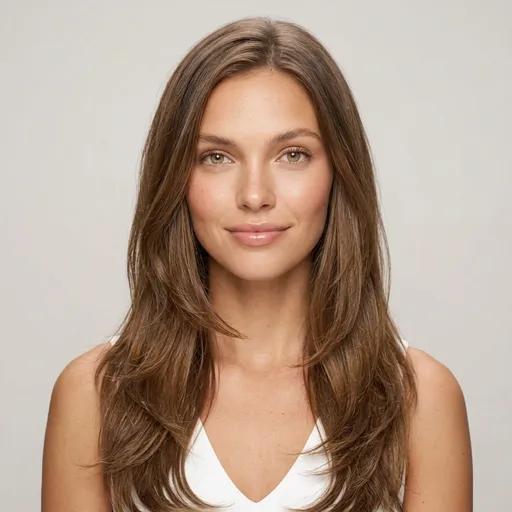
Blunt Bob
Layers vs No Layers: Side-by-Side Comparison
| Attribute | Layered (23 styles) | Non-Layered (56 styles) |
|---|---|---|
| Volume | 87% medium–high | 45% low volume |
| Best face shapes | Oval (70%), Heart (61%), Square (48%) | Oval (93%), Round (46%), Long/Oblong (34%) |
| Softens jawline | 65% of styles | 25% of styles |
| Elongates face | 22% of styles | 48% of styles |
| Face framing | 78% include face framing | 43% include face framing |
| Avg. trim cycle | Every 7.3 weeks | Every 4.3 weeks |
| Maintenance level | 48% low, 43% medium | 55% low, 27% medium |
| Best hair types | Wavy (2A–2B), straight (1C) | Straight (1C), wavy (2A), coily (4A–4C) |
When to Choose Layers
Layers are your best move when you want to add volume, soften angular features, or create movement without relying on heat styling. 65% of layered styles in our catalog soften the jawline — making them the go-to for square, heart, and diamond face shapes. They also cover the forehead in 35% of styles, which is 2.5x the rate of non-layered cuts.
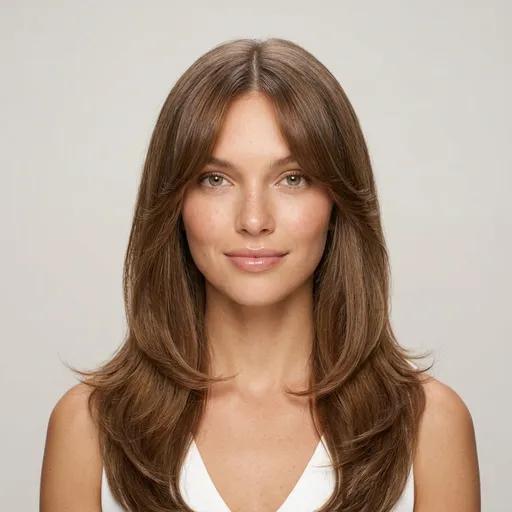
You have a square, heart, or diamond face — 48%+ of layered styles are rated "best" for these shapes
You want volume — 87% of layered styles produce medium to high volume
You have wavy hair (types 2A–2B) — this is the #1 compatible hair type for layered cuts
You want face framing — 78% of layered styles include face-framing pieces
You want low daily styling effort — layers create natural movement that air-dries well
Top Layered Hairstyles to Try
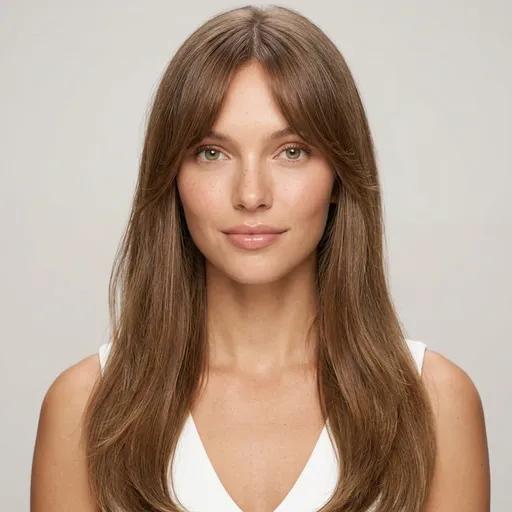
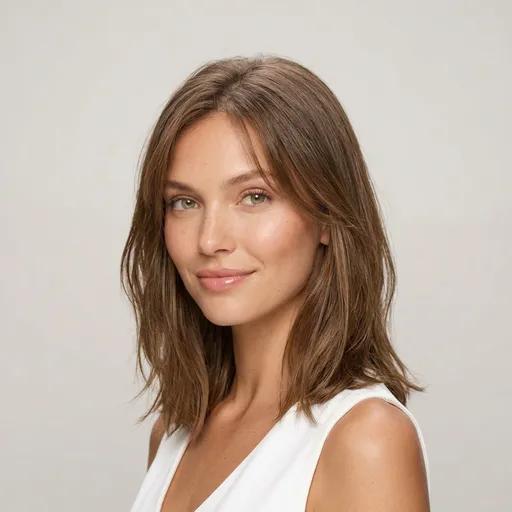
Not sure which suits your face? Upload your photo — we'll show you both layered and non-layered styles on your actual face in seconds.
When to Skip Layers
One-length cuts excel at elongating the face, creating a sleek silhouette, and making fine hair appear thicker. 48% of non-layered styles in our data produce an elongating effect — more than double the 22% rate of layered cuts. With an average trim cycle of just 4.3 weeks (vs 7.3 for layers), they also tend to be simpler to maintain structurally.
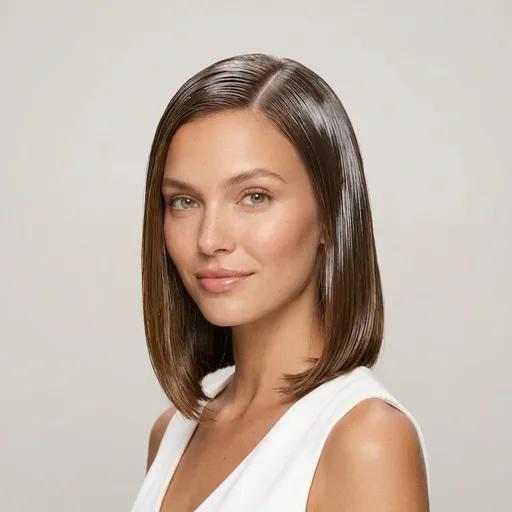
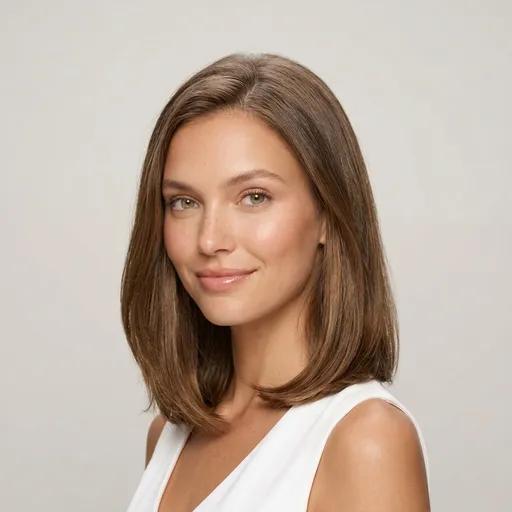
You have a round or oblong face — 46% of non-layered styles are rated "best" for round faces, and sleek lines elongate without adding width
You have fine or thin hair — a blunt perimeter creates the illusion of thickness at the ends
You want minimal styling — 55% of non-layered styles are low-maintenance
You have coily hair (4A–4C) — non-layered cuts work with a wider range of textures without disrupting curl patterns
You prefer a polished, structured look — sleek bobs and one-length cuts are inherently sharp
Top Non-Layered Hairstyles to Try
Layers vs No Layers by Face Shape
Round Face →
Use with caution. 61% of layered styles list round as a shape to avoid because layers add width at the cheeks. If you want layers, keep them long — below the chin — so they elongate rather than widen.
Strong choice. Sleek bobs and one-length cuts create vertical lines that slim and elongate. 46% of non-layered styles are rated 'best' for round faces.
Oval Face →
Excellent. 70% of layered styles are rated 'best' for oval faces. Ovals can wear virtually any layered cut — from heavy wolf cuts to light face-framing layers.
Also excellent. 93% of non-layered styles are rated 'best' for oval faces. Oval is the most versatile shape — you truly can choose based on preference.
Square Face →
Highly recommended. Layers soften strong jawlines — 65% of our layered styles produce this effect. Face-framing layers and curtain bangs are especially flattering.
Possible but selective. Hard geometric lines can emphasize an angular jaw. Choose a lob or wavy bob to introduce softness while keeping a one-length structure.
Heart Face →
Top tier. 61% of layered styles are rated 'best' for heart faces. Layers around chin level balance a wider forehead and narrow chin. Butterfly cuts and curtain bangs are particularly flattering.
Works well in bobs. Chin-length non-layered cuts add visual weight at the jaw, balancing a pointed chin. 25% of non-layered styles are rated 'best' for heart faces.
Diamond Face →
Great match. 39% of layered styles are rated 'best' for diamond faces. Layers add width at the forehead and chin where diamond faces are narrow, creating balance.
Limited options. Only 5% of non-layered styles are rated 'best' for diamond faces. The structured lines can emphasize narrow forehead and chin.
Long / Oblong Face →
Selective. Layers that add width (like modern shags) work well, but long, straight layers can make a long face appear even longer. Add volume at the sides, not length.
Good fit. 34% of non-layered styles are rated 'best' for oblong faces. Chin-length bobs and structured cuts create a horizontal break that shortens the face visually.
Layers vs No Layers by Hair Type
Straight Hair (1A–1C)
Layers add movement and prevent a flat, heavy look. Light layers work best for fine straight hair (1A); heavier layers suit coarse straight hair (1C). 14 out of 23 layered styles in our data list 1C as 'works best.'
Creates maximum density at the ends — ideal for fine straight hair that needs to look thicker. Blunt bobs and sleek cuts are practically designed for straight textures.
Wavy Hair (2A–2C)
The sweet spot for layers. 87% of layered styles work best with wavy hair types (2A–2B). Layers enhance natural wave patterns and reduce bulk without losing body. Wolf cuts, shags, and butterfly cuts all shine on wavy hair.
Can flatten natural wave patterns or create an uneven look as waves pile up at the same length. Wavy bobs and lobs work well, but very long one-length cuts may weigh down waves.
Curly Hair (3A–3C)
Strategic layers prevent the triangle shape that curly hair is prone to. Must be cut dry by someone who understands curl shrinkage. Our curly wolf cut and curly curtain bangs are designed for these textures.
Maintains curl integrity and avoids disrupting curl clumps. Good for tighter curl patterns (3B–3C) where layers can create unpredictable shrinkage and undefined sections.
Coily Hair (4A–4C)
Less common and harder to execute well. Layers in coily hair require a specialist and can create uneven density. Only 4 of our 23 layered styles list 4A–4C as compatible.
The clear winner for coily textures. Non-layered cuts work with all 4A–4C types — protective styles, TWAs, and wash-and-gos all rely on uniform length for structure and definition.
Not Sure? Try Both Looks on Your Face
Join 50,000+ people who found their perfect hairstyle. Upload a selfie and compare layered vs non-layered styles on your actual photo — in under 30 seconds.
Layers change how your face reads — see the difference on your own photo before deciding. Upload one selfie to the get free AI haircut suggestions and get your 4 best matches in about 30 seconds — free.
Frequently Asked Questions
Do layers make thin hair look thinner?
Light, face-framing layers can actually make thin hair look fuller by creating movement and the illusion of volume. Heavy layers on very fine hair can backfire — removing too much weight leaves ends looking wispy and sparse. From our catalog, 48% of layered styles produce medium volume and 30% produce high volume, compared to 45% of non-layered styles sitting at low volume. The key is strategic placement: layers around the crown and face add lift where it matters without thinning the ends.
Are layers high maintenance?
Layered cuts average 7.3 weeks between trims compared to 4.3 weeks for non-layered styles — but that number is misleading. Many layered cuts (48% in our data) are classified as low maintenance because layers grow out gracefully. Non-layered cuts like blunt bobs need frequent trims to keep that clean perimeter sharp. The real maintenance difference is in daily styling: layers need less heat styling because they create natural movement, while one-length cuts often require a flat iron or curling iron to avoid looking flat.
Which face shapes look best with layers?
Based on our analysis of 79 women's hairstyles, layered cuts work best for oval faces (70% rated 'best'), heart faces (61%), and square faces (48%). Layers soften strong jawlines — 65% of our layered styles produce this effect — and add width that balances narrow chins. Round faces should approach layers cautiously: 61% of layered styles list round as a face shape to avoid, because added width around the cheeks emphasizes roundness. For round faces, opt for long layers below the chin that elongate rather than widen.
Can curly hair have layers?
Yes, but technique matters. Layered cuts work best with wavy hair types (2A-2B), which represent the most compatible hair types in our data. For tighter curls (3A-3C), layers need to be cut dry and strategically placed to avoid the dreaded triangle shape. Our wolf cut and curly wolf cut are specifically designed for curly textures. Non-layered cuts actually work with a wider range of textures — including types 4A-4C — because they don't disrupt the curl pattern with uneven weight distribution.
Should I get layers or keep one length for a bob?
It depends on your face shape and hair texture. A layered bob adds volume and movement — great for heart, square, and diamond faces that benefit from softened angles. A blunt bob creates a sleek, structured look that elongates the face, making it ideal for oval and oblong shapes. If you have fine, straight hair, a blunt bob creates the illusion of thickness at the ends. If you have wavy or thick hair, a layered bob removes bulk and adds bounce. The best way to decide is to try both on your actual photo.
Do layers add or remove volume?
Layers do both, depending on placement and hair type. Heavy layers (like wolf cuts and shags) add dramatic volume — 30% of our layered styles are classified as high-volume. Light layers (like face-framing layers and hush cuts) create subtle movement without changing overall density. In our data, 87% of layered styles produce medium or high volume versus only 55% of non-layered styles. For thick hair, layers remove bulk and make styling easier. For fine hair, strategic layering at the crown adds lift that one-length cuts simply can't achieve.
How can I see what layers vs no layers would look like on me?
Upload a selfie to HaircutAI and try both layered and non-layered styles on your actual face — in under 30 seconds. Our AI analyzes 68 facial data points including your face shape, jawline, and forehead proportions, then generates photorealistic previews of each style. You can compare a layered wolf cut against a sleek blunt bob side-by-side on your photo, so you know exactly what works before committing to a cut.
Related Guides
Find Your Perfect Cut — Layered or Not
Upload a selfie and our AI will analyze your face shape, hair type, and features to recommend the styles that work best for you.