

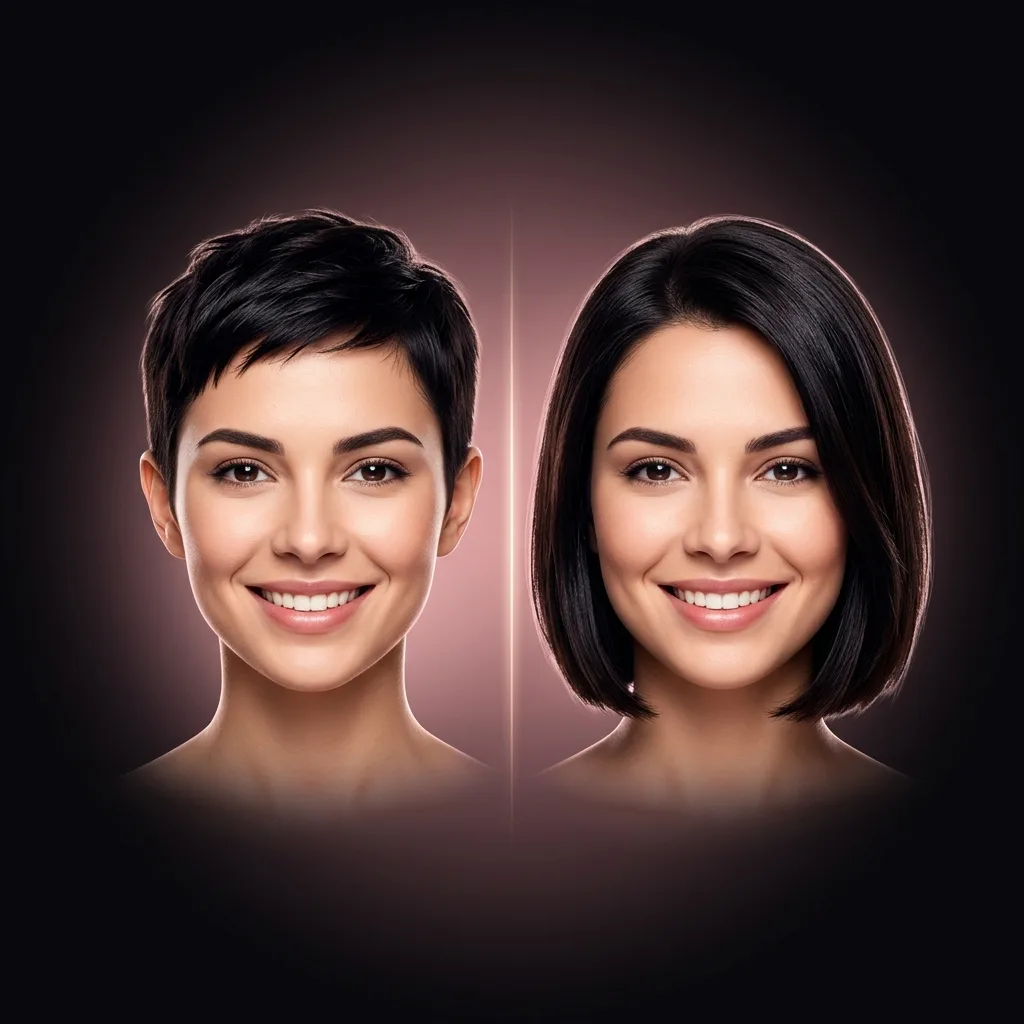
Pixie vs Bob: How Short Should You Really Go?
Last updated: April 2026
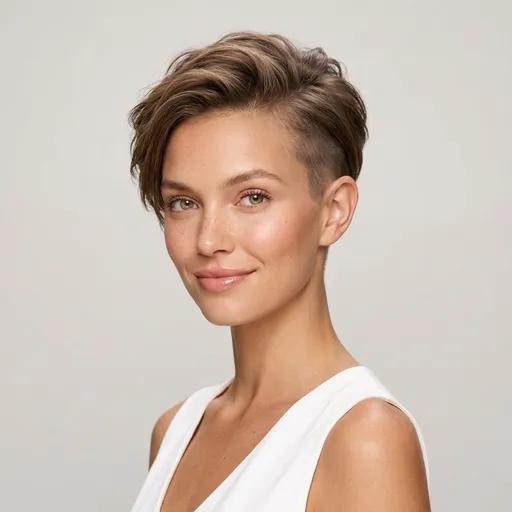
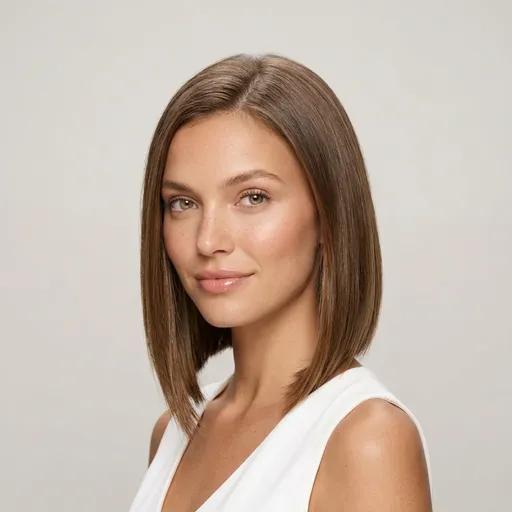
A pixie is cut above the ears for a face-baring, dramatic look — a bob ends at the chin or jaw, framing the face with more coverage. Pixies average 4.4-week trims and 60% elongate the face. Bobs offer 12 variations (2.4x more than pixies), average 5.9-week trims, and handle curly hair far better. Both are major commitments — but growing out a pixie takes 6-12 months longer.
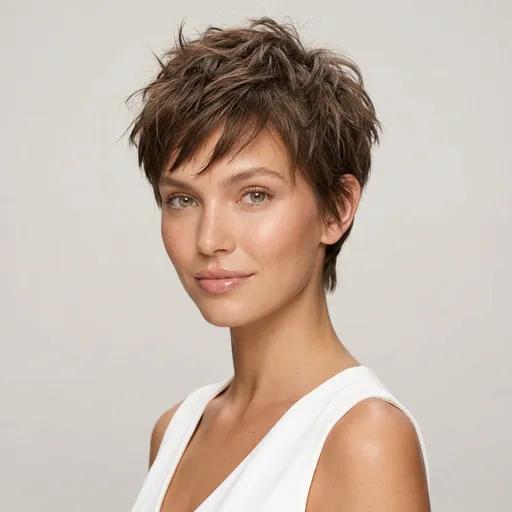
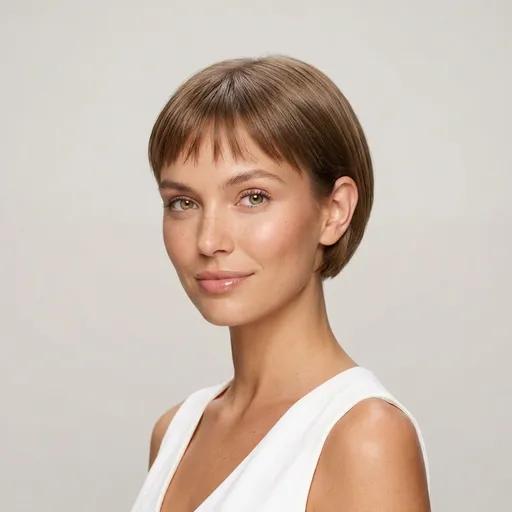
Pixie
Textured Pixie
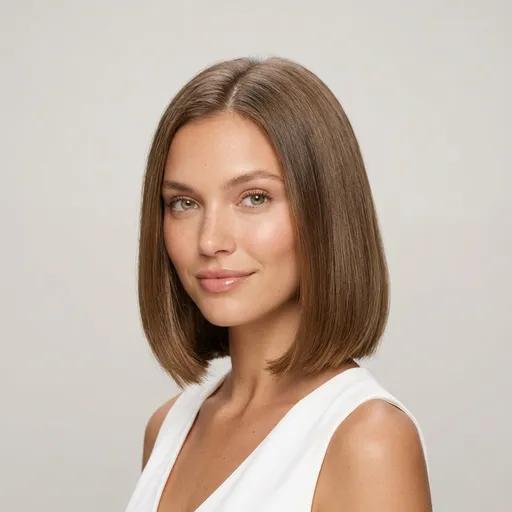
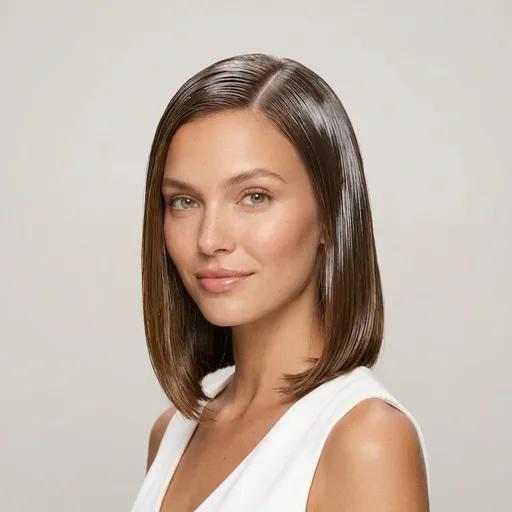
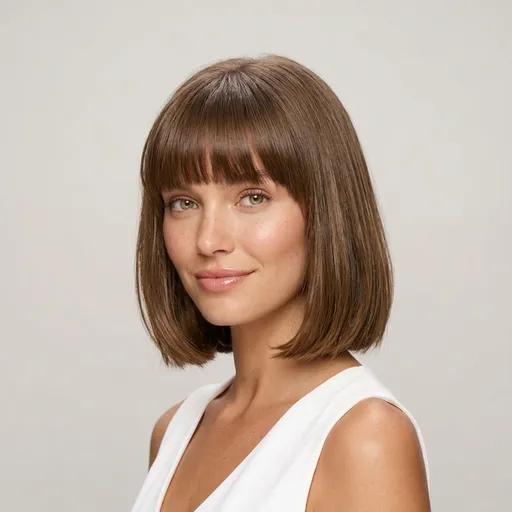
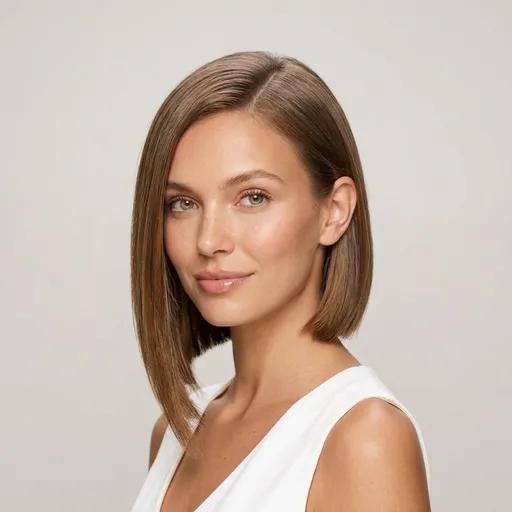
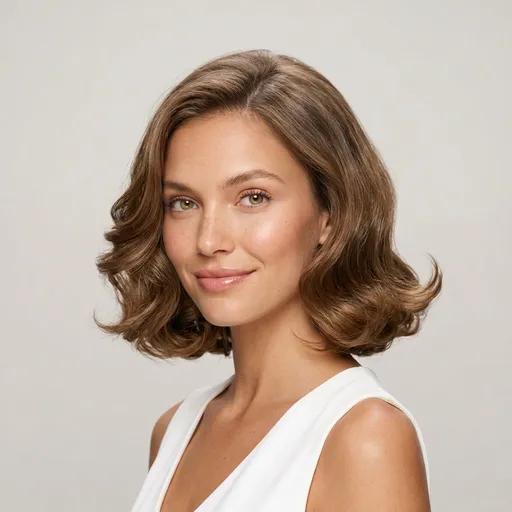
Bob
Blunt Bob
Pixie vs Bob: Side-by-Side Comparison
| Attribute | Pixie | Bob |
|---|---|---|
| Length | Very short — above the ears | Chin to jaw — at or below the ears |
| Avg. trim cycle | Every 4.4 weeks | Every 5.9 weeks |
| Maintenance level | 2 high / 1 low (of 5) | 3 high / 3 low (of 12) |
| Elongates face | 60% of styles | 33% of styles |
| Softens jaw | 40% of styles | 42% of styles |
| Style variety | 5 types | 12 types — 2.4x more variety |
| Can tie back | No — too short | Some bobs barely — most are too short |
| Grow-out ease | Difficult — long awkward stage to bob length | Moderate — transitions to lob naturally |
| Commitment level | Very high — months to grow back | High — but shorter grow-out than pixie |
All 5 pixie + 12 bob types in our catalog
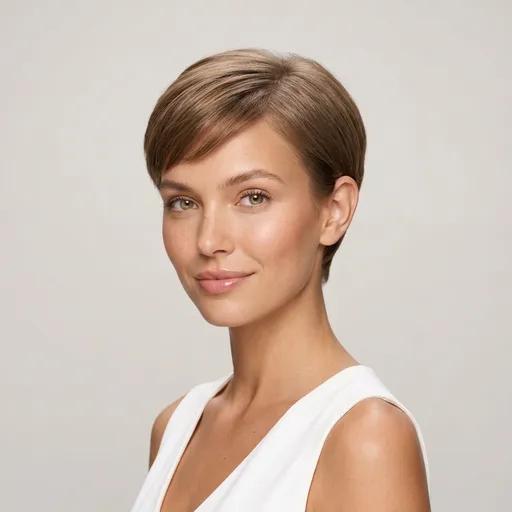

When to Choose a Pixie
A pixie is for when you want the most dramatic short cut possible — face fully exposed, features front and center. 60% of pixie styles elongate the face, and 40% add vertical height. It's the ultimate “less is more” cut.
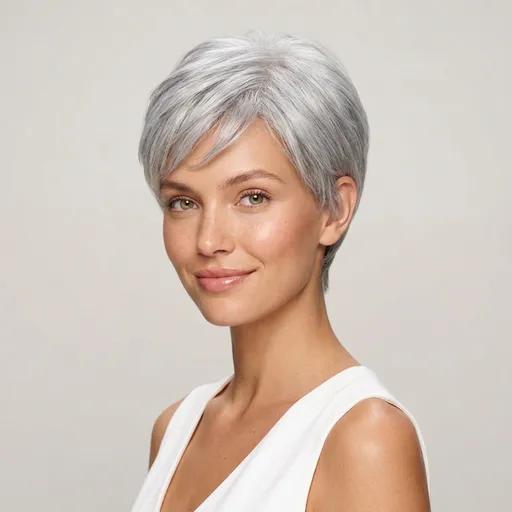
Oval or heart face
5/5 pixies score "best" for oval, 4/5 for heart. These shapes handle full face exposure beautifully — the balanced proportions of oval faces and the cheekbone emphasis of heart faces are enhanced, not exposed.
You want a total transformation
A pixie is the most dramatic haircut you can get. It changes how you look, how people perceive you, and how you interact with your hair. If you want a fresh start, nothing matches a pixie.
Fine, straight hair (1A-2A)
Pixies are practically designed for fine hair. The short length means every strand counts, so fine hair looks fuller and more intentional. You can't hide thin ends in a pixie — and you don't need to.
Minimal daily styling
1/5 pixies are "low maintenance" daily — wash, tousle, go. The trade-off is more frequent salon visits (every 4.4 weeks) to keep the shape.
When to Choose a Bob
A bob gives you the impact of going short with more face-framing coverage and variety. With 12 types in our catalog — from the sleek blunt bob to the textured shaggy bob to the curly bob — there's a bob for every texture and face shape. 42% soften the jawline and 58% add width.
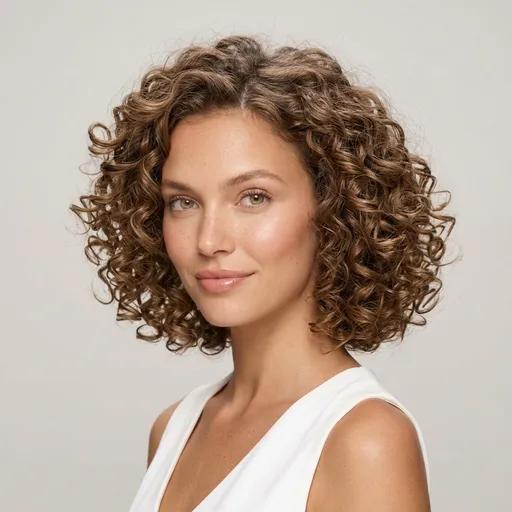
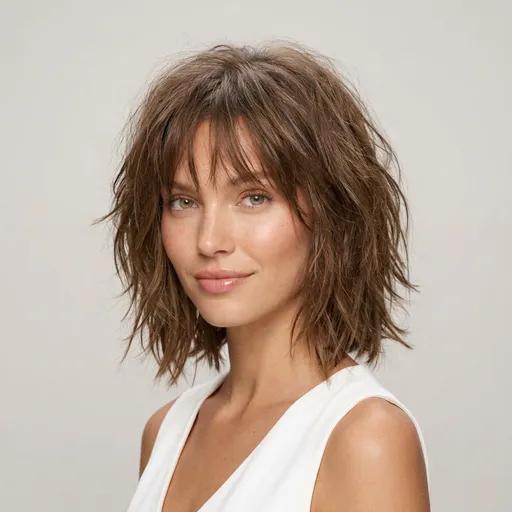
Curly or wavy hair
Bobs handle texture far better than pixies. The curly bob (3A-3C) and wavy bob (2A-2C) are designed for these types. Pixies with curly hair are unpredictable and require specialist cutting.
Round face
2 bob styles score "best" for round faces vs just 1 pixie. Bobs like the a-line and asymmetrical create elongating lines that slim round faces — pixies expose the full face shape.
You want face-softening coverage
42% of bobs soften the jawline vs 40% of pixies. Bobs frame and flatter; pixies expose and define. If you want to soften angular features, bobs are better.
Easier grow-out path
Growing out a bob transitions naturally into a lob — a matter of weeks. Growing out a pixie means 6-12 months of awkward in-between stages. If commitment anxiety is a factor, start with a bob.
The Bixie: Can't Decide? Meet the Middle Ground
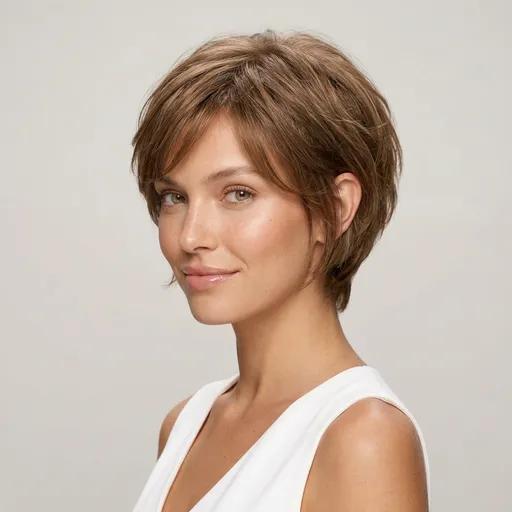
The bixie sits between a pixie and a bob — ear-to-jaw length with layered volume on top and a tapered nape. It gives you the “went short” drama of a pixie with the face-framing softness of a bob. It's also the natural transition cut if you're growing out a pixie and want to look intentional during the awkward phase. Still working up the nerve for any of the three? You can see yourself with short hair on your own photo before a single scissor moves.
The bixie adds width at cheekbone level and softens features — making it more forgiving than a classic pixie for square and diamond face shapes.
Can't Decide? Try All Three on Your Face
Pixie, bob, or bixie — upload a selfie and compare them all on your actual face. Photorealistic AI preview in 30 seconds.
Join 50,000+ people who found their perfect hairstyle
All 5 Pixie Styles to Try On


Quick Decision Guide
Get a pixie if you…
- +Want a total transformation
- +Have an oval or heart face
- +Have fine, straight hair (1A-2A)
- +Want minimal daily styling time
- +Are okay with trims every 4.4 weeks
Get a bob if you…
- +Want variety (12 types to choose from)
- +Have curly or wavy hair
- +Have a round face
- +Want face-softening coverage
- +Want an easier grow-out path
Going short is a commitment — preview both lengths on yourself before the scissors come out. Upload one selfie to the find the best haircut for your face with AI and get your 4 best matches in about 30 seconds — free.
Frequently Asked Questions
What is the difference between a pixie and a bob?
A pixie is cut above the ears with very short sides and nape — a bob is chin-to-jaw length with more weight and coverage. Our catalog has 5 pixie variations and 12 bob types. The key difference beyond length: pixies fully expose your face shape and features (no hiding behind hair), while bobs frame the face and can conceal or soften specific features. Pixies average 4.4-week trims; bobs average 5.9 weeks. Both are significant commitments, but growing out a pixie takes 6-12 months longer than growing out a bob.
Is a pixie or bob better for a round face?
Bobs are generally safer for round faces. 2 bob styles score "best" for round faces (a-line bob, asymmetrical bob, lob). Only the undercut pixie scores "best" for round faces among pixies — most pixies expose the face fully, which can emphasize roundness. If you want a pixie on a round face, choose the undercut pixie for its dramatic side-slimming effect, or the textured pixie which is rated "good" for round faces.
Which is easier to maintain — a pixie or a bob?
Pixies need more frequent trims (every 4.4 weeks vs 5.9 for bobs) because even small growth is noticeable on very short hair. But daily styling can be easier — pixies air-dry fast and need minimal products. Bobs require more styling time (blow-drying, flat-ironing for sleek bobs) but hold their shape longer between cuts. 1 of 5 pixies are "low maintenance" daily, compared to 3 of 12 bobs.
Can I get a pixie with curly hair?
Pixies are harder with curly hair. Most pixie styles in our catalog work best with straight to wavy types (1A-2B). Curly pixies exist but need a specialist who cuts dry and understands shrinkage — curly hair that looks chin-length wet can spring up to ear-length dry. Bobs handle curly hair much better: our curly bob (3A-3C) and wavy bob (2A-2C) are specifically designed for textured hair. If you have curls and want to go short, the curly bob is the safer choice.
What face shape looks best with a pixie?
Oval and heart faces are the strongest match — 5/5 and 4/5 pixies score "best" for these shapes. Oval faces suit virtually any pixie because their balanced proportions handle full face exposure well. Heart faces benefit from the way pixies emphasize the eyes and cheekbones while the narrow chin is complemented by the short length. Faces to be cautious with: Oblong (4/5 avoid), Round (3/5 avoid).
What is a bixie?
A bixie is a hybrid between a pixie and a bob — ear-to-jaw length with layered volume on top and a tapered nape. It's the "in between" cut for people who want something shorter than a bob but aren't ready for a full pixie. The bixie adds width at cheekbone level and softens features, making it more forgiving than a classic pixie for face shapes like square and diamond. It's also a natural transition cut if you're growing out a pixie.
Can I try a pixie or bob on my photo before cutting?
Yes — HaircutAI lets you upload a selfie and try on any of our 17 pixie and bob styles instantly. The AI applies each cut to your actual photo and generates a photorealistic preview in about 30 seconds. This is especially important for a pixie — it's the biggest hair commitment you can make, and seeing it on your actual face first can save months of regret. Free to try, no salon visit needed.
Related Guides
See Both Cuts on Your Own Face
Going short is a big decision. Upload a selfie, try every pixie and bob in our catalog, and know exactly what you're getting before the scissors touch your hair.