


Hairmaxxing: What It Means and How to Do It
Hairmaxxing means choosing and maintaining a haircut that actually works with your face and hair, instead of guessing. It's one decision, not a personality overhaul, and it's the highest-leverage grooming move most guys under 25 haven't tried yet. No supplements, no surgery talk. Just the cut, done right.
What Hairmaxxing Actually Means
The word comes from looksmaxxing culture, and looksmaxxing culture gets dark fast: bone structure obsession, filler talk, contempt for anything average. Hairmaxxing is the corner of it that survived the trip into something useful.
It doesn't require deciding your face is a problem. It's one grooming decision: get a cut that's actually built for your face shape and hair type, keep it on schedule, and stop guessing. That's the whole guide.
The Hairmaxxing Protocol
See it before you sit in the chair
Upload a selfie and preview the cut you have in mind on your actual face first. It costs nothing and it's the one step that prevents the other four from being wasted.
Match the cut to your face, not a trend
Height at the crown, width at the sides, or coverage at the forehead all do specific, different jobs. The next section maps which one your face actually needs.
Get the maintenance cadence right
A great cut on day one and a great cut on day twenty-eight are not the same haircut. Most short, defined styles need a trim every 3 to 4 weeks to hold their shape.
Say the exact words to your barber
"Shorter on top" is not an instruction, it's a guess. Bring a photo and name the fade height, the length on top in fingers or inches, and whether you want it textured or sleek.
Repeat it, don't reset it
The gains come from doing the same good cut on schedule for months, not from trying a different style every six weeks. Consistency is the unglamorous part that actually works.
The Tier List: What Actually Moves the Needle
Ranked by how much it actually changes, not how much it's marketed.
The face-shape-matched cut
The single highest-leverage move, and the only one on this list with zero cost beyond a normal haircut and zero recovery time. It's visible in every photo, every day.
Trim discipline + exact barber instructions
A great cut two months overdue quietly turns into a mediocre one. Booking on a schedule and describing the cut precisely, not "just clean it up", protects the S-tier move.
Product matched to your texture
A clay, a pomade, or a sea salt spray chosen for your actual hair type buys a real, smaller gain on an average day. It makes a good cut look intentional. It won't save a cut that fights your face.
Growth gummies, gimmick serums, genetics fatalism
The stuff marketed hardest to this exact search is the least likely to matter next to the cut itself. And deciding your texture or hairline is a lost cause before trying a cut actually built for it wastes the one move that works.
S-Tier Moves, in Practice

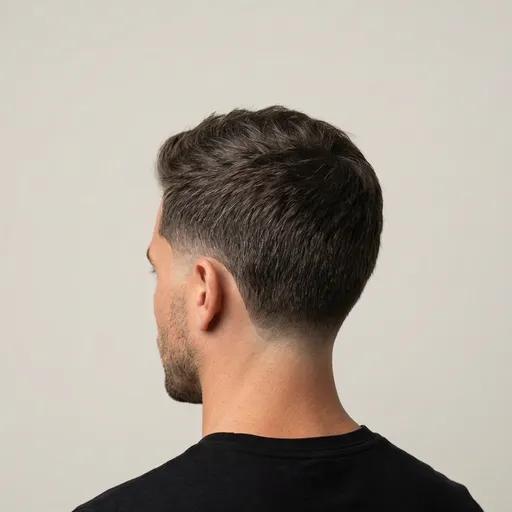
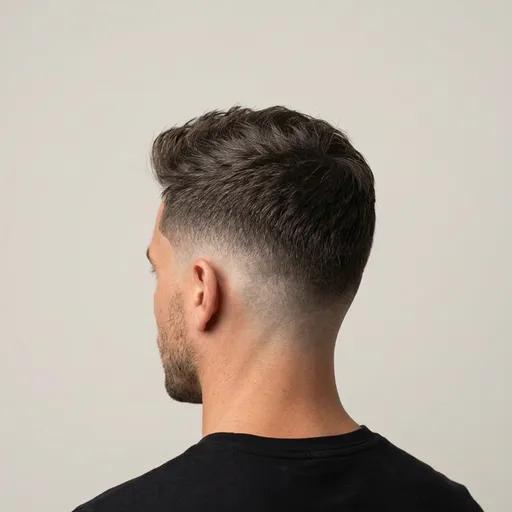
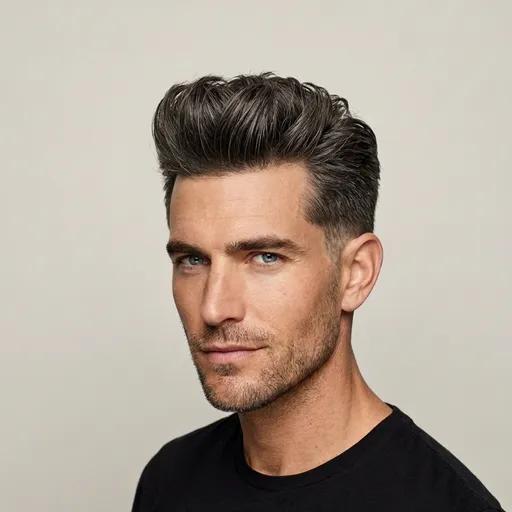


Match Your Face, Don't Fight It
Three common starting points. Balance, don't override.
Round or fuller face
Height at the crown and slimmer sides balance the width. Avoid anything that adds bulk at the sides.
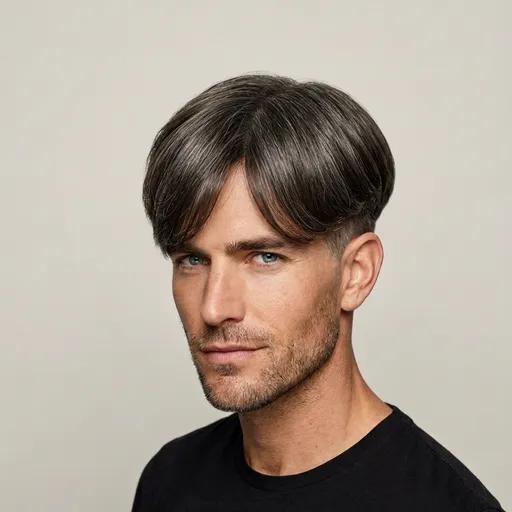

Strong or square jaw
Most cuts work with a defined jaw rather than against it. Lean into the definition instead of trying to soften it.
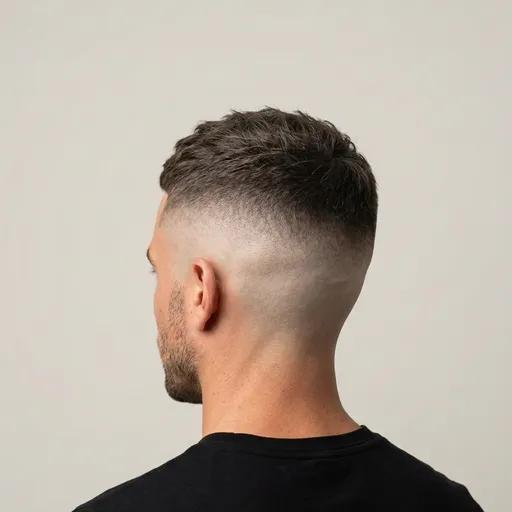

Long or narrow face
Width and a fringe or forward-brushed top balance the length. Too much height on top exaggerates it.


Not sure which one is actually you? The face shape detector reads it from a selfie, and the men's haircut guide covers every shape in full.
Match Your Product to Your Texture
The B-tier move, made specific. Wrong product for your hair type undoes a chunk of what the right cut just bought you.
| Your texture | Reach for | Skip |
|---|---|---|
| Straight, fine | A light pomade or clay, small amount | Heavy waxes, they weigh it flat |
| Straight to wavy, thick | Matte clay or paste for hold without shine | High-shine gels, they read greasy by noon |
| Curly to coily | Curl cream or a light gel, applied while wet | Brushing it out dry, it breaks the curl pattern |
| Textured crops, messy styles | Sea salt spray or a texture powder | Slick pomades, they kill the texture the cut relies on |
Skip the tier list and get your exact matches. Upload one selfie to the AI haircut finder and get your 4 best matches in about 30 seconds — free.
Frequently Asked Questions
What does hairmaxxing mean?
Choosing and maintaining a haircut that actually works with your face shape and hair type, instead of copying whatever's trending. It's one grooming decision, done properly, on a schedule. No supplements, no procedures, no personality overhaul, just the cut.
Is hairmaxxing the same as looksmaxxing?
They overlap, but they're not the same thing. Looksmaxxing as a broader culture gets dark fast: bone structure obsession, filler talk, contempt for anything average. Hairmaxxing, as covered here, is the one corner of it that's just good grooming advice, the right cut for your actual face and hair, nothing surgical, and it doesn't require deciding your face is a problem first.
What's the single best hairmaxxing move?
The face-shape-matched haircut itself, kept on a consistent trim schedule. It's S-tier because it's the only move with zero cost beyond a normal cut and zero recovery time, and it shows up in every photo you're in from tomorrow morning onward. Everything else on this page is a smaller multiplier on top of that one decision.
Does a haircut really change how your face looks?
Yes, measurably, through three effects: added height reads as more balanced on a rounder face, added width or a fringe softens a longer face, and where the weight sits changes how strong a jawline reads. It's not a transformation, it's a proportion adjustment, the same logic a stylist uses, just made explicit.
How often should I get a trim if I'm hairmaxxing?
Most of the short, defined cuts this guide leans on need a trim every 3 to 4 weeks to hold their shape cleanly. Push past 6 weeks and you're not maintaining the cut anymore, you're growing out of it, and the face-shape math the cut was doing for you quietly stops working.
Do I need a beard for hairmaxxing to work?
No. Plenty of the cuts on this page have nothing to do with facial hair. If you do have a beard, a handful of cuts are specifically built to line up with it, worth mentioning to your barber, but it's a bonus detail, not a requirement.
What's the difference between hairmaxxing and just getting a normal haircut?
Mostly intent. A normal haircut is often whatever the last barber suggested, or the same cut you've had since you were sixteen. Hairmaxxing is the same haircut, chosen on purpose: matched to your specific face shape and hair type, kept on a real schedule, described precisely instead of vaguely. The cut itself isn't exotic. The process behind picking it is what's different.
Is hairmaxxing just a trend that'll fade?
The word might not last. The underlying idea, that a haircut chosen for your actual face and hair works better than a random one, isn't a trend, it's just correct, and stylists have worked this way for decades. Learn the logic (face shape, texture, maintenance) rather than memorizing the current buzzword, and it stays useful long after the term itself falls out of use.
Step One Is Free
See the cut on your own face before you sit in a chair for it. That's the protocol, starting now.