

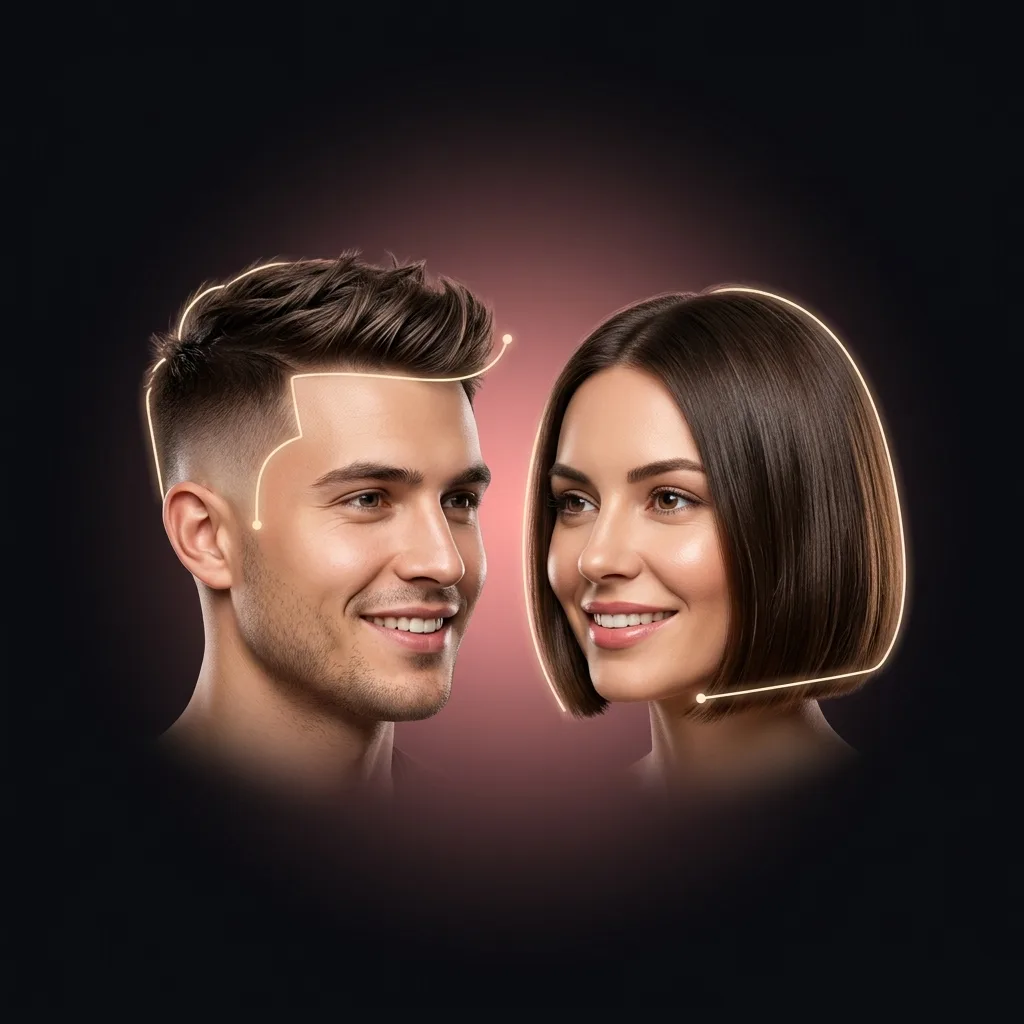
What Haircut Is This? Identify Any Cut By Sight
Almost every haircut name describes three things you can see in any photo: what the sides are doing, what's happening on top, and one standout feature like a fringe or a part. Answer those and you have a family. The glossary below turns the family into a name.
The Three-Question Method
This is the actual logic behind most haircut names. Work through it in order and you'll land on a family before you reach the glossary.
1. What are the sides doing?
Shaved to bare skin at some point (a fade), short but never bare (a taper, crew, or classic cut), or untouched past the ears (a medium or long style).
2. What’s happening on top?
Cropped short with texture and movement (a crop, quiff, or pompadour family), one clean length with no layers (a blunt bob or sleek style), heavy layers built for volume (a shag or wolf cut), or braided, twisted, and coiled (a protective style).
3. What’s the one standout feature?
A fringe or bangs, and which kind (blunt, curtain, wispy, side-swept), a defined part (center, side, none), or a specific detail like a shaved design or dramatic asymmetry.
The Men's Glossary
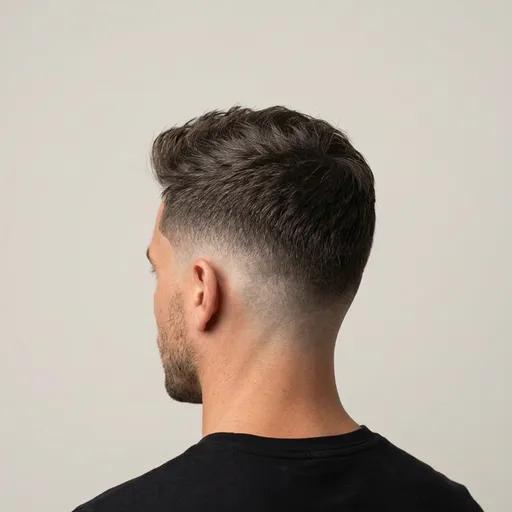
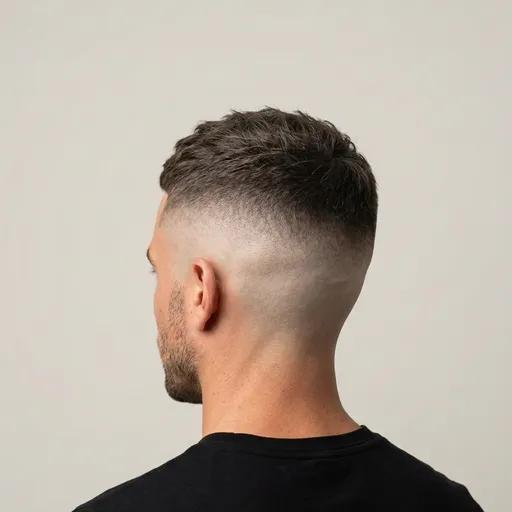
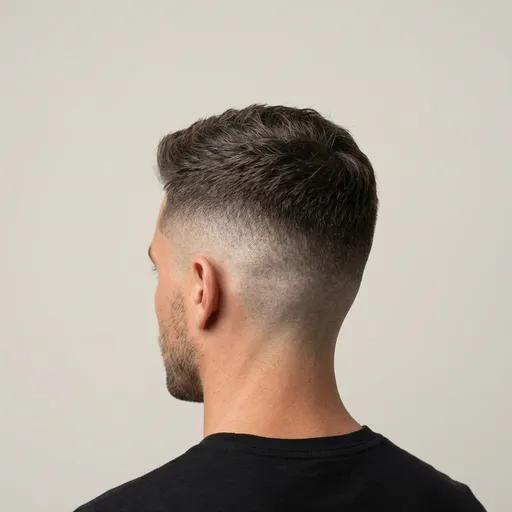
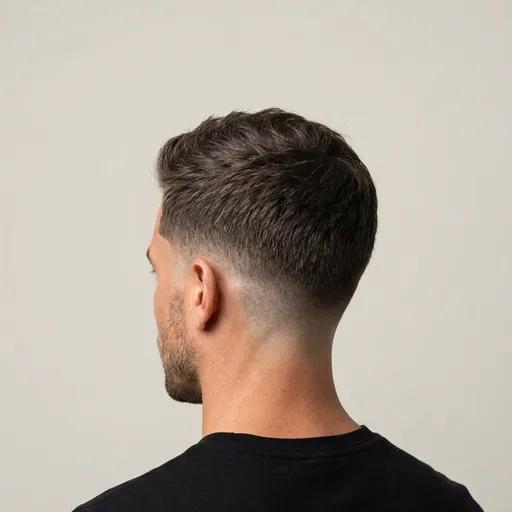
Classic & Clean
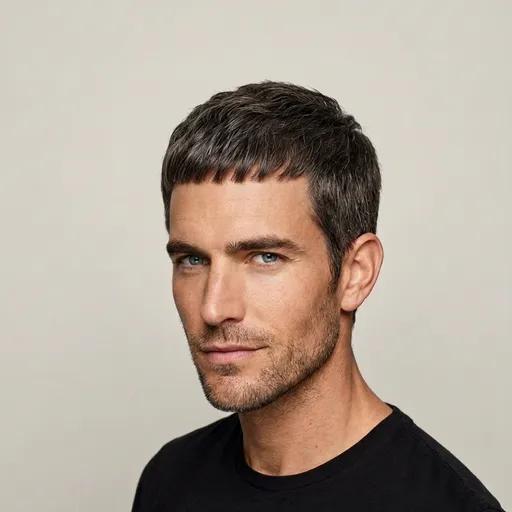
Short and even all over, no shaved sides, no fade blending. A visible part or a short forward fringe is usually the giveaway detail.
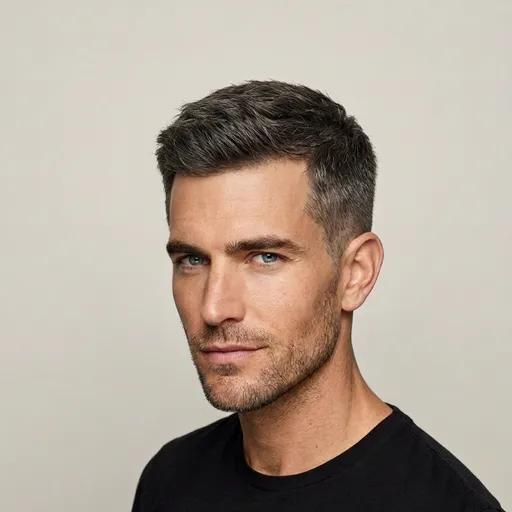
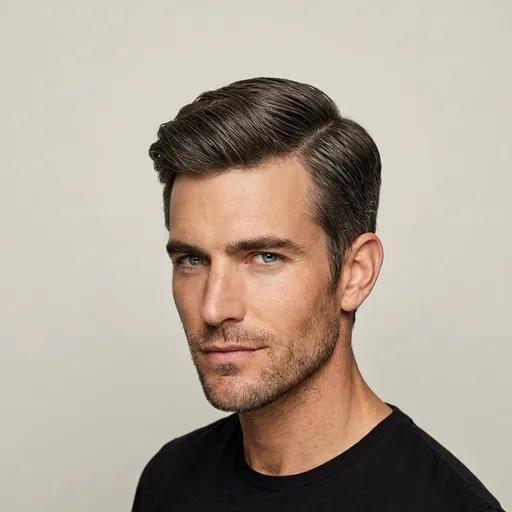
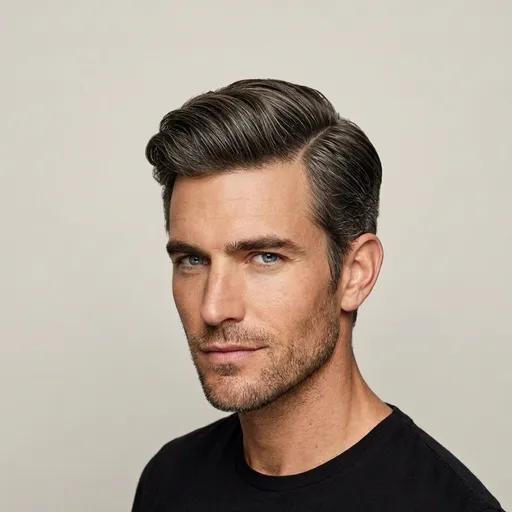
Textured & Modern
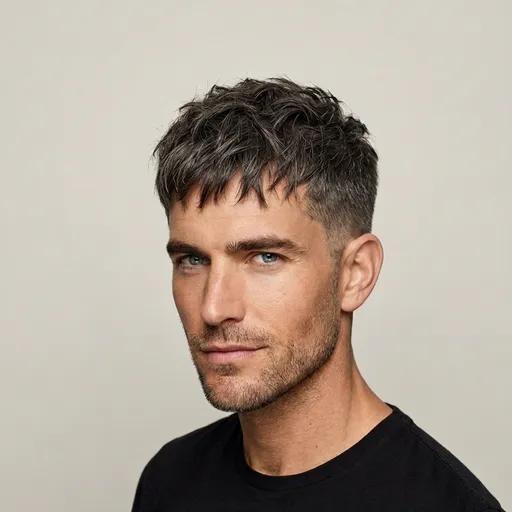
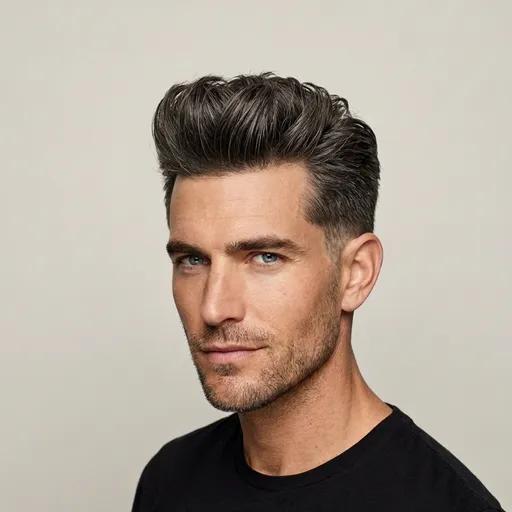
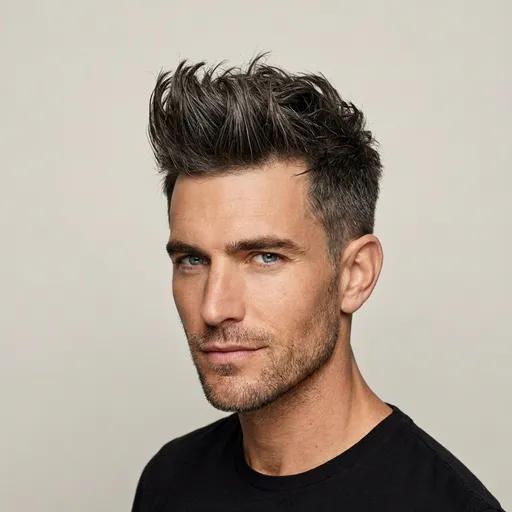
Choppy, point-cut top with visible movement or height. A quiff sweeps up and back, a pompadour builds bigger volume, a crop stays low and messy.
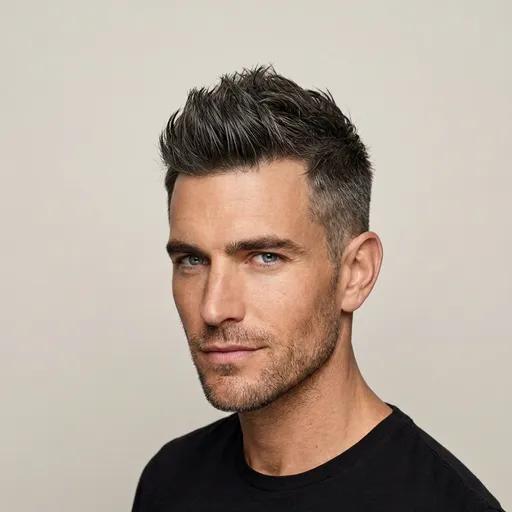
Medium & Long
Hair reaching past the ears or collar. Center-parted and swept both ways is curtain hair, grown out and pushed straight back with no part is a bro flow.
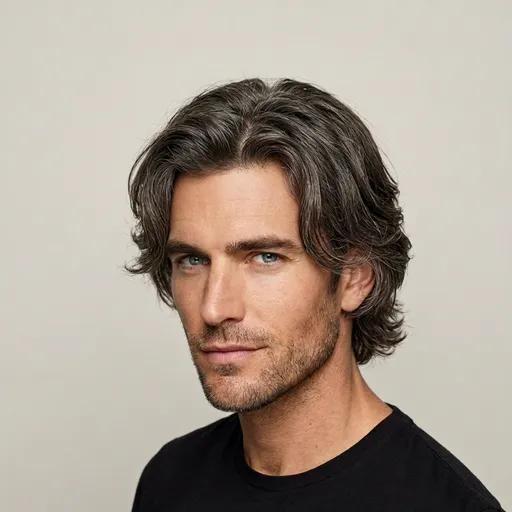
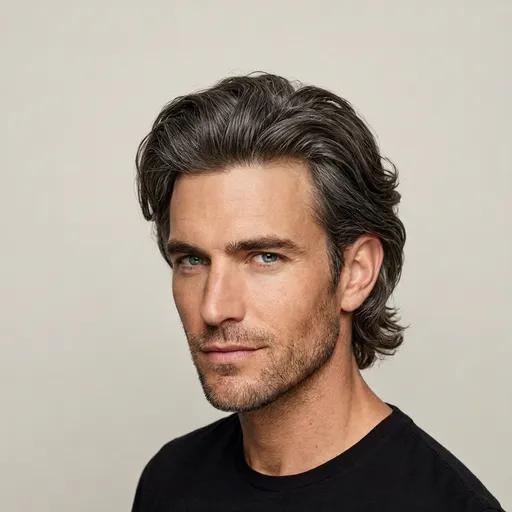
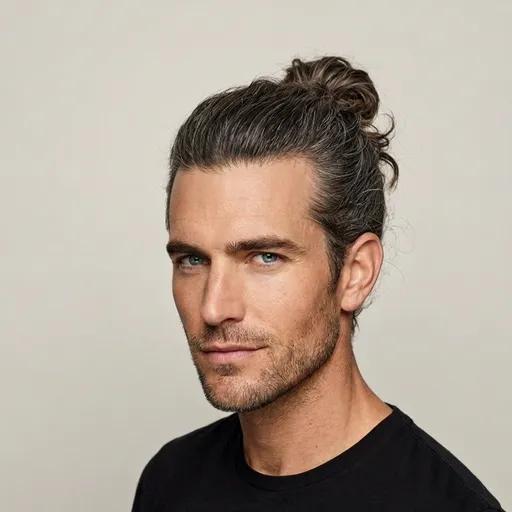
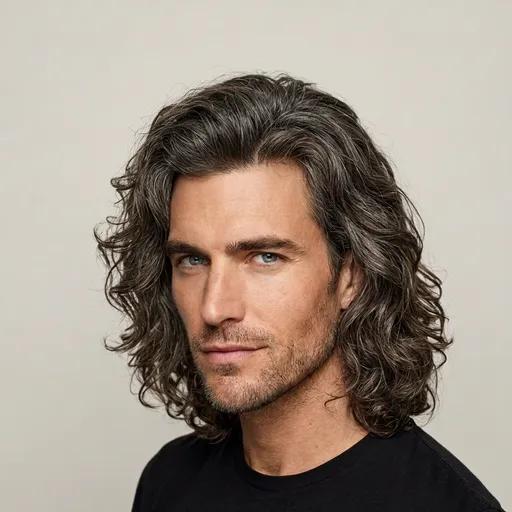
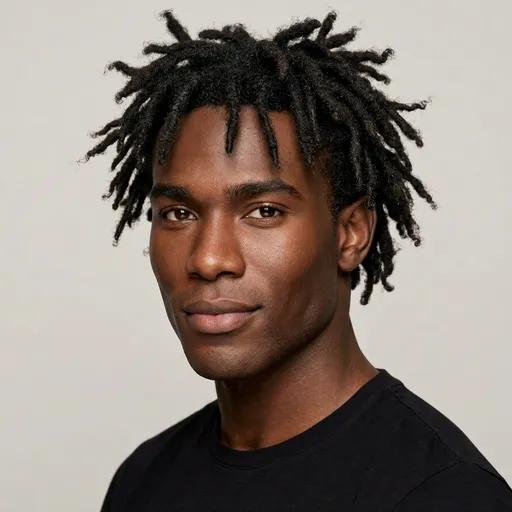
Textured & Protective
Natural curl or coil worn as the style itself, or braided and twisted deliberately. Uniform tight waves across the whole head is its own distinct look.
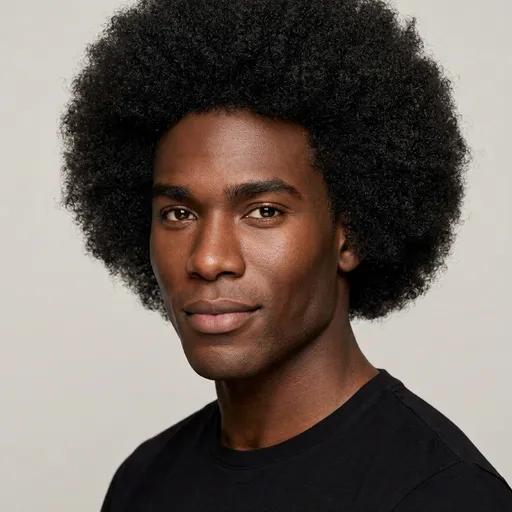
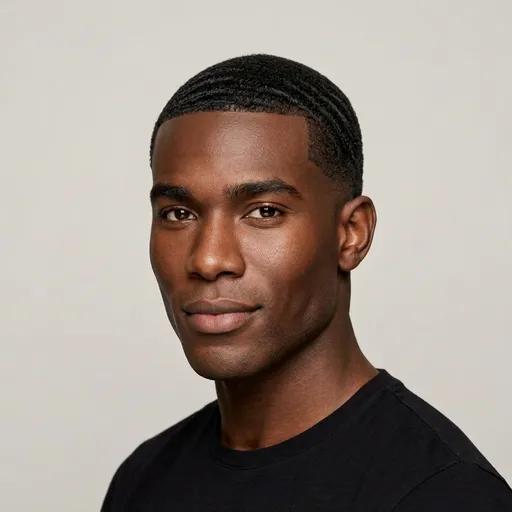
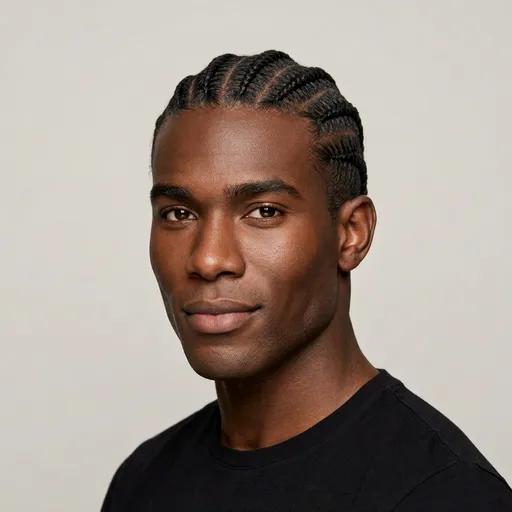
The Women's Glossary
Bobs
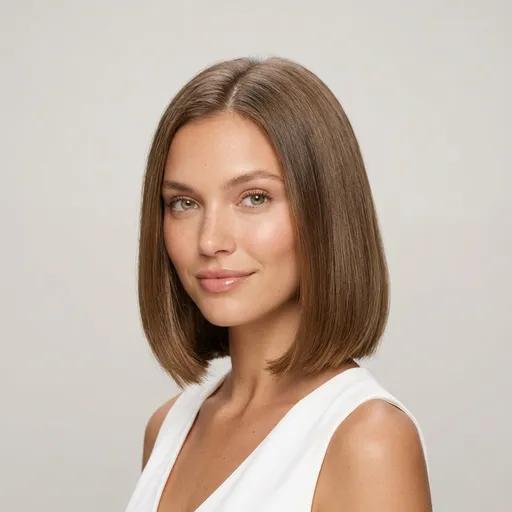
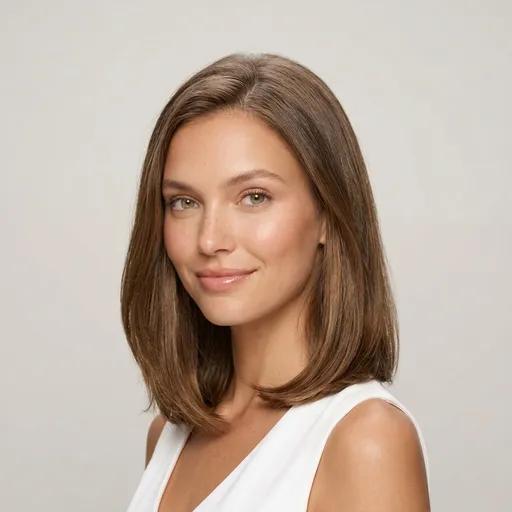
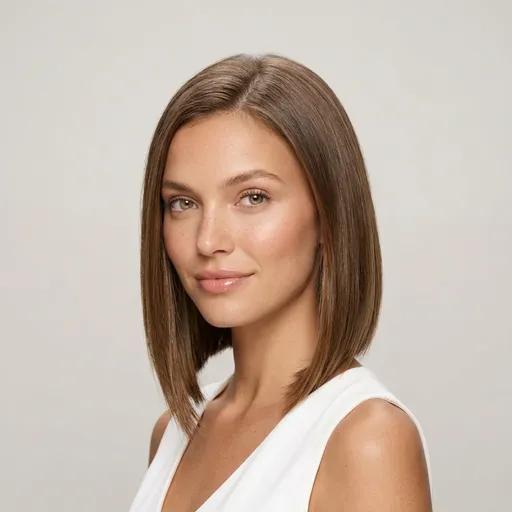
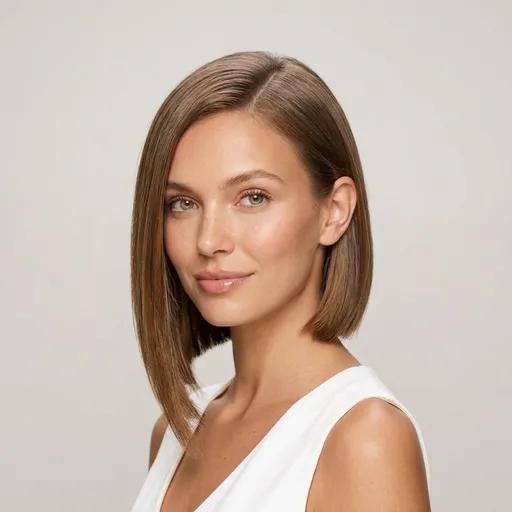
Cut in one relatively even line at or above the shoulder. Shorter in back and longer in front is an A-line, one side dramatically shorter than the other is asymmetrical.
Pixie & Short
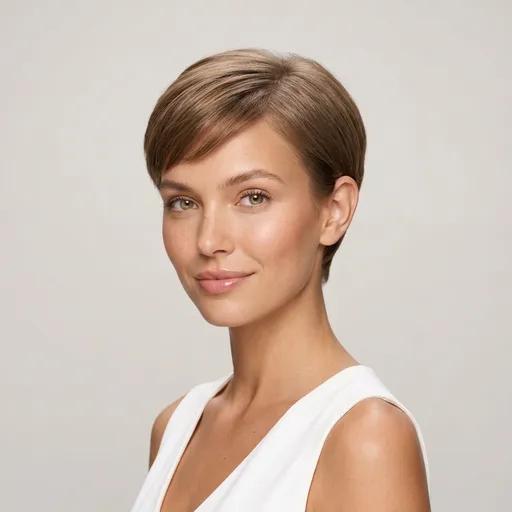
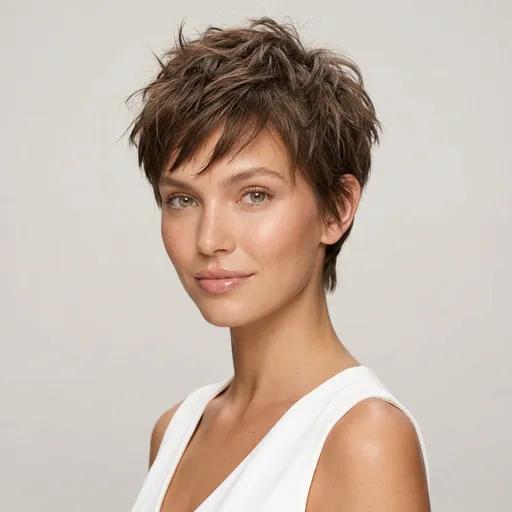
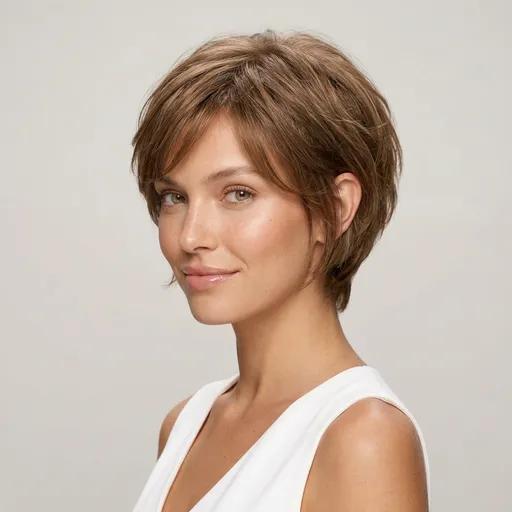
Cropped above the ears. A pixie grown out slightly, between a pixie and a bob, is a bixie. A shaved section visible underneath longer top hair is an undercut.
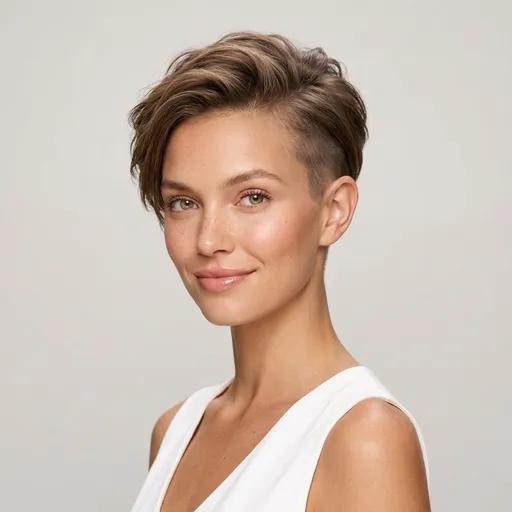
Layered & Textured
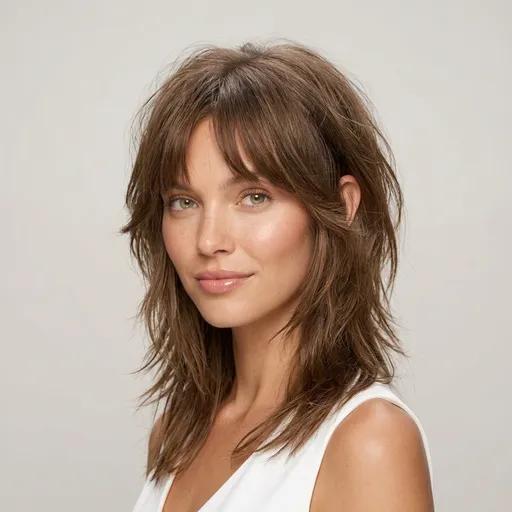
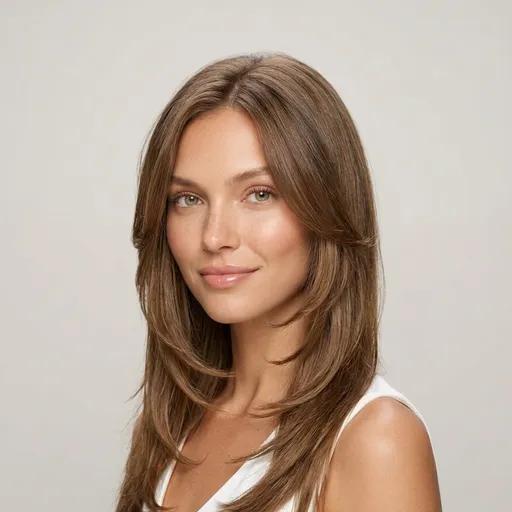
Heavy internal layering for movement instead of one blunt line. Choppy layers with volume at the crown and a mullet-ish energy is a wolf cut.
Bangs
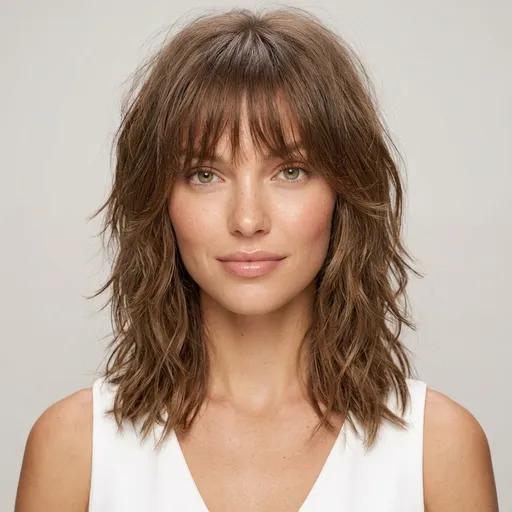
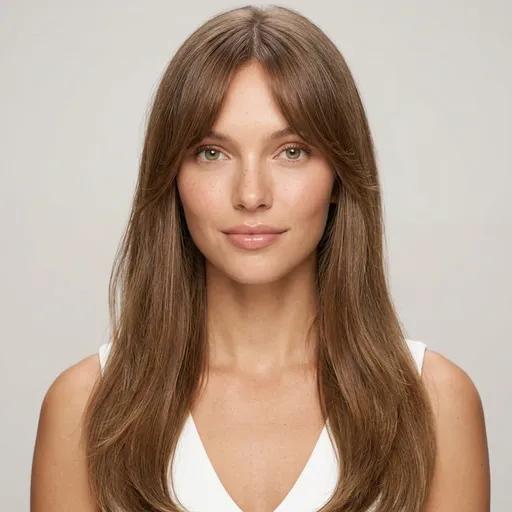
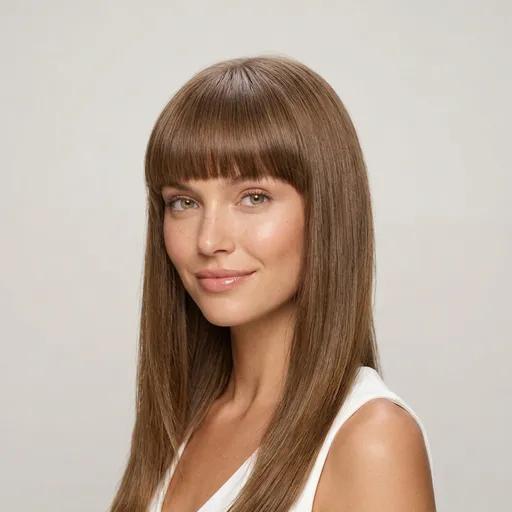
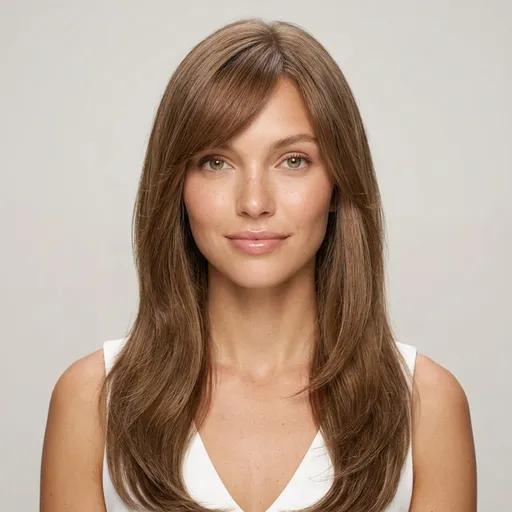
Defined by the fringe treatment specifically. Thin and feathered with visible gaps is wispy, one straight heavy line is blunt, angled off to one side is side-swept.
Long Hair & Waves
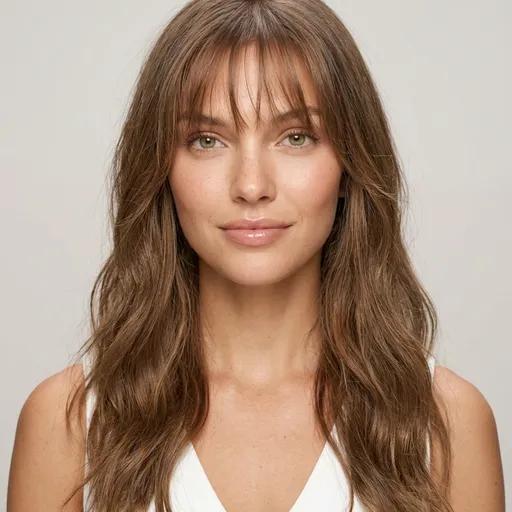
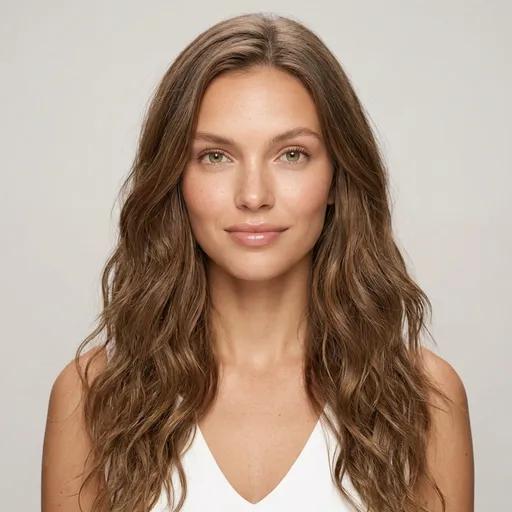
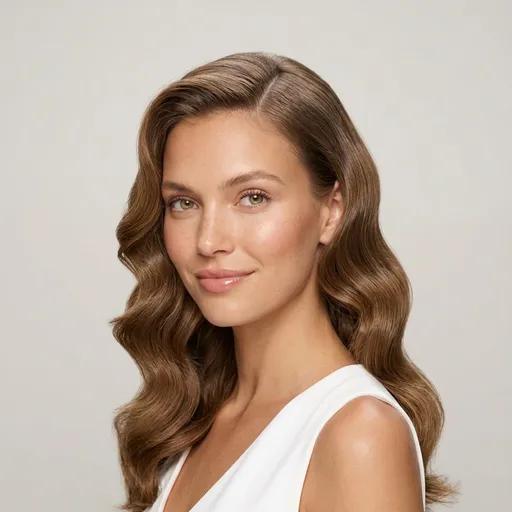
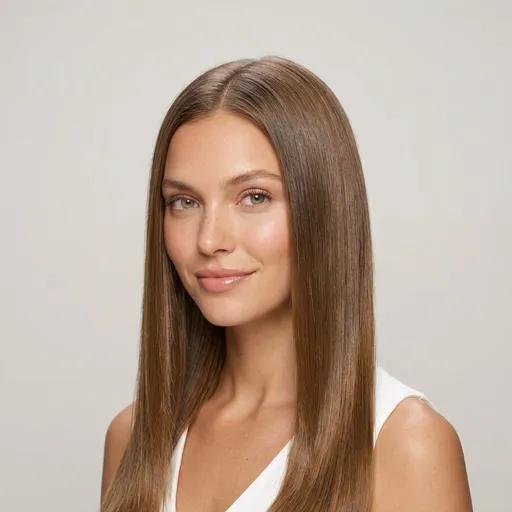
Length past the shoulders as a given, texture is the differentiator. Loose and undone is beach waves, defined and symmetric is Hollywood waves, smoothed flat is sleek straight.
Protective & Textured
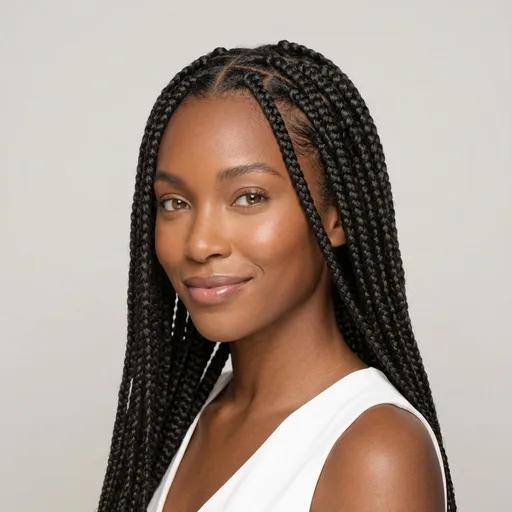
Braided, twisted, or coiled styling. Individual sections hanging loose are box braids, braided flat against the scalp in rows are cornrows, small coiled buns are Bantu knots.
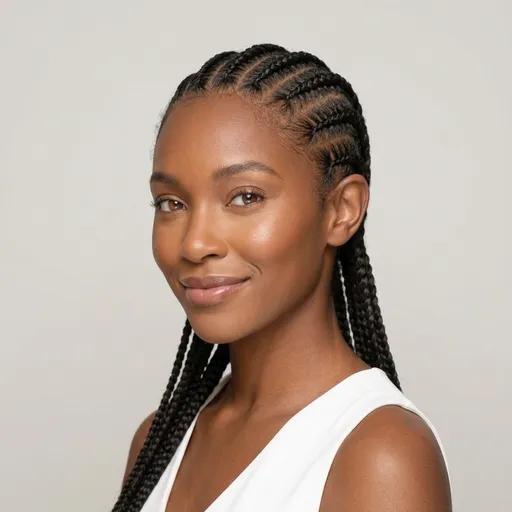
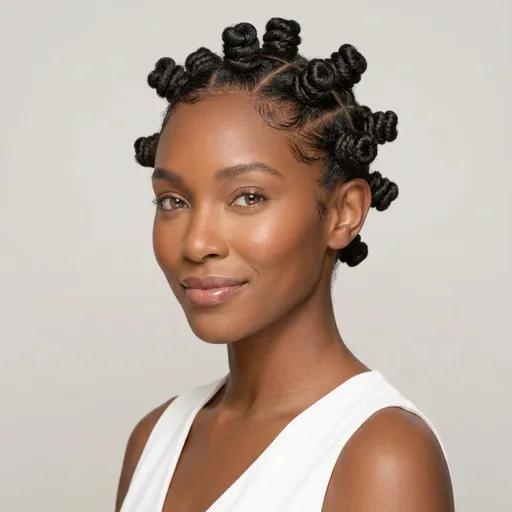
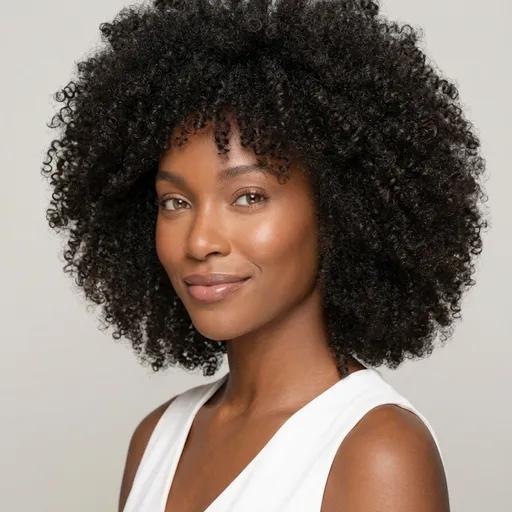
This covers the families people actually search for. The complete set, every length and texture, lives in the full catalog.
Commonly Confused Pairs
Most "what haircut is this" searches aren't really about an unfamiliar cut. They're about two similar-looking cuts with different names.
Fade vs. Taper
A fade goes all the way to skin somewhere on the head. A taper never does, it just gets gradually shorter and keeps at least a little length throughout.
Full fade vs taper breakdownBob vs. Lob
A lob is a bob that stopped above the shoulder instead of at the jaw, a long bob. Everything shorter than shoulder-length is just called a bob.
Full bob vs lob breakdownPixie vs. Bixie vs. Bob
A pixie stays above the ears. A bixie is the exact midpoint, grown past pixie length but not yet a bob. Past the jaw, it's a bob.
Full pixie vs bob breakdownCurtain Bangs vs. Blunt Fringe
Curtain bangs part down the center and sweep to both sides, framing the face like curtains on a window. A blunt fringe is one straight line across the forehead, no part.
Wolf Cut vs. Shag vs. Mullet
A shag is heavy layers throughout for volume. A wolf cut blends a mullet's shorter-on-top, longer-in-back energy into those layers. A true mullet keeps a hard, undisguised line between the two lengths.
Box Braids vs. Cornrows vs. Locs
Box braids hang loose from individual sections. Cornrows are braided flat against the scalp in rows. Locs are matted, rope-like strands, not braided at all, a different hair structure entirely.
Found the name, but not sure it suits you? Upload one selfie to the find the best haircut for your face with AI and get your 4 best matches in about 30 seconds — free.
Frequently Asked Questions
Is there an app that identifies a haircut from a photo?
Not as an automatic photo scan, not yet. What works today: match the photo against the glossary on this page using the sides, top, and fringe method. Most cuts identify in under a minute that way, because almost every haircut name describes exactly those three things. Once you have a name, or even a close guess, upload your own selfie and preview that style on your actual face, which tells you more than the name ever could.
What's the actual difference between a fade and a taper?
A fade reaches skin, bare scalp, at some point on the sides or back. A taper never does. It gets shorter gradually as it goes down but always keeps a little length. Every fade name (low, mid, high, skin) describes where that transition to skin happens. If someone says 'taper fade', they mean a fade with a longer, softer taper zone before it hits skin, not a contradiction.
How do I describe my haircut to a new stylist if I don't know the name?
Skip the name and describe the three things that actually matter: what the sides are doing (skin, short, or untouched), what the top looks like (cropped, one length, or layered), and the one standout detail (a fringe, a part, a shaved design). A photo does this instantly, which is why bringing one, ideally a render of the exact result you want, beats any verbal description a stylist has to guess from.
What is a bixie, exactly?
A bixie is the specific length between a pixie and a bob, longer than a classic pixie but not long enough to be called a bob. It usually keeps a pixie's texture and movement while having enough length to tuck behind the ears. It's one of the most commonly mis-searched cuts because people can see it's short but don't know it has its own name.
Is a wolf cut the same thing as a shag?
Related but not identical. A shag is heavy, textured layering built for volume and movement, a style family going back decades. A wolf cut is a specific modern take on it that blends in a mullet's shorter-on-top, longer-underneath structure without cutting a hard line between the two, which is what makes it read as messier and edgier than a classic shag.
My haircut doesn't match anything in the glossary exactly. What do I do?
That's normal, most real heads are a grown-out or hybrid version of a named cut, not a fresh salon photo. Find the closest family using the sides and top method, then describe how yours differs (grown out three weeks, more layers than shown, etc.). That combination, a name plus a specific deviation, is exactly what a stylist needs to reproduce or fix it.
You Know the Name. See It On You Next.
A name tells you what to ask for. A render tells you whether to ask for it at all.