


Hair Type Test: See Your Curl Pattern on a Photo
Upload one selfie and our AI reads your curl family, straight, wavy, curly, or coily, as part of your full hair analysis. A guided chart below helps you pin the exact subtype, then you see cuts built for your actual pattern on your own face, not a model with different hair than yours.
What "Hair Type" Actually Means
Hair type is a description of your natural curl pattern, not a grade. The standard system (developed by stylist Andre Walker) sorts hair into four families, straight, wavy, curly, and coily, numbered 1 through 4. Each family splits into subtypes A, B, and C by how tight the pattern is, so a full classification looks like "3B" or "4A". It matters for haircuts because curl pattern controls shrinkage: how much shorter your hair looks dry than it measures wet.
How This Tool Reads Your Type
Our AI reliably detects the family, straight, wavy, curly, or coily, from one clear selfie, and shows it in your hair analysis alongside your face shape and matched cuts. What it doesn't do is guess your exact subtype letter from that single photo: shrinkage and curl definition shift with humidity, product, and how the hair was styled that day, so a photo-only letter would be a guess dressed up as data. That's why the chart below exists, a short honest self-check to pin the letter once you know your family.
Type Isn't Porosity, and It Isn't Density Either
Type
The shape of the strand: straight, wavy, curly, or coily. This is what this page and your analysis measure.
Porosity
How well your hair absorbs and holds moisture. It affects product choice and drying time, not which cut suits the shape.
Density
How many strands per square inch on your scalp. Two people can share a curl type and have very different density, which is why the same cut can look fuller on one than the other.
People often blend these three into one vague idea of "hair type," then wonder why haircut advice built around curl pattern doesn't account for how thick or thin their hair actually is. It doesn't need to: the cut responds to shape, styling routine responds to porosity, and length responds to density. Keeping them separate is what makes the recommendation useful instead of generic.
Pin Your Subtype: A Guided Self-Check
Once you know your family from the analysis, use shrinkage (how much shorter it looks dry) and strand shape to place yourself within it. A and B sit toward the looser end, C toward the tightest.
| Family | Codes | Shrinkage | Strand shape | Sheen |
|---|---|---|---|---|
| Straight (Type 1) | 1A-1C | None | Falls flat, no bend | High, reflects light evenly |
| Wavy (Type 2) | 2A-2C | Minimal | S-shaped bends, loose | Medium, some frizz at 2C |
| Curly (Type 3) | 3A-3C | 30-50% | Defined spirals, springs back when pulled | Low to medium, depends on definition |
| Coily (Type 4) | 4A-4C | Up to 75% | Tight Z-pattern or coils | Low, matte unless moisturized |
Cuts Matched to Each Type
Straight
The widest access in the catalog. Sleek bobs, side parts, and structured cuts hold their line without any texture fighting the shape. Example: Classic Side Part.
Wavy
95 styles in the catalog list a wavy pattern among their best fit, cuts that let the natural bend show instead of forcing it flat. Example: Shaggy Bob.
Curly
35 styles are built around curl definition and shrinkage rather than fighting it, cut dry-length aware, not wet-length guessed. Example: Curly Bob.
Coily
37 styles, including protective styles and afro-specific cuts, are typed specifically for coily and afro-textured hair. Example: TWA (Teeny Weeny Afro).
Best Cuts for Curly and Coily Hair
These are the styles with the most catalog specialization, cut and styled around curl clusters rather than flat length lines.
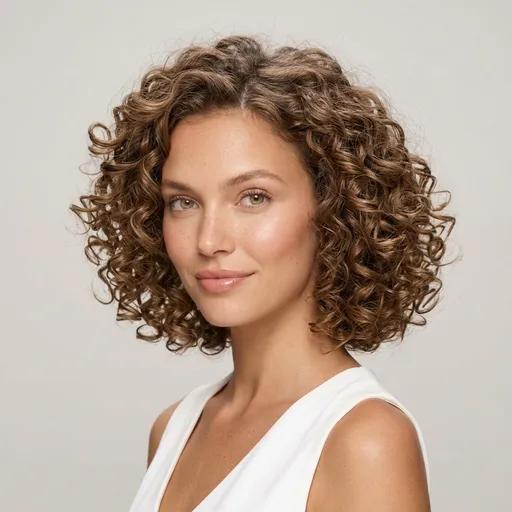
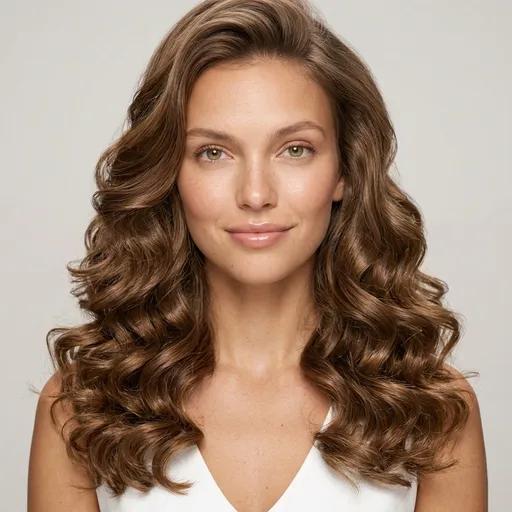
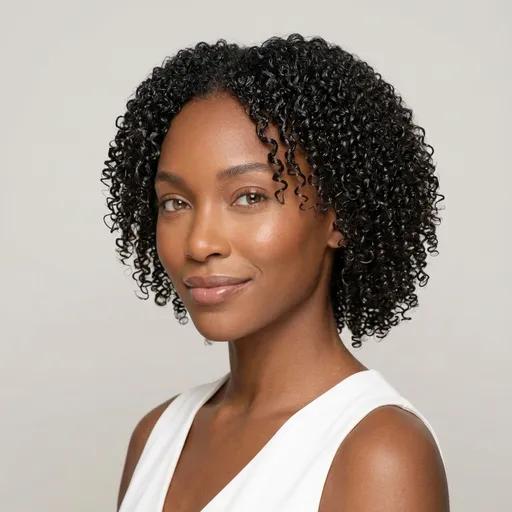
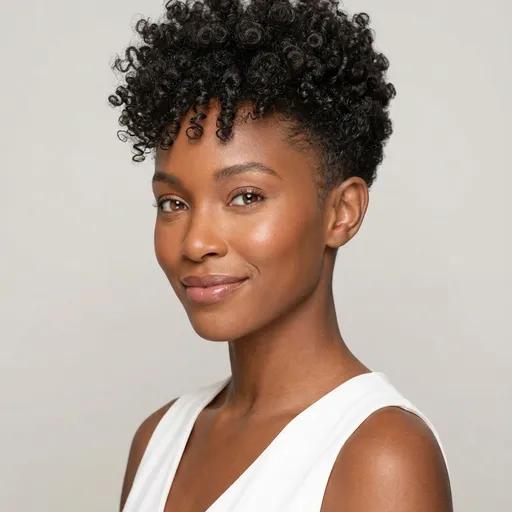
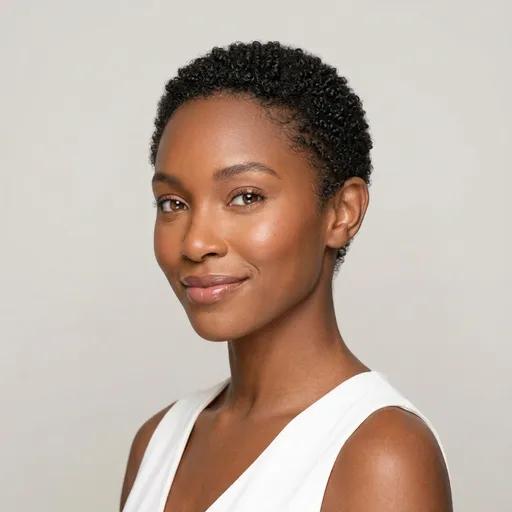
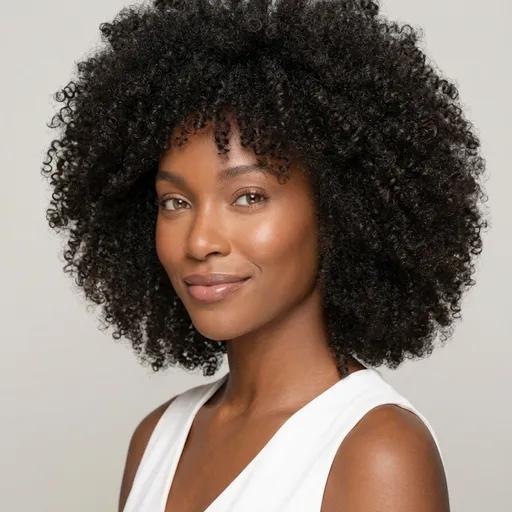
The deeper curly-specific guide, with styling routines and more length options, is at hairstyles for curly hair.
Men's Curl Types
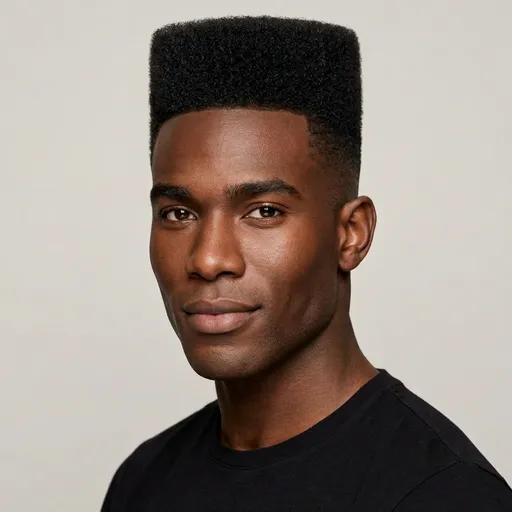
Curl classification doesn't change by gender, 1A through 4C describes anyone's hair, but the styling options do. Men's curly and coily catalog leans toward fades, afros, twists, and locs, cuts built for shrinkage and edge definition rather than length.
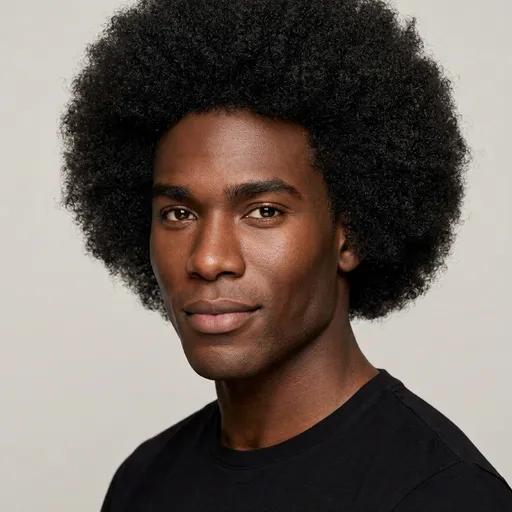
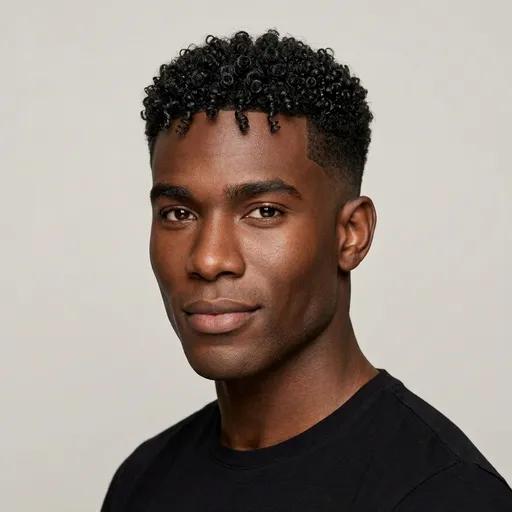
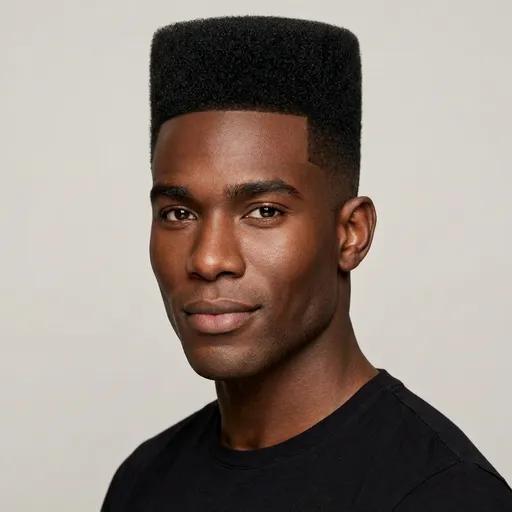
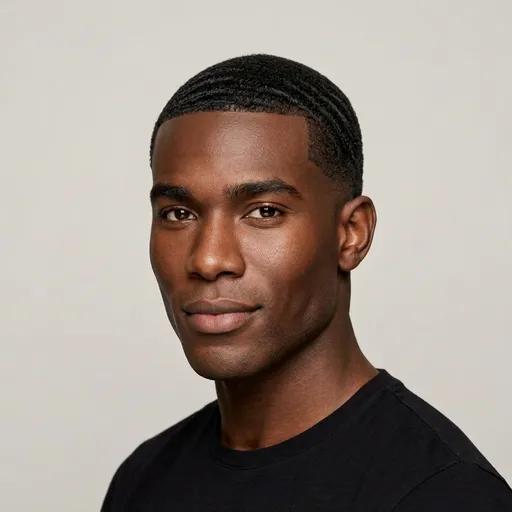
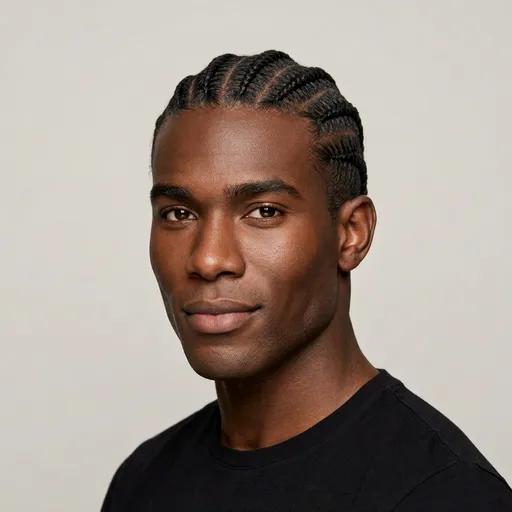

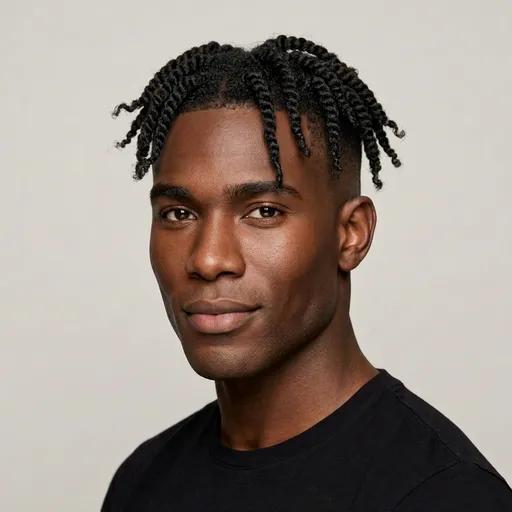
Know your hair type but still deciding on the cut itself? A face-shape analysis narrows it to your 4 best matches. Upload one selfie to the find the best haircut for your face with AI and get your 4 best matches in about 30 seconds — free.
Frequently Asked Questions
Is there a free hair type test?
Yes. Upload one selfie to HaircutAI and the same AI analysis that recommends cuts also detects your hair's curl family, straight, wavy, curly, or coily, and shows it in your results. It's part of the standard free analysis, not a separate paid quiz. The guided chart on this page then helps you pin the exact subtype letter, since that level of detail is hard to read from a single photo alone.
What is my hair type based on?
The Andre Walker system classifies hair into four numbered types, straight (1), wavy (2), curly (3), and coily (4), each split into subtypes A, B, and C by how tight the curl or wave pattern is. It's a description of your natural pattern, not a ranking; no type is better or harder to work with than another, just different in how it takes a cut.
Can an AI really tell my hair type from a photo?
It can reliably tell the family, straight, wavy, curly, or coily, from one clear selfie, and that's what our analysis reports. Pinning the exact subtype letter (3B vs 3C, for example) is harder from a single photo because shrinkage and definition shift with humidity and product, so we pair the AI read with the guided self-check chart on this page rather than guess a letter it can't verify.
Why does my curl pattern matter for choosing a haircut?
Because curl shrinks length. A cut that looks chin-length wet on 3B hair can sit closer to the cheekbone once it's dry, so a stylist working from a straight-hair reference photo will misjudge the finished length. Cuts typed for your actual pattern account for that shrinkage in the first place, which is the difference between a haircut that works and one that surprises you the next morning.
What's the best haircut for curly hair?
Cuts built around curl clusters rather than length lines: a curly bob, a wash-and-go shape, or a curly tapered cut all work with shrinkage instead of against it. The full curly-specific guide, with more styles and styling advice, is at hairstyles for curly hair. This page's job is narrower: telling you which pattern you actually have before you pick from that list.
Does hair type differ between men and women?
The curl classification itself doesn't, 1A through 4C describes anyone's hair. What differs is the styling: men's coily and curly options lean toward afros, twists, locs, and fades built for shrinkage and edge definition, while women's options add more length-based curly cuts. Both are covered here, with a dedicated section for men's curl types.
Is hair type the same as hair porosity or density?
No, and mixing them up is the most common mistake. Type is the shape of the strand, porosity is how well it absorbs moisture, and density is how many strands you have per square inch. A haircut recommendation responds to type; a product routine responds to porosity; how short you can realistically go responds to density. Keeping the three separate is what makes the advice specific instead of generic.
Find Your Type, Then See the Cut
One selfie gets you both: your curl family and a matched cut rendered on your own face.