

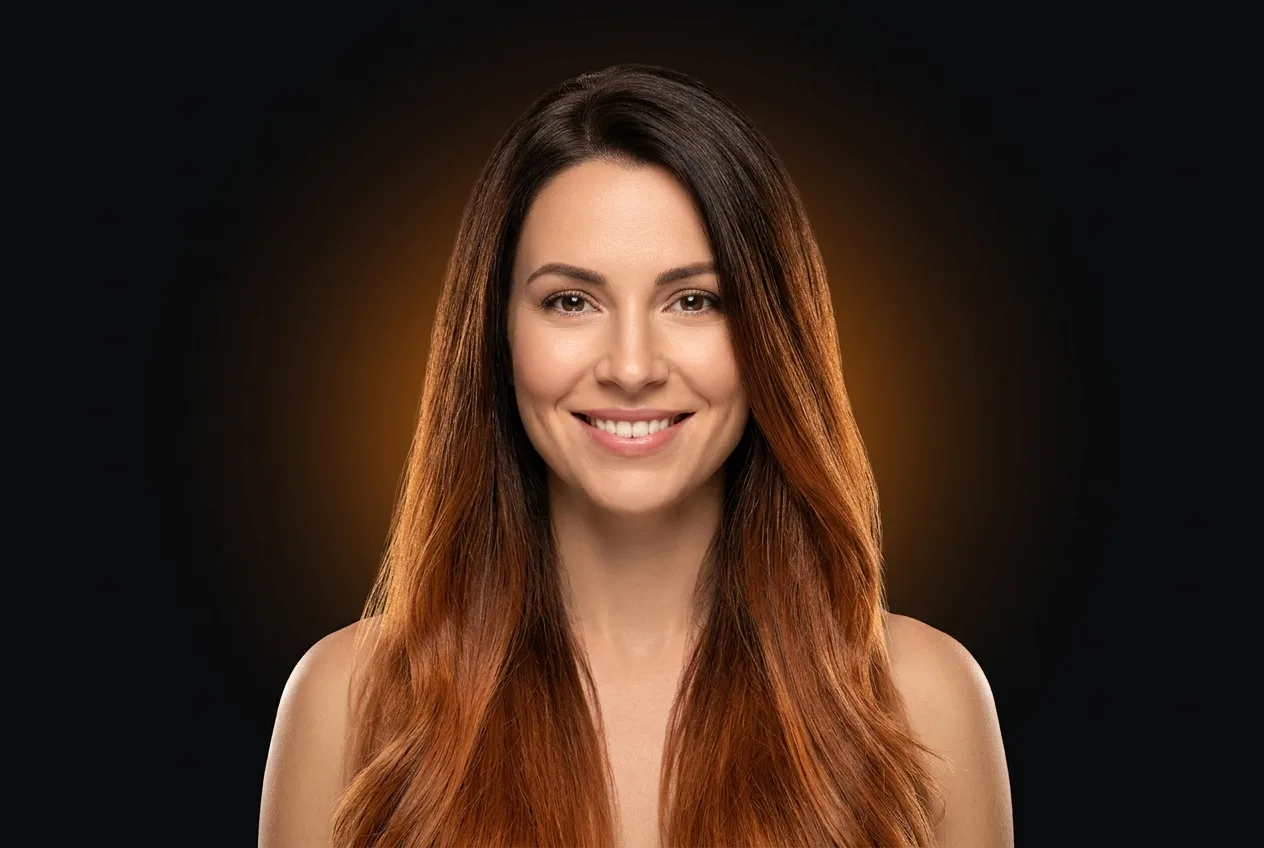
What Hair Color Suits Me? AI Answer on Your Own Photo
The color that actually suits you comes down to your skin's undertone, not what's trending this year. Upload one selfie and get a personalized shade match rendered on your own hair, instead of a guess from a swatch.
Undertone Decides More Than the Shade Does
Two people can ask for the same shade and walk out with different results, because every color reacts to what's underneath it: your skin's undertone.
Warm undertone
Honey, caramel, copper, and warm chocolate tend to sit best.
Cool undertone
Ash tones, platinum, and burgundy-leaning shades tend to sit best.
Neutral undertone
Most families work; contrast against your skin matters more than temperature.

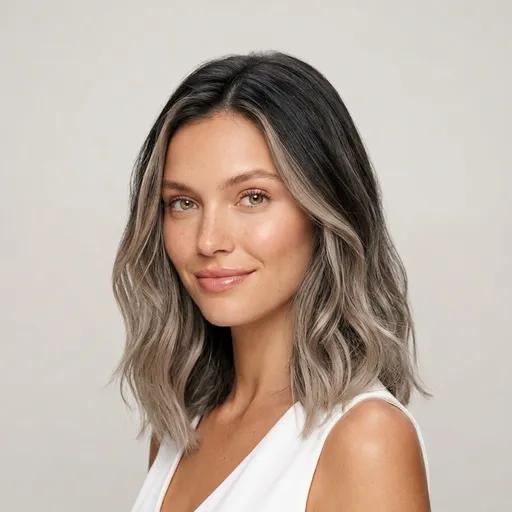

If you have a warm undertone, copper will usually beat ash blonde outright. The one real exception is very deep, cool-black natural hair, where a soft ash lift can still read well, because the depth does the work the warmth usually would.
Two Fast Ways to Check Your Undertone
The vein test
Look at the veins on the inside of your wrist in daylight. Green usually means a warm undertone. Blue or purple usually means cool. Can't tell, or both? You're likely neutral.
The jewelry test
Gold jewelry flattering against your skin points warm. Silver flattering more points cool. Both look equally good? Neutral again.
Both are a starting point, not a verdict. The photo-based match on this page reads your actual skin tone directly instead of asking you to guess at your own wrist.
Diagnose, Then Decide
This page gives a direct answer starting from your own photo. Two other tools cover the rest of the color decision, depending on what you actually want next.
Just want to browse?
No diagnosis, just curiosity. Try any of 48 shades freely on your photo.
Open the color changer →Want the full breakdown?
Undertone, contrast, and value, mapped to one of 12 color seasons.
Read the seasonal analysis →Upload one selfie
Clear, front-facing, daylight if possible.
The AI reads your undertone
Skin tone and base hair color, read from the photo itself.
See your matched shades
Rendered on your own hair, not a swatch.
See It on Your Hair, Not a Swatch
A color ring held against your wrist sits on blank skin, under studio light. Real hair color sits against your actual base color, your actual skin, and your actual lighting, which changes the read completely. That's the gap this closes: the shade rendered on the hair you already have, not a swatch imagining it.
Frequently Asked Questions
What hair color actually suits me?
The shade whose undertone matches yours: warm tones for warm undertones, cool tones for cool undertones, and nearly anything for neutral undertones, adjusted for how much contrast you want against your skin. The fastest way to know for certain is to see it on your own photo rather than guess from a color chart.
Is there an AI that tells you what hair color suits you?
Yes. Upload a selfie and it reads your undertone and skin tone, then matches and renders shades on your actual hair instead of a generic model.
Does this need a photo, or is there a quiz version?
Both exist. This page works straight from a photo. If you'd rather answer questions than upload a selfie, the color analysis quiz covers the same ground in eight questions.
What hair color suits me based on my skin tone specifically?
Undertone matters more than the broad skin tone category, but skin tone still narrows things further. See the dedicated guides for fair, olive, or dark skin, or jump straight to warm or cool undertones if you already know yours.
Can men use a hair color recommender too?
Yes. Undertone works the same way regardless of gender, and the catalog includes shades rendered on both men's and women's hair.
Is a hair color finder the same as a hair color changer?
They answer different questions from the same catalog. A finder, or recommender, tells you which shades to try. A changer lets you try any of them freely, no diagnosis required. Start with whichever question you actually have.
How accurate is an AI hair color recommendation?
Accurate enough to narrow 48 shades down to a handful worth taking seriously, because it starts from your real undertone and base color instead of a generic model. What it can't predict is your specific hair's chemistry, how it will actually lift or take pigment, which is still a conversation for whoever does the coloring.
Know Before You Dye
One photo answers what a color chart can only guess at. Free to start.